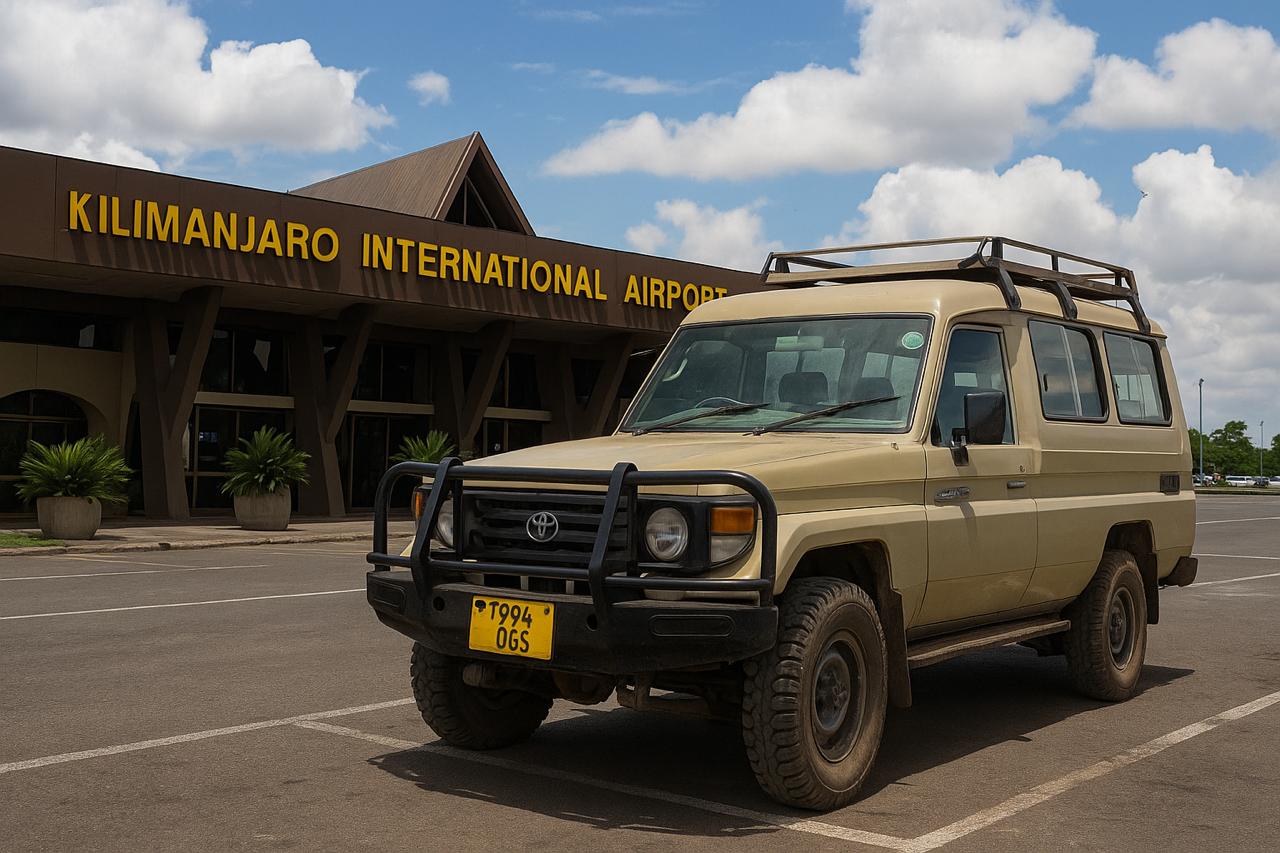
Kilimanjaro Airport Taxi Scams & Safety Tips: What You Need to Know

Landing at Kilimanjaro International Airport (JRO) after a long flight, tired and eager to reach your hotel in Moshi or Arusha, you're immediately approached by multiple taxi drivers offering rides. Some quote $30, others $80, and one insists the "official rate" is $100. Welcome to one of Tanzania's most common tourist challenges: navigating airport taxi services without getting scammed.
The good news? Kilimanjaro Airport taxi scams are largely preventable once you know what to expect. While JRO isn't a dangerous airport, it operates differently than Western airports with regulated taxi ranks and meter systems.
This guide arms you with everything you need to secure safe, fairly-priced transport from Kilimanjaro International Airport, recognize common scams, and arrive at your destination without stress or overpaying.
Understanding the Kilimanjaro Airport Taxi Situation
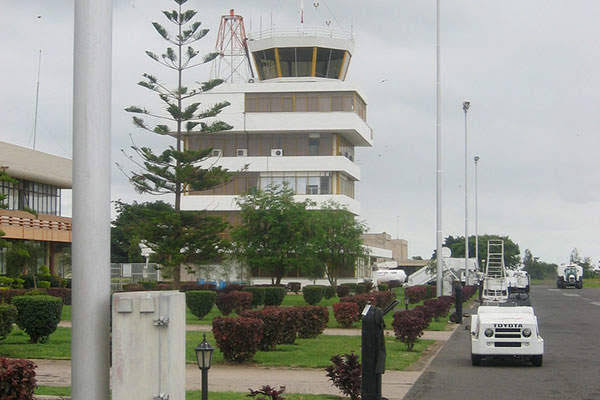
Kilimanjaro International Airport sits in a somewhat isolated location between Moshi (about 45km east) and Arusha (about 50km west), with no Uber, and limited competition among taxi services. This isolation creates the perfect environment for inflated pricing and taxi scams targeting international travelers.
Unlike airports with regulated taxi stands where prices are posted and enforced, JRO operates on a more informal system. Multiple taxi drivers, both legitimate and opportunistic, compete for passengers outside the terminal. Some work for reputable companies, others are independent operators, and a few are outright scammers looking to maximize earnings from confused, jet-lagged tourists.
💡 Key Insight
There's no single "official" taxi rate at Kilimanjaro Airport. Prices vary based on your destination, negotiating ability, time of day, and whether you've pre-arranged transport. However, there ARE fair market ranges that you should know before arriving.
The airport itself is safe, modern, and well-maintained. Security is present, and violent crime against tourists is virtually non-existent. The issue isn't safety in terms of physical harm - it's financial: paying 2-3 times what you should for transport because you don't know the fair price or how the system works.
Common Kilimanjaro Airport Taxi Scams
Understanding how scams work is your first line of defense. Here are the most common tactics used at JRO, so you'll recognize them immediately if they happen to you.
The Price Inflation Scam
⚠ How It Works
A driver quotes you $80-$120 for a journey to Moshi that should cost $30-40, claiming this is the "standard rate" or "official airport price." They exploit your fatigue, unfamiliarity with local costs, and desire to just get to your hotel.
This is the most common scam and the easiest to fall for if you haven't researched prices. Drivers may show you a laminated "official price list" that's actually created by them, not the airport or government. They count on the fact that you're tired from travel, don't know better, and will pay rather than argue.
How to avoid it: Know the fair prices before you land (see our pricing table below). If a driver quotes significantly more, politely decline and find another option. Don't be afraid to walk away.
The Bait-and-Switch
You agree on a price of $35 before departing the airport. Upon arrival at your hotel, the driver suddenly demands $70, claiming the agreed price was per person, or adds mysterious "airport fees," "night charges," or "baggage fees" that were never mentioned initially.
Some drivers exploit currency confusion, agreeing to a price but switching between USD and TZS. You think you agreed on 40,000 (meaning $40 USD), but they claim you agreed to 40,000 TZS (about $16), then demand the "real" fare.
How to avoid it: Clarify everything upfront. Say "40 US dollars total, for both passengers, to [hotel name], including all fees." Get it in writing if possible. If a driver tries to change the price upon arrival, stand firm, document the situation, and call your hotel for support if needed.
The Fake Booking Scam
⚠ How It Works
As you exit the terminal, a driver approaches with a sign bearing your name or your hotel's name, claiming to be your pre-arranged transfer. You haven't actually booked a transfer, but assume your hotel sent one as a courtesy or that there was miscommunication.
The driver seems official, may wear a uniform, and acts professional. You get in the vehicle, only to discover upon arrival that your hotel never sent them, and you're charged an inflated fee. In some cases, the driver may even take you to a different hotel that pays them commission, claiming your original hotel is "full" or "closed for renovation."
How to avoid it: If you've pre-booked transport, your confirmation should include the driver's name, phone number, and vehicle details. Verify these before getting in. If you haven't booked anything, don't assume a driver with a sign is legitimate. Politely say you need to verify with your hotel first.
The Long Route Scheme
Once underway, your driver takes an unnecessarily circuitous route to your destination, padding the journey time and justifying a higher price. They may claim the direct road is closed for construction, there's a security checkpoint to avoid, or they know a "better route."
Some drivers add stops for "mandatory fuel" or to "pick up a permit," which allows them to inflate the final cost or pressure you to pay for petrol.
How to avoid it: Use Google Maps on your phone to track your route in real-time. The route from JRO to Moshi or Arusha is straightforward. If the driver deviates significantly, politely question it. Agree before departure that the price is fixed regardless of route or stops.
The Aggressive Sales Pitch
During the journey, your driver aggressively sells safari packages, tour services, or suggests you change hotels to one that's "better" (and pays them commission). While recommendations are fine, some drivers become pushy, making the ride uncomfortable, or even refuse to take you to your chosen hotel without significant pressure.
How to avoid it: Politely but firmly decline unwanted sales pitches. You can listen out of courtesy, but you're not obligated to book anything. If a driver refuses to take you to your stated destination, this is a serious red flag - insist firmly or call your hotel immediately.
The Currency Scam
Drivers may deliberately create confusion between US Dollars and Tanzanian Shillings. As of February 2026, the exchange rate is approximately 2,500 TZS per USD. A driver might quote "80" without specifying currency, then claim they meant USD when you thought they meant Tanzania shillings.
Alternatively, if you pay in USD, they may offer terrible exchange rates for your change, essentially overcharging you indirectly.
How to avoid it: Always clarify the currency and say it explicitly: "35 US dollars" or "80,000 Tanzanian shillings." Pay in the agreed currency. If paying in USD, bring exact change or small bills to avoid change-making issues.
What You Should Actually Pay: Fair Taxi Prices from JRO
Here are the realistic, fair market prices for Kilimanjaro Airport taxi services as of February 2026. These prices represent what you should pay for a comfortable, safe, reliable transfer with a legitimate operator. They are not the absolute cheapest (that would require complex dala dala connections), but they're fair for direct, private service.
| Destination | Fair Price (USD) | Fair Price (TZS) | Common Scam Price | Journey Time |
|---|---|---|---|---|
| Moshi Town | $40-55 | 95,000-140,000 | $80-120 | 45-60 min |
| Arusha Town | $40-55 | 95,000-140,000 | $90-150 | 50-70 min |
| Arusha (outskirts/lodges) | $55-65 | 140,000-165,000 | $100-180 | 60-90 min |
| Marangu | $60-75 | 155,000-195,000 | $120-200 | 75-90 min |
| Usa River | $30-40 | 75,000-100,000 | $70-100 | 30-40 min |
What Affects the Price
Understanding price factors helps you negotiate fairly and recognize when you're being overcharged:
Time of day: Late night arrivals (after 9 PM) or very early morning departures (before 6 AM) may carry a 20-30% premium. This is reasonable given the inconvenience to drivers.
Pre-booked vs. on-arrival: Pre-arranged transfers through your hotel or a reputable company often cost slightly more ($5-10) but guarantee reliability and eliminate bargaining stress.
Vehicle type: Standard sedan vs. larger SUV/van for groups. Expect to pay 20-30% more for larger vehicles.
High season: During peak safari and climbing season (July-August, January-February), prices may edge toward the higher end of fair ranges due to demand.
Number of passengers: The prices above are typically for the vehicle, not per person. Clarify this upfront to avoid per-person pricing scams.
Smart Traveler Tip
If a driver quotes a price within these fair ranges, don't haggle excessively. Trying to bargain a legitimate $35 fare down to $20 wastes everyone's time and doesn't reflect the actual cost of providing the service. Save your negotiation energy for clearly inflated quotes.
How to Get a Safe, Fair Taxi at Kilimanjaro Airport
Best Option: Pre-Book Your Transfer
The single best way to avoid Kilimanjaro Airport taxi scams is to arrange your transfer before you arrive. This eliminates negotiation, price uncertainty, and the stress of dealing with touts while jet-lagged.
Book through your hotel or tour operator: Most hotels in Moshi and Arusha offer airport pickup services for $30-50. Email them your flight details 24-48 hours before arrival. This is reliable, safe, and usually competitively priced. Your hotel's reputation depends on good service, so they won't send a scammer.
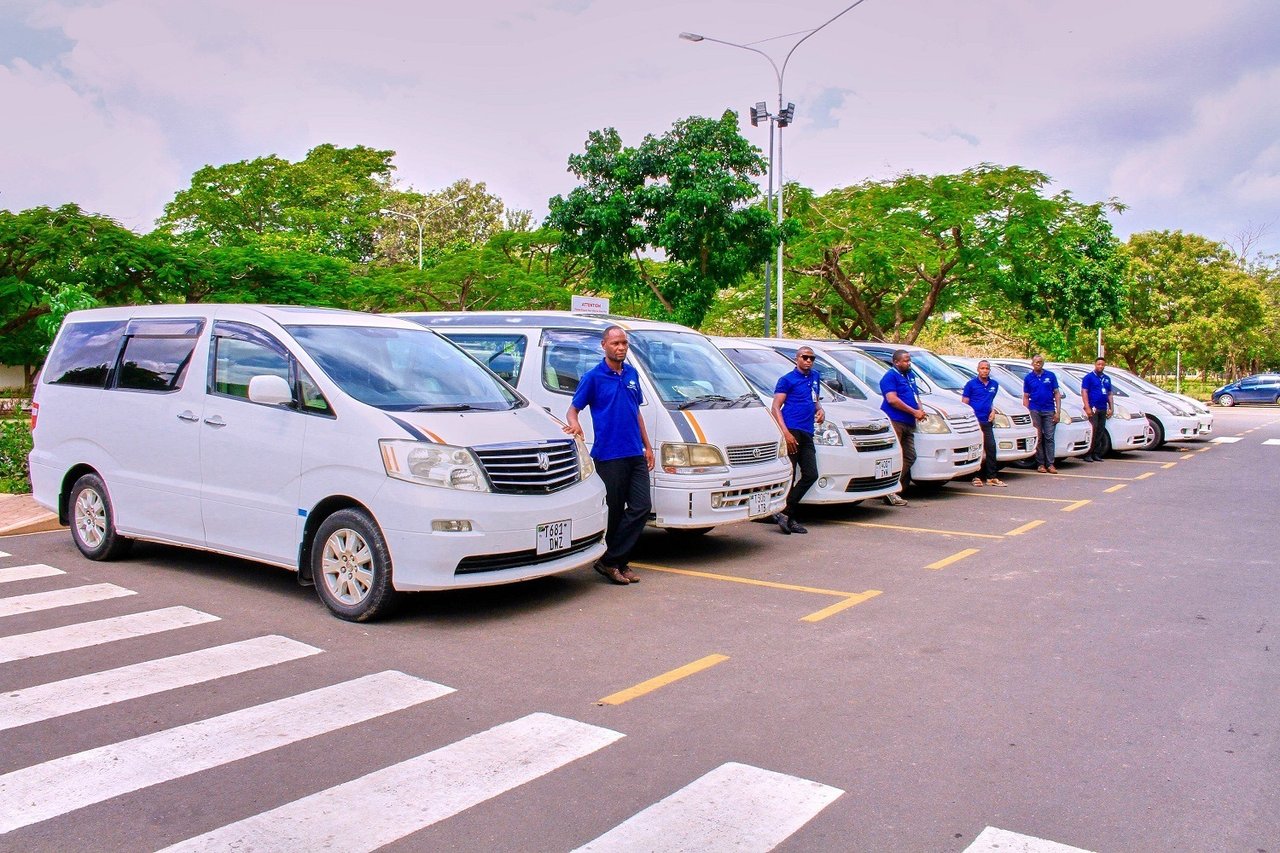
Reputable transfer companies: Several established companies specialize in airport transfers. While I won't list specific companies (as quality can change), look for services with:
Verified online reviews (TripAdvisor, Google)
Professional website and booking system
Clear cancellation policies
Phone/WhatsApp support
What to expect with pre-booking: You'll receive confirmation via email with your driver's name, phone number, and vehicle details. Your driver will meet you inside or just outside the terminal with a sign bearing your name. Verify their identity matches your confirmation before getting in. Payment is often arranged in advance or upon arrival at your hotel.
Pre-Arrival Checklist
Screenshot your booking confirmation (works offline)
Save driver's phone number and hotel contact
Have $30-50 USD in cash (small bills: $10s and $20s)
Download offline map of route to Moshi/Arusha
Know your hotel's full address and location
If You Must Get a Taxi on Arrival
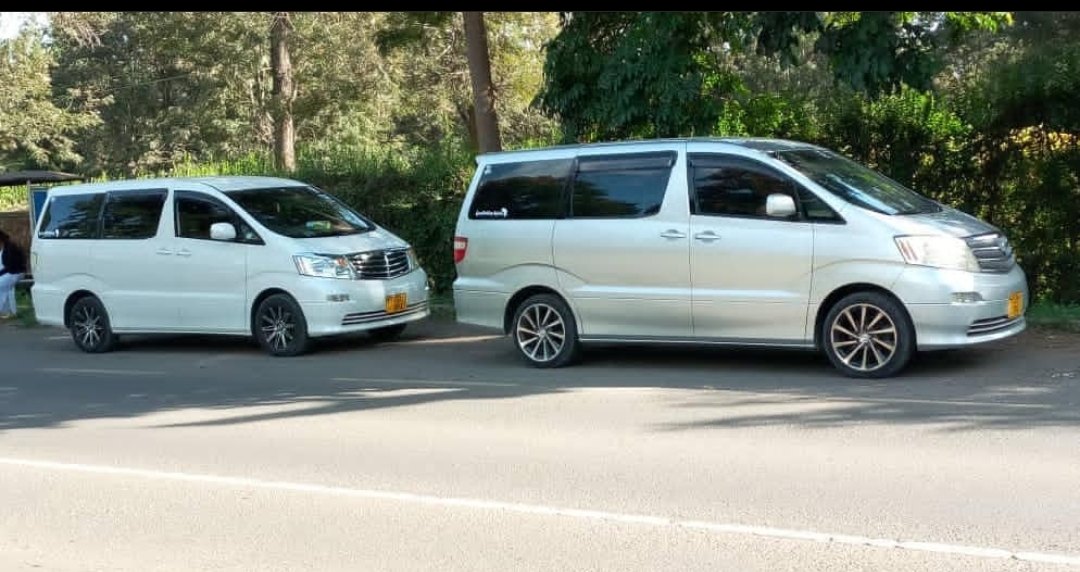
Sometimes plans change, or you prefer flexibility. If you need to arrange a taxi after landing at JRO, follow these steps:
Collect your baggage first: Don't engage with drivers before you have your luggage. Touts who approach you inside the terminal before baggage claim are not official.
Exit the terminal building: Once outside, you'll see multiple taxi drivers. Some airports have an official taxi desk just outside; look for signage or a booth.
If negotiating with independent drivers: Get quotes from 2-3 different drivers. Say: "I'm going to [hotel name] in Moshi. What is your price?" Don't reveal what you're willing to pay initially.
Negotiate clearly: If the first quote is inflated (say, $80 for Moshi), respond: "That's too high. Other travelers pay $45-55 for this route. Can you do $50?" Many drivers will come down to reasonable prices if you demonstrate knowledge.
Confirm everything upfront: Before getting in, state clearly: "$50 US dollars, total price, for both passengers, to [hotel name], no additional fees. Agreed?" Get verbal confirmation.
Use your phone: Have Google Maps open to verify the route. This subtle signal shows you're aware and tracking.
Essential Swahili Phrases
"Bei gani?" (bay GA-ni) = How much?
"Ni ghali sana" (nee GA-li SA-na) = That's too expensive
"Nimepanga tayari" (nee-may-PAN-ga ta-YA-ri) = I already have an arrangement (useful for declining touts)
"Hapana, asante" (ha-PA-na, a-SAN-tay) = No, thank you
Recognizing Legitimate vs. Suspicious Drivers
🚩 Red Flags (Avoid)
Approaches you inside terminal before baggage claim
Extremely aggressive or pushy behavior
Refuses to state price upfront or is vague
Vehicle has no company markings or identification
Driver has no visible ID badge or license
Claims to be your pre-booked driver without verification
Price is suspiciously low (under $20 to Moshi) or very high ($80+)
Reluctant to agree on fixed price
✅ Green Flags (Legitimate)
Professional demeanor, not aggressive
Clear company branding on vehicle
Driver wears uniform or ID badge
States price clearly and reasonably
Willing to provide receipt
Can verify pre-booking details if applicable
Patient and answers questions directly
Vehicle is clean and well-maintained
Safety Tips for JRO Airport Transfers
During the Journey
Once you're in the taxi and on your way, these practices ensure your safety and prevent issues:
Keep valuables with you: Bags containing passports, money, electronics, and important documents should stay in the passenger area, not the trunk. You maintain control if any issue arises.
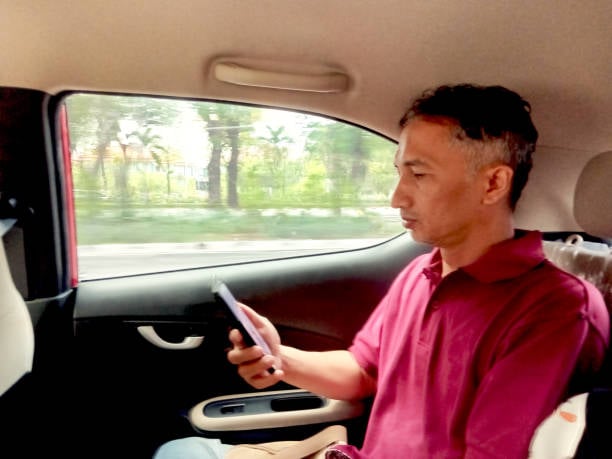
Use Google Maps navigation: Have the route open on your phone. This isn't rude - it's standard practice, and drivers expect tourists to do this. It prevents long-route scams and gives you peace of mind.
Stay alert but friendly: You don't need to be paranoid, but remain aware. Chat with the driver if you're comfortable, but keep an eye on where you're going.
Don't allow unplanned stops: If the driver wants to stop for fuel, pick up a friend, or visit a shop, politely but firmly decline unless it was agreed upfront. Say: "I'm on a schedule. Please take me directly to my hotel."
Share your journey details: Send a photo of the license plate, driver name, and your ETA to a friend, family member, or your hotel. This takes 30 seconds and significantly increases your safety.
Trust your instincts: If something feels wrong - the driver is aggressive, taking strange routes, or making you uncomfortable - call your hotel and explain the situation while still in the vehicle. This often resolves issues immediately.
Payment Best Practices
Pay only upon arrival at your final destination: Never pay before the journey is complete.
Have exact change or close to it: Carrying $40 in smaller bills ($10s, $20s) prevents change-related disputes.
Get a receipt if possible: Legitimate services can provide one; it's also useful for expense tracking.
Tip appropriately: If service was good, a tip of $2-5 is generous and appreciated, but not obligatory.
🆘 Emergency Contacts
Tanzania Emergency Services: 112 or 999
Tourist Police (Moshi): +255 27 275 4377
Tourist Police (Arusha): +255 27 250 3842
Your Embassy: Save contact before travel
Your Hotel: Program number into phone before leaving airport
What to Do If You're Being Scammed
Despite your best efforts, you might find yourself in a difficult situation. Here's how to handle it:
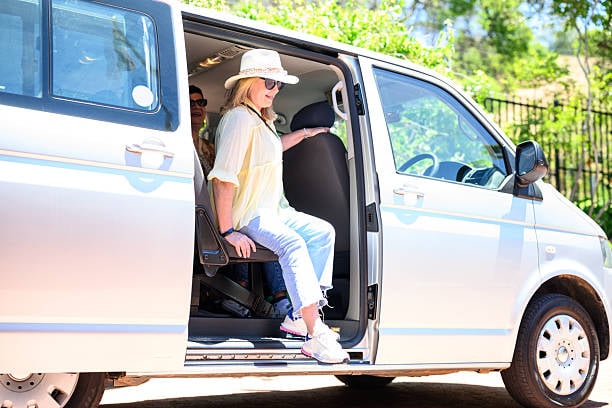
If Confronted with Inflated Price on Arrival
Stay calm and polite but firm: "We agreed on $50. I will pay $50 as agreed."
Don't get out of the vehicle until resolved: If the driver refuses to continue to your hotel over payment dispute, you have leverage.
Call your hotel immediately: Explain the situation. Hotel staff often speak with the driver and resolve it. Drivers know hotels can blacklist them.
Offer a small compromise if reasonable: If you agreed on $40 and they're demanding $50, and you feel the service was good, paying $45 ends the confrontation. This is a judgment call.
Document everything: Take photos of the driver, license plate, and vehicle. Say you're doing this. It often changes behavior.
Refuse to pay clearly excessive amounts: If you agreed on $35 and they demand $100, stand firm. Call police if necessary. This is theft.
If Taken to Wrong Hotel or Location
Don't get out or pay: "This is not my hotel. Take me to [hotel name] immediately."
Call your hotel: They can verify you're not there and speak with the driver.
Use Google Maps to show correct location: Visual proof helps.
If driver refuses: Call police and state clearly you're being taken against your will to an unauthorized location. This is very serious and should resolve quickly.
Reporting Scams
If you're scammed, reporting helps future travelers:
Report to your hotel - they track bad drivers and can warn guests
Leave reviews on TripAdvisor forums and Tanzania travel groups
Report to Tanzania Tourism Board if the scam was serious
Share on travel forums with specific details (driver name, vehicle, date)
⚖ Keep Perspective
While being scammed is frustrating, keep perspective. The difference between a fair price ($50) and inflated price ($80) is significant to you but also represents several days' wages for many Tanzanians. This doesn't excuse dishonesty, but maintaining dignity and calm protects you better than anger. Handle situations firmly but respectfully.
Recommended Transport Alternatives
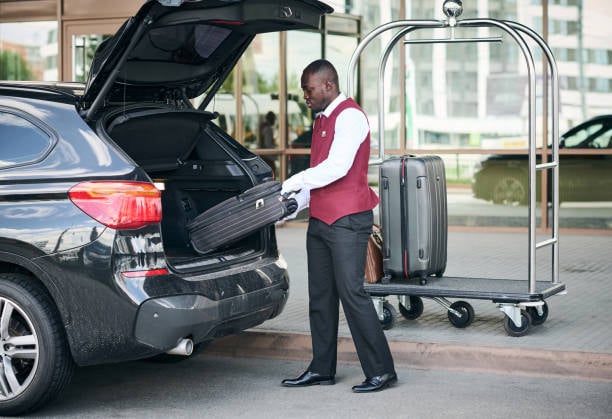
Hotel Transfers (Most Recommended)
Nearly every hotel and lodge in Moshi and Arusha offers airport pickup. Contact them via email 24-48 hours before your flight with your arrival details. Costs typically range from $40-65, matching independent taxi prices but with guaranteed reliability and accountability. This is the gold standard for stress-free arrival.
Shared Shuttle Services
Some companies operate shared shuttle services between JRO and Moshi /Arusha, picking up multiple travelers to split costs. These run less frequently (usually coordinated with major flight arrivals) but cost $15-25 per person. You'll need to wait for other passengers, adding 30-60 minutes to your journey. Best for budget travelers not in a hurry.
Car Rental at JRO
International car rental companies (Avis, Hertz, Budget) and local operators have desks at Kilimanjaro Airport. If you're planning a self-drive safari or extensive regional travel, picking up your rental at the airport makes sense. However, for travelers just heading to Moshi for a Kilimanjaro climb or staying in Arusha for a few days, renting a car is unnecessary and expensive ($50-80/day minimum).
Why Uber/Bolt Don't Work Here
As of February 2026, ride-hailing apps like Uber, Bolt, and local alternatives have limited or no service at Kilimanjaro Airport. The isolation of JRO and the dominance of traditional taxi services have prevented these platforms from gaining traction. A few apps exist in Arusha and Dar es Salaam, but they don't reliably serve the airport route. Don't count on this option.
Frequently Asked Questions
Is it safe to take a taxi from Kilimanjaro Airport?
Yes, taking a taxi from JRO is generally safe in terms of physical security. Violent crime against tourists is extremely rare. The main concern is financial - being overcharged rather than being endangered. Pre-booking through your hotel or a reputable company maximizes both safety and fair pricing.
How much should a taxi cost from Kilimanjaro Airport to Moshi?
A fair price is $40 - 55 USD (95,000-140,000 TZS) for the 45km journey taking 45-60 minutes. Anything above $60 is overpriced. Late night arrivals (after 9 PM) may justify a small premium of $5-10.
Can I use Uber at Kilimanjaro Airport?
No, Uber and other ride-hailing apps do not operate at Kilimanjaro International Airport as of 2026. You'll need to use traditional taxis, pre-booked transfers, or hotel pickups.
Should I pay in US Dollars or Tanzanian Shillings?
Either currency works, but USD is more common for airport taxis. Always clarify which currency you're agreeing to: say "35 US dollars" or "80,000 Tanzanian shillings" explicitly. If paying USD, have small bills to avoid change issues. The exchange rate is approximately 2,400-2,500 TZS per USD.
What if the driver demands more money than we agreed on arrival?
Stay calm and polite but firm. Restate the agreed price: "We agreed on $35, and I will pay $35." Don't exit the vehicle until resolved. Call your hotel - they can usually mediate. Document everything (photos of driver, license plate) if needed. Stand firm; you're not obligated to pay more than agreed.
Is it better to pre-book or get a taxi on arrival?
Pre-booking is strongly recommended. It eliminates negotiation stress, ensures reliability, prevents scams, and often costs the same or only slightly more than arranging on arrival. Contact your hotel 24-48 hours before your flight - most offer pickup for $50-60.
Are there official taxis at Kilimanjaro Airport?
There's an official taxi desk area outside the terminal, but "official" doesn't mean government-regulated with fixed prices. Multiple taxi companies and independent drivers operate. The best approach is pre-booking through your hotel, or using the airport taxi desk and negotiating within fair price ranges.
Final Thoughts: Arriving at JRO with Confidence
Kilimanjaro International Airport taxi scams exist, but they're entirely preventable with preparation and knowledge. The overwhelming majority of drivers are honest people trying to make a living, and many travelers complete the journey without any issues whatsoever.
Your best strategy is simple: pre-book your transfer through your hotel or a reputable company. This removes uncertainty, ensures fair pricing, and lets you start your Tanzanian adventure stress-free. If circumstances require arranging transport on arrival, you now know the fair prices, common scams, and how to protect yourself.
Tanzania is an incredible destination with warm, welcoming people, stunning landscapes, and unforgettable experiences. Don't let concerns about airport taxis overshadow the amazing journey ahead. With the insights from this guide, you're equipped to handle the JRO arrival like a seasoned traveler.