)
4x4 Rental in Tanzania: A Self-Drive Safari Guide (2026)

In this article:
- Is a Self-Drive Safari in Tanzania a Good Idea?
- How Much Does a 4x4 Rental Cost in Tanzania?
- What Are the Park Fees for a Self-Drive Safari?
- What Are the Rules for Driving in Tanzania's National Parks?
- Which 4x4 Should You Rent for a Tanzania Safari?
- What Documents Do You Need to Drive in Tanzania?
- Which Routes Work Best for a Self-Drive Safari?
- Should You Camp or Stay in Lodges?
- Can You Drive a Tanzanian Rental Car to Kenya?
- Frequently Asked Questions
- Plan Your Self-Drive Safari
You have seen the daily rates for a rented Land Cruiser and they look like a bargain next to a guided safari.
Then the questions start. How much are the park fees on top? Can you drive into the Ngorongoro Crater on your own? What happens at a police checkpoint, or when a track turns to mud after rain?
A self-drive safari in Tanzania works well if you plan the fees and the rules before you land. This guide covers what a 4x4 rental costs, the official 2026 park and vehicle fees, the rules inside the parks, which car to choose, and when a guided safari is the better deal.
Is a Self-Drive Safari in Tanzania a Good Idea?
Yes, a self-drive safari in Tanzania is a good idea for confident drivers who want to set their own pace and are happy to handle park permits themselves. It suits travelers who have driven on dirt roads before and plan to spend several days in the parks.
The table below compares a self-drive safari with a guided one. It shows where each option is stronger.
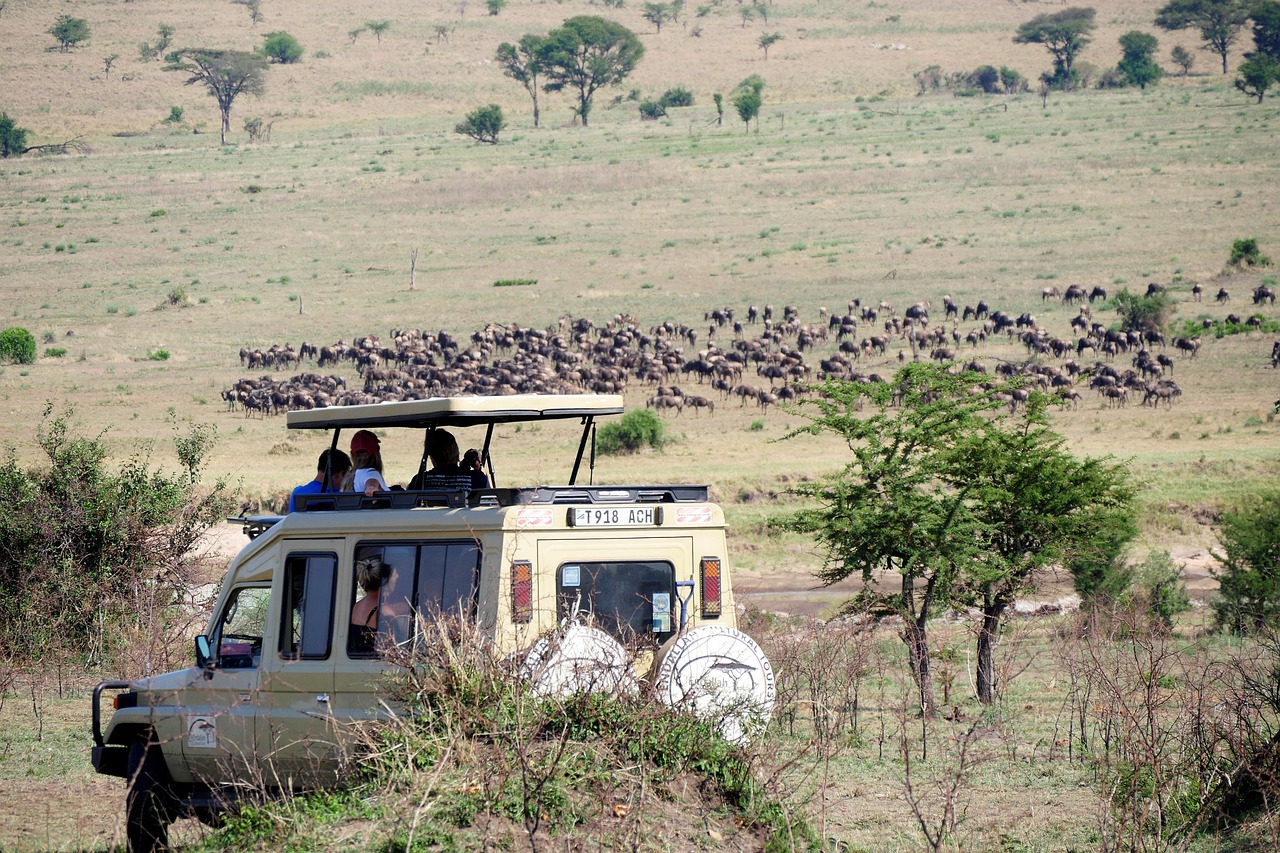
Tourists in a 4x4 safari vehicle watching wildebeest in Serengeti National Park.
Who Should Book a Guided Safari Instead?
Book a guided safari if you have never driven off-road, are traveling for less than four days, or want the best chance of seeing predators. Guides spot animals that most visitors drive past. Browse our safari packages or read what a safari costs to compare.
How Much Does a 4x4 Rental Cost in Tanzania?
A 4x4 rental in Tanzania costs about $50 to $110 per day for self-drive as of 2026, depending on the vehicle. A Toyota RAV4 starts around $50, and a Toyota Land Cruiser starts between $75 and $110 per day (4x4 Car Rental, Self Drive Tanzania).
These rates come from rental companies and exclude fuel and park fees. The table below lists typical self-drive prices by vehicle.
What Should You Budget for on Top of the Rental?
Budget for four costs on top of the daily rate.
Park conservation fees, charged per person per day.
A vehicle entry fee for each park, charged per car.
Campsite fees if you camp inside the parks.
Fuel, which rental companies do not include.
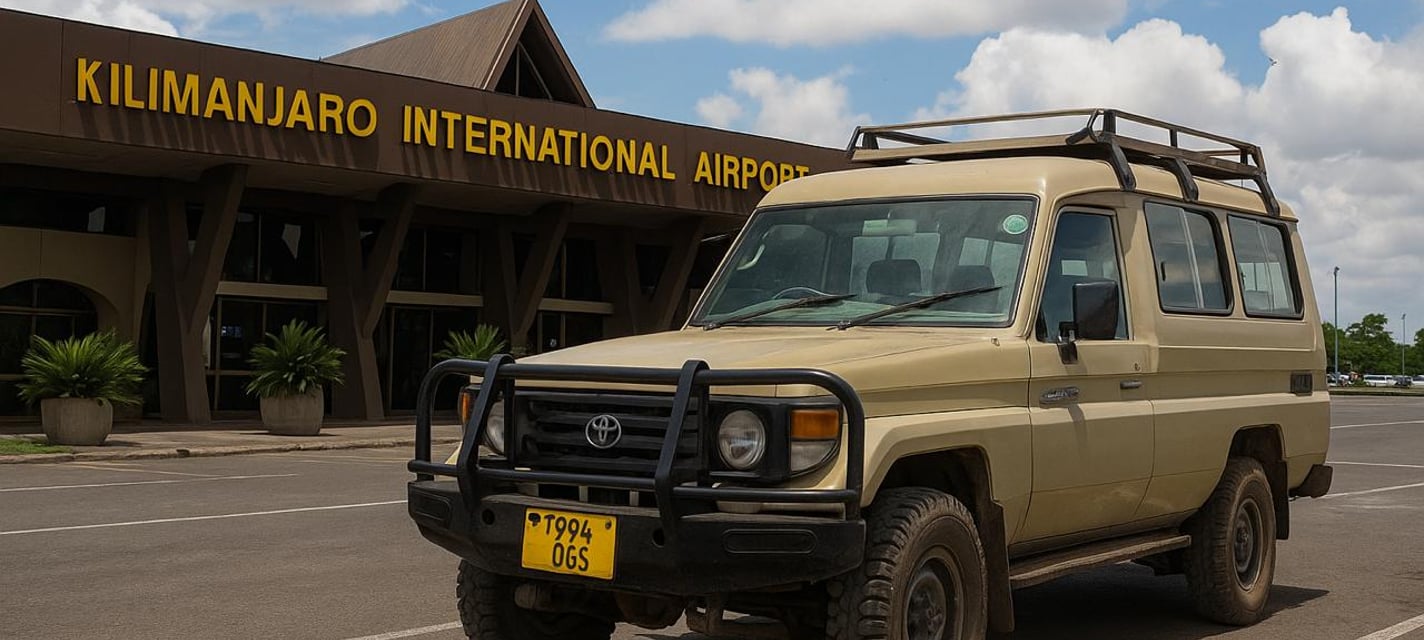
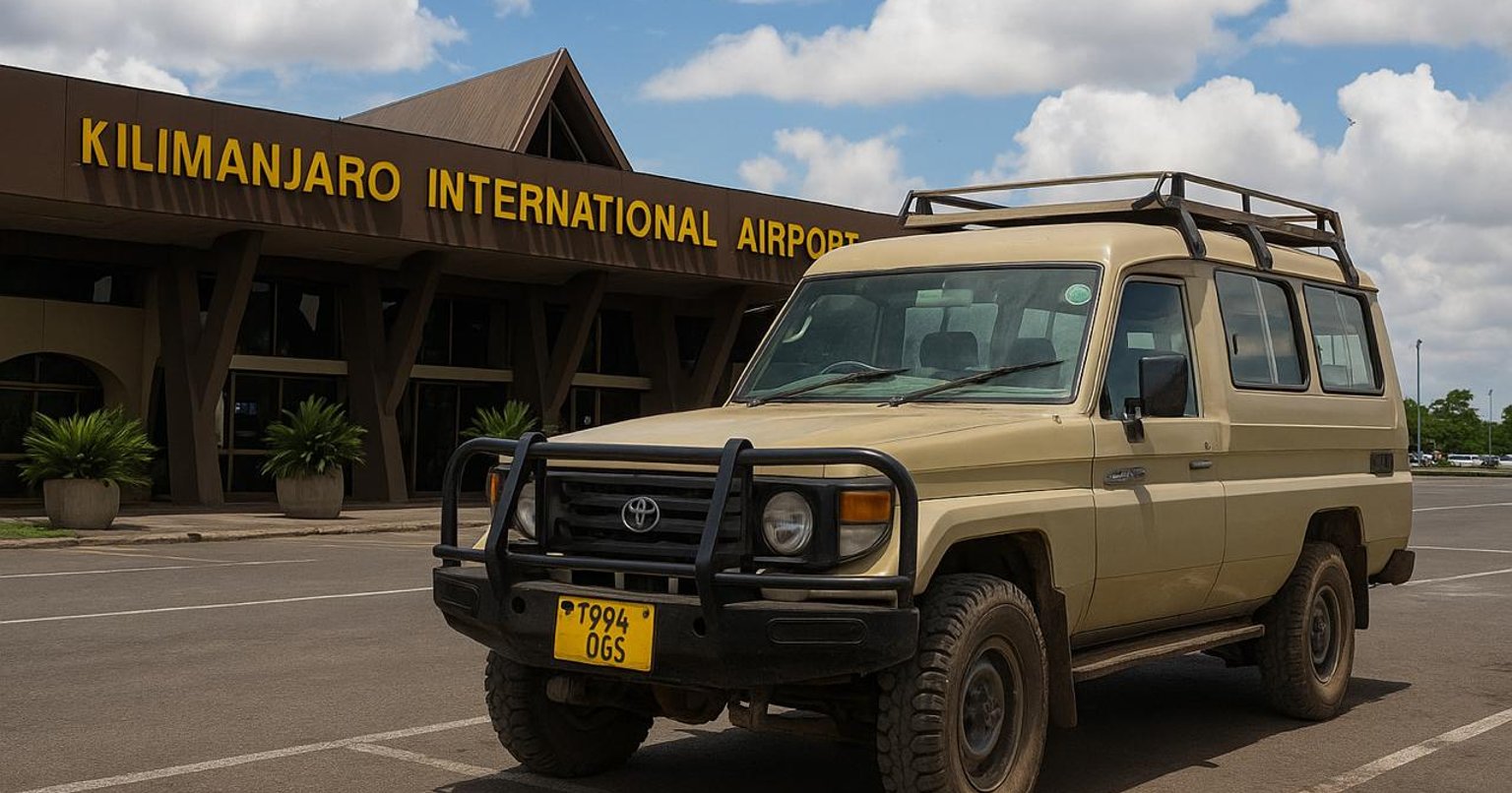
Most companies deliver to Arusha, Kilimanjaro International Airport, Moshi, and Dar es Salaam. Our guide to Arusha vs Kilimanjaro airport explains which airport suits a northern safari.
What Are the Park Fees for a Self-Drive Safari?
Tanzania National Parks (TANAPA) charges a conservation fee per person for every 24 hours in a park, plus a vehicle fee. The latest official tariff is the TANAPA 2023/2024 schedule, which still applies in 2026. Its fees exclude 18% VAT.
The table below shows the adult fee for visitors who are not East African citizens or residents. Children aged 5 to 15 pay less, and children under 5 enter free.
A public campsite in any TANAPA park except Kilimanjaro costs $30 + VAT per adult per night.
How Much Is the Vehicle Fee for a Rental Car?
A rental car pays the Tanzanian-registered rate, which depends on the car's weight. TANAPA charges TSh 20,000 for a car up to 2,000 kg and TSh 35,000 for a car of 2,001 to 3,000 kg, both plus VAT. Foreign and commercially registered vehicles pay $40 and $150.
Most Land Cruisers fall in the heavier band. One rental company quotes TSh 41,300 per day for a Land Cruiser and TSh 23,600 for a Suzuki, including VAT (Roadtrip Africa).
What Does the Ngorongoro Crater Cost?
The Ngorongoro Crater costs $70.80 per adult plus a crater service fee of $295 per vehicle per trip. The Ngorongoro Conservation Area Authority sets these fees separately from TANAPA, and a permit covers one entry within 24 hours (NCAA tariffs).
A rented Land Cruiser pays a vehicle permit of TSh 41,300 at Ngorongoro. Self-drivers must also take a ranger into the crater for $40 in cash, and the permits have to be issued through a tour operator rather than at the gate (Roadtrip Africa). Read our Ngorongoro Crater guide before you plan the day.
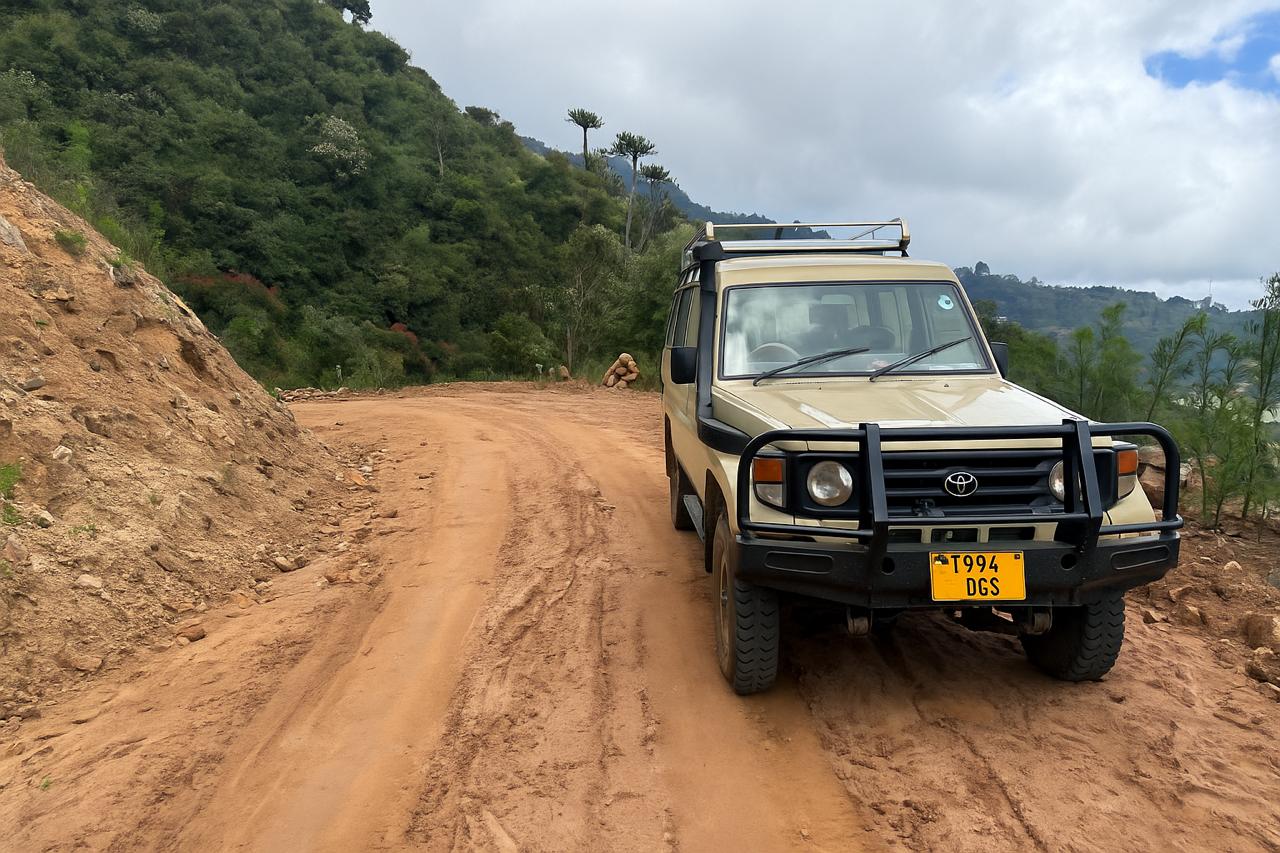
A rugged 4x4 Toyota Land Cruiser from WAT on a dirt road near a forested hillside in northern Tanzania.
What Does a Day in the Parks Cost for Two People?
The worked examples below add up the official fees for two adults in a rented Land Cruiser during peak season. They show how quickly fees overtake the daily rental rate.
The Serengeti day adds two conservation fees of $70 and two campsite fees of $30, all plus VAT. The crater day adds two entry fees of $70.80, the $295 crater service fee, and $40 for the ranger.
How Do You Pay Park Fees?
TANAPA takes payments electronically through the government payment gateway, online, by card, or by mobile money. Rental companies report that the gates accept Visa and Mastercard but not cash, so carry a credit card with a high enough limit.
What Are the Rules for Driving in Tanzania's National Parks?
Park rules are strict, and rangers fine drivers who break them. TANAPA fines speeding in any national park TSh 50,000, and the Ngorongoro Conservation Area fines speeding, off-road driving, and wrong parking TSh 118,000 each.
Follow these rules in every park.
Keep to the park speed limit, commonly given as 50 km/h, and drive slower in the Ngorongoro Crater.
Stay on marked tracks, because off-road driving is not allowed in public areas of the parks.
Stay inside the vehicle except at marked picnic sites and campsites.
Leave the park or reach your campsite before the gates close in the evening.
Keep your permit receipts in the car until you leave the park.
The UK Foreign Office warns that park roads "can become hazardous or impassable after heavy rain" and that "it may be essential to have a 4-wheel drive vehicle" (GOV.UK, updated May 2026).
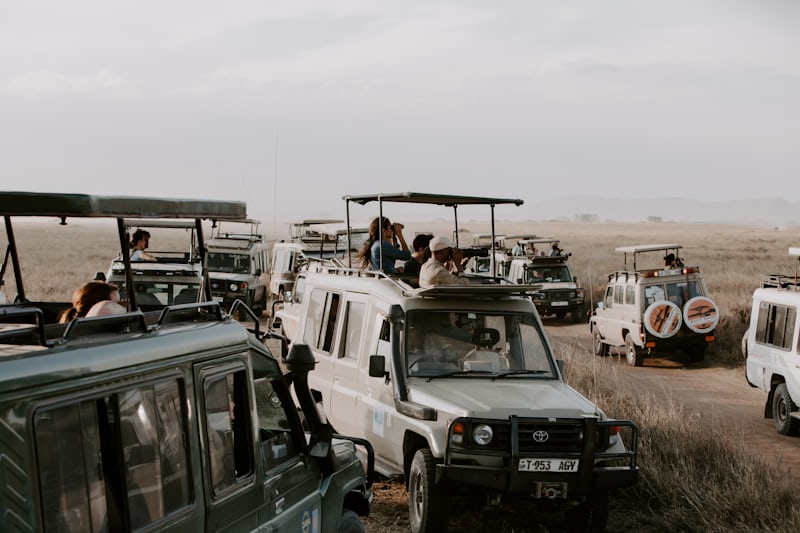
Safari vehicles with tourists in a grassy savannah, observing wildlife. The sky is overcast, and the terrain is flat and expansive.
Can You Drive at Night?
No, you cannot drive in Tanzania's national parks at night unless you join an organized night game drive. TANAPA offers night drives only in selected parks under specific guidelines. Outside the parks, the UK Foreign Office advises travelers to avoid driving outside major towns and cities at night.
Which 4x4 Should You Rent for a Tanzania Safari?
Rent a Toyota Land Cruiser for most safaris in Tanzania. It has the ground clearance for rutted park tracks, and mechanics across the country know how to repair it. A Nissan Patrol or Land Cruiser Prado works on the same routes.
A few features change how the safari feels.
A pop-up roof lets you stand up and watch animals from all sides.
A rooftop tent keeps you off the ground at campsites and packs away in minutes.
An automatic gearbox makes long days easier, while a manual gives more control in mud.
A second spare tire saves a long wait on remote tracks.
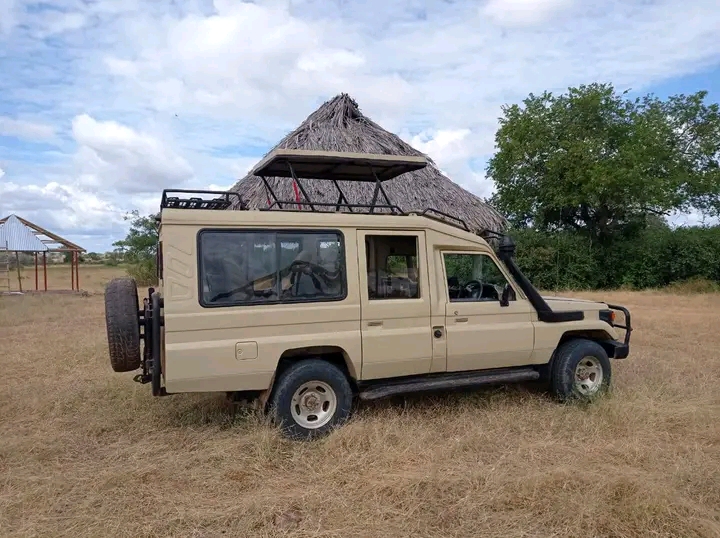
A safari Land Cruiser with a pop-up roof parked on dry grass near a thatched shelter.
Is a RAV4 Enough for a Safari?
No, a RAV4 is not enough for most safaris in Tanzania. It handles tarmac and the short tracks in Arusha National Park, but the Serengeti's longer dirt roads need a proper 4x4 with more clearance.
What Documents Do You Need to Drive in Tanzania?
You need a valid driving license, your passport, and the rental papers. The UK Foreign Office says a UK license is valid in Tanzania for up to six months, and an International Driving Permit is required for longer stays (GOV.UK).
Keep these documents in the car.
Your driving license, plus an International Driving Permit if it is not in English
Your passport with a valid Tanzania visa
The rental agreement and insurance papers
Receipts for every park fee you have paid
Police checkpoints are frequent on main roads. If you are fined, the officer should give you a government control number for payment, and should not ask for cash at the roadside.
Which Routes Work Best for a Self-Drive Safari?
The northern circuit is the easiest self-drive route in Tanzania. It starts in Arusha, the parks sit close together, and campsites and lodges are easy to find. The southern and western parks are more remote and suit experienced drivers.
What Is the Northern Circuit Route?
The northern circuit links five parks in a loop from Arusha. Plan at least one full day in each park.
Arusha National Park: Close to town and a good first day to learn the car.
Tarangire: Large elephant herds and baobab trees, at their best in the dry season.
Lake Manyara: A compact park on the road to Ngorongoro.
Ngorongoro Crater: A half day on the crater floor with a ranger.
Serengeti: Open plains and the Great Migration, which moves through different areas by season.
For a family version of this route, read our family self-drive safari in Tarangire.
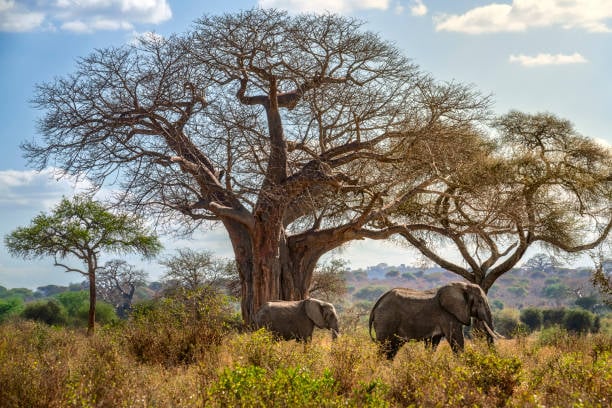
A Big baobab and two elephants, Tarangire.
Which Parks Suit a Southern or Western Self-Drive?
Ruaha, Mikumi, and Katavi suit drivers who want fewer vehicles and more time alone with wildlife. Their conservation fee is $30 + VAT, less than half the Serengeti rate. Distances between parks are long, and fuel stations are far apart, so plan each leg carefully. Mikumi is the easiest to reach from Dar es Salaam.
Should You Camp or Stay in Lodges?
Camping keeps a self-drive safari affordable, while lodges add comfort on long days. Many travelers mix both.
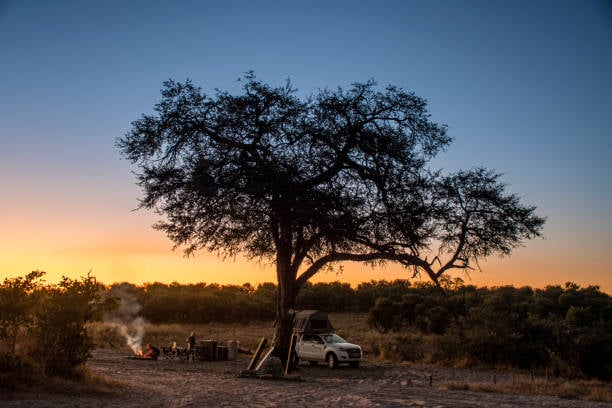
A serene campsite at sunset with a large tree, a white vehicle, a tent, and a small campfire emitting smoke in Arusha
What Camping Gear Comes With a Rental?
Camping-equipped rentals usually include a rooftop tent, mattresses, a fridge, chairs, a table, a gas cylinder, and cooking gear. Pillows and bedding are often extra, so check the list before you book.
When Is a Lodge Worth It?
A lodge is worth it after a long driving day, in the rainy season, or in the Serengeti, where camps inside the park save hours of driving. Staying at a lodge also means someone else cooks.
Can You Drive a Tanzanian Rental Car to Kenya?
Yes, some Tanzanian rental companies allow trips into Kenya, but only with their written permission. Rental companies list a letter of authorization, a copy of the vehicle registration, COMESA Yellow Card insurance, and a temporary import permit bought at the border. Ask for these when you book, because the company needs several days to prepare them.
Frequently Asked Questions
These are the questions travelers ask most often about self-drive safaris and 4x4 hire in Tanzania.
Yes, you can self-drive in the Serengeti in a rented 4x4. You pay the conservation fee of $70 + VAT per adult per day and a vehicle fee at the gate, and you must stay on the tracks and leave or reach camp before dark.
Yes, you can drive into the Ngorongoro Crater yourself, but a ranger must ride with you for $40 in cash. You also pay the $295 crater service fee per vehicle, and the permits have to be arranged through a tour operator.
A self-drive safari in Tanzania costs roughly $200 to $600 per day for two people, depending on the park. The rental is $75 to $110, and fees add $118 for Tarangire, $236 for a Serengeti day with camping, or $476.60 for the Ngorongoro Crater.
Yes, you need a 4x4 for most Tanzania safaris. The UK Foreign Office warns that park roads are mainly dirt tracks that can become impassable after heavy rain.
You can pick up a 4x4 in Arusha, at Kilimanjaro International Airport, in Moshi, or in Dar es Salaam. Arusha is the most practical start for the northern circuit. Our Arusha car rental guide lists local options.
Yes, driving in Tanzania is manageable for confident drivers who avoid night driving. The UK Foreign Office warns that road users often drive dangerously and serious accidents are common. Read is Tanzania safe to visit for wider advice.
Plan Your Self-Drive Safari
A self-drive safari in Tanzania works best with a Land Cruiser, a clear route, and a budget that treats park fees as the biggest cost. Book the car early for July to October, keep every fee receipt, and plan to reach camp before dark.
If you would rather leave the driving and permits to someone else, browse our safari packages with verified local operators. For the island leg of your trip, read our guide to renting a car in Zanzibar.