)
Getting Around Moshi: Your Complete Local Transport Guide
Taxis, Dala Dalas, Boda Bodas & Everything You Need to Know (2026)

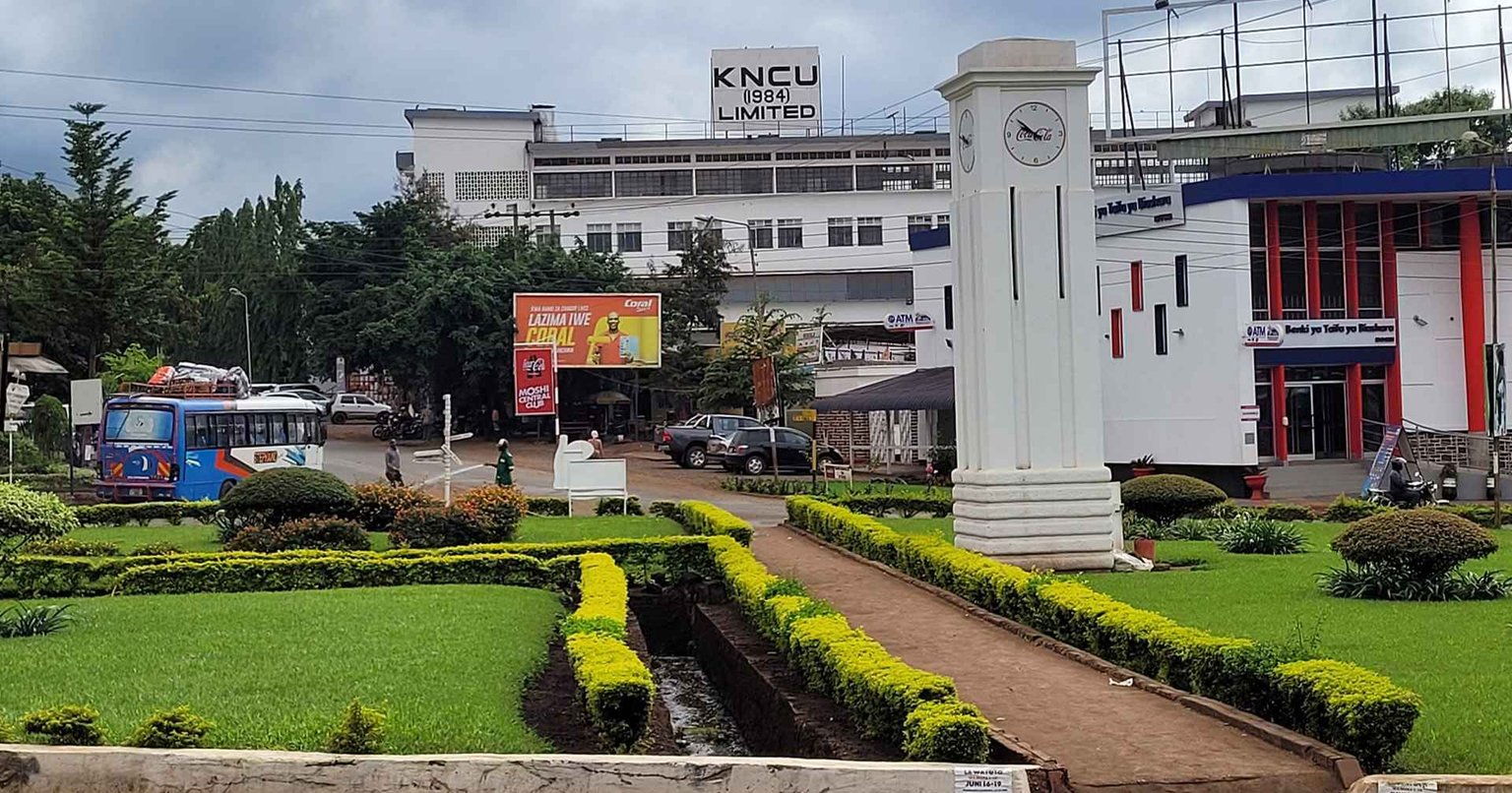
You've just landed at Kilimanjaro International Airport, and you're heading to Moshi - the charming town nestled at the foot of Africa's highest mountain. Or maybe you're already in town, eager to explore local coffee farms, waterfalls, and markets. Either way, you're wondering: How exactly do I get around Moshi?
Unlike cities with extensive public transit systems, transport in Moshi Tanzania operates on a more informal, yet surprisingly efficient system. You'll find colorful dala dala minibuses packed with locals, motorcycle taxis weaving through traffic, and friendly taxi drivers ready to negotiate fares. Understanding these options transforms your Moshi experience from confusing to empowering.
In this article:
- Understanding Transport in Moshi, Tanzania
- Dala Dalas: Moshi's Local Minibus System
- Taxis in Moshi: Private and Shared Options
- Boda Bodas (Motorcycle Taxis)
- Car Rentals and Private Drivers
- Walking and Cycling in Moshi
- Getting to/from key destinations
- Essential Transport Tips for Moshi
- Cost Breakdown: Moshi Transport Options
- Frequently Asked Questions
- Final Thoughts: Navigating Moshi with Confidence
This guide covers every transport option in Moshi - from the budget-friendly dala-dalas costing just a few hundred shillings to private car rentals for ultimate flexibility. Whether you're a backpacker watching every dollar or a traveler seeking comfort and convenience, you'll find your perfect getting around Moshi solution here.
Understanding Transport in Moshi, Tanzania
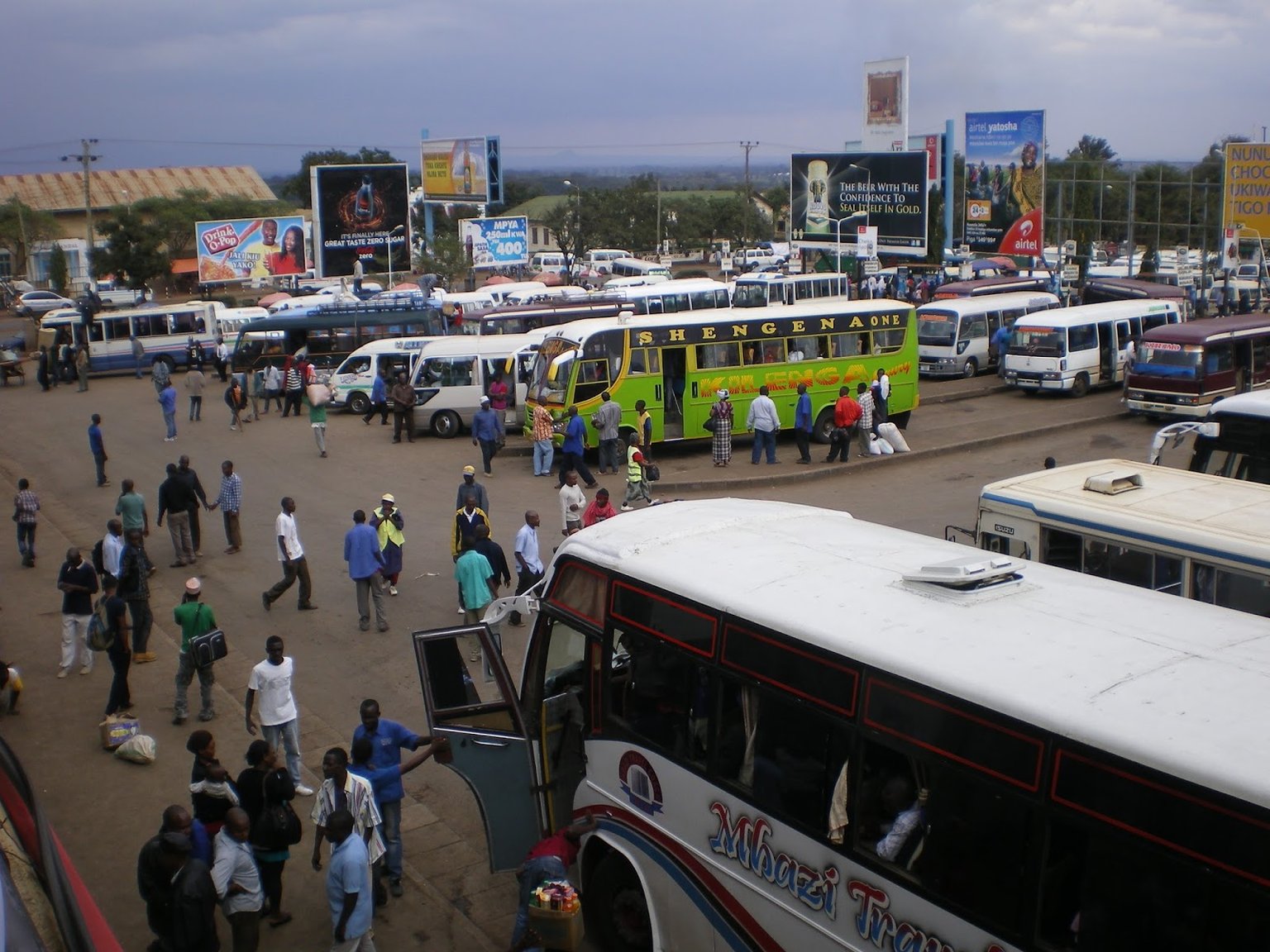
Moshi's transport system reflects typical East African urban mobility - informal, cash-based, and relationship-driven. Unlike Western cities with fixed-route buses and digital payment systems, getting around Moshi requires more flexibility and cultural awareness.
The good news? Transport options here are remarkably affordable. A dala dala ride across town costs 500-800 Tanzanian shillings (about $0.15-0.35 USD), while a private taxi for the same journey runs 5,000-10,000 shillings ($2-4 USD). Even airport transfers - often the most expensive transport segment - remain reasonable at $25-40 for the 45-minute drive from Kilimanjaro International Airport.
Safety in Moshi's transport system is generally good, especially during daylight hours. The town sees significant tourist traffic due to its position as the gateway to Mount Kilimanjaro, so transport providers are experienced with international visitors. That said, standard precautions apply: avoid traveling alone late at night, keep valuables secure, and use reputable transport services.
What distinguishes Moshi transport from Western systems is the negotiation culture. Except for dala-dalas (which have fixed fares), most transport costs are somewhat flexible. This isn't about overcharging tourists - it's simply how business operates. Learning basic bargaining etiquette and fair price ranges makes this cultural difference manageable.
Dala Dalas: Moshi's Local Minibus System
What Are Dala Dalas?
Dala dalas are the backbone of local transport in Moshi - small minibusses (typically Toyota Hiace vans) that run fixed routes throughout town. The name reportedly comes from the Swahili word "dala" (five), referring to the original five-shilling fare. These vehicles are instantly recognizable: painted in bright colors, often featuring religious slogans or football team logos, and usually packed beyond their official capacity.
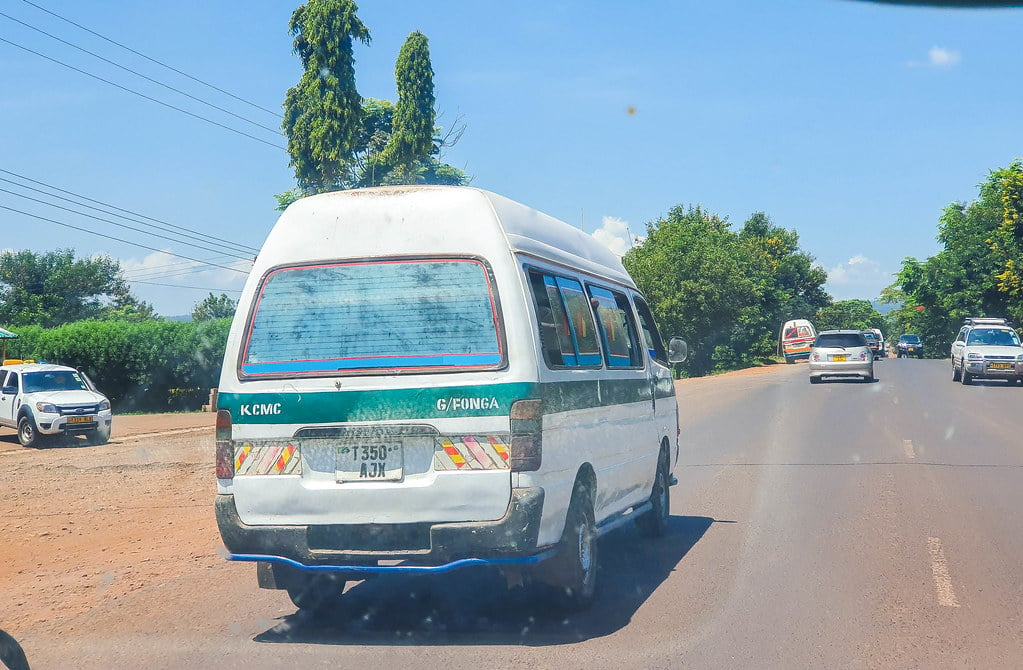
Each dala dala has a driver and a conductor (called a "mpigadebe") who collects fares, announces destinations, and somehow manages to remember who has paid despite the chaos. The conductor hangs out the sliding door, shouting destinations to potential passengers, creating the distinctive soundtrack of Moshi streets.
How to Use Dala Dalas
Using dala dalas requires a bit of local knowledge but becomes intuitive quickly. Main routes depart from the central bus stand near Moshi's market area. To catch a dala dala, stand by the roadside on major routes - they don't have formal stops, so you simply wave one down. The conductor will shout the destination; if it matches where you're going, hop on.
Payment happens after boarding. The conductor will come to collect your fare (500-800 shillings depending on distance). Have small bills ready - 1,000 and 2,000 shilling notes work best. To disembark, tell the conductor "shusha" (let me off) or tap coins on the window frame - the universal signal for "I want to get off at the next convenient spot."
Popular dala dala routes from central Moshi include:
Marangu road (toward Kilimanjaro National Park gates)
Rau area (residential and some lodges)
Pasua and surrounding neighborhoods
Moshi-Arusha route (longer distance, about 2 hours)
Costs and Tips
Typical fares: 500 shillings ($0.15) for short journeys within the town center, 600-800 shillings ($0.25-0.35) for longer routes to outer neighborhoods. The Moshi-Arusha dala dala costs 3,000-4,000 shillings ($1.20-1.60).
Pro tips for dala dala travel: Sit near the door if you're claustrophobic or carrying a backpack. Morning and evening rush hours (7-9 AM, 5-7 PM) mean packed vehicles. Keep your valuables secure - while theft is uncommon, crowded conditions make pickpocketing possible. If you speak basic Swahili, you'll get help from fellow passengers who often assist confused tourists.
Pros and Cons
Advantages: Incredibly cheap, authentic local experience, covers most major routes, frequent service during daytime.
Disadvantages: Crowded (often uncomfortably so), no air conditioning, can be slow due to multiple stops, difficult to navigate without local knowledge, uncomfortable for travelers with large luggage, limited service after 7 PM.
Essential Swahili phrases:
"Unaenda wapi?" (oo-nah-EN-dah WAH-pee) - Where are you going?
"Shusha" (SHOO-shah) - Let me off / Stop
"Bei gani?" (BAY GAH-nee) - How much? (though fares are usually fixed)
Taxis in Moshi: Private and Shared Options
Moshi Local Taxi Services
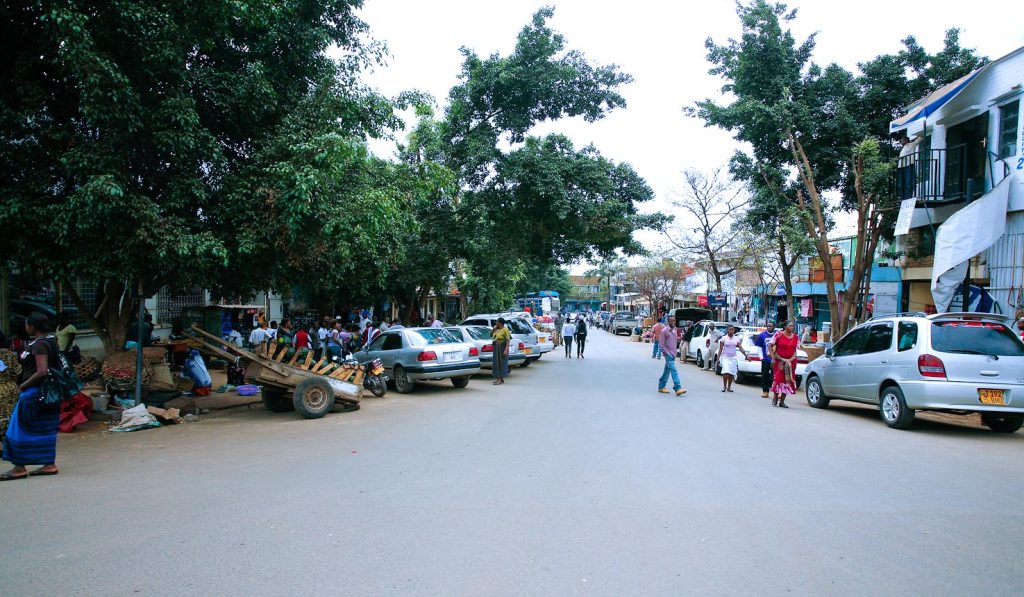
Taxis in Moshi range from well-maintained vehicles operated by established companies to informal drivers offering transport services. You'll find taxis congregating at the central bus stand, near major hotels, and outside popular restaurants. Most Moshi local taxi drivers know the town well and speak at least basic English.
Unlike cities with metered taxis, fares in Moshi are negotiated before departure. This negotiation isn't adversarial - it's simply how business works. The key to fair pricing is knowing what rates are reasonable. As a baseline: short trips within the town center (2- 3 km) should cost 5,000-8,000 shillings ($2-3), longer trips within Moshi 10,000-15,000 shillings ($4-6), and full-day hire approximately 80,000-120,000 shillings ($35-50) depending on distance.
Negotiation tips: Agree on the total price before entering the vehicle. If the first quote seems high, counter with a slightly lower figure - drivers expect this. Having small bills (10,000 and 20,000 shilling notes) speeds up payment. If you'll need a taxi for multiple days, arranging a daily rate with a reliable driver often yields better pricing and builds a helpful local connection.
Ride-Hailing Apps
As of 2026, Uber and Bolt have limited presence in Moshi. While these apps operate in nearby Arusha and Dar es Salaam, Moshi's smaller size hasn't attracted significant ride-hailing investment. A few local taxi companies have developed their own apps, but these require local phone numbers and aren't widely used by tourists.
The most reliable approach remains to book through your accommodation or to use WhatsApp to contact recommended drivers. Many hotels and guesthouses have relationships with trusted taxi drivers and can arrange pickups with transparent pricing.
Typical Taxi Costs
Common routes and expected fares (as of January 2026):
Within Moshi town center: 5,000-8,000 TZS ($2-3)
Moshi to Marangu (Kilimanjaro gate): 40,000-60,000 TZS ($15-25)
Moshi to Materuni Waterfalls: 35,000-50,000 TZS ($15-20)
Moshi to Arusha: 60,000-80,000 TZS ($25-35)
Full day hire (8 hours): 100,000-150,000 TZS ($40-60)
Booking Airport Transfers
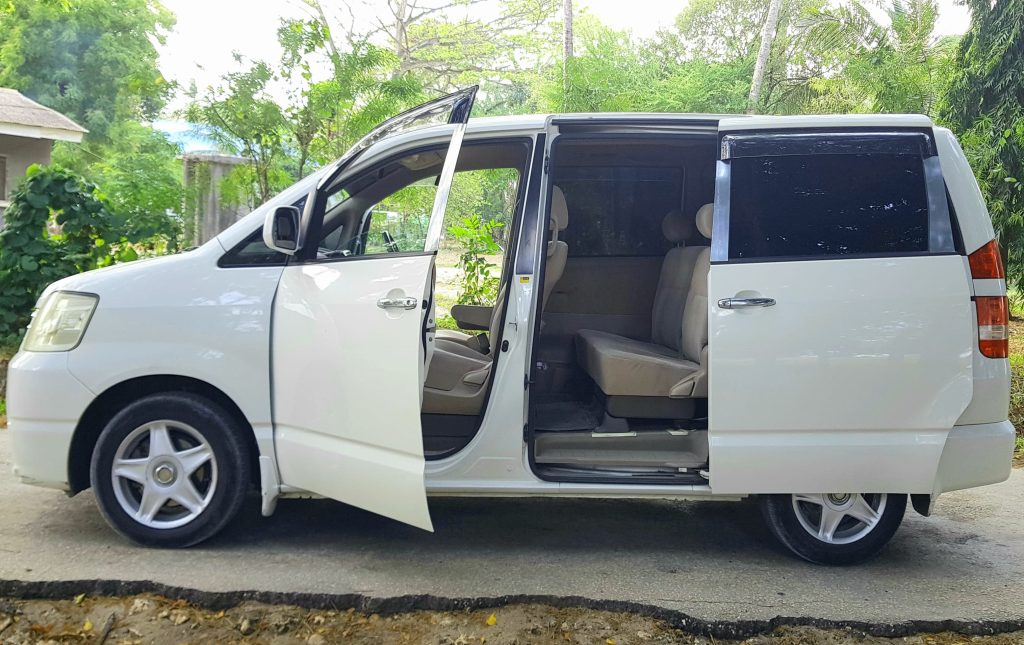
Getting from Kilimanjaro International Airport to Moshi (about 45 kilometers) requires advance planning. The airport sits between Moshi and Arusha, serving both cities. Several transport options exist:
Pre-booked private transfer: $30-40 USD per vehicle (most reliable, especially for late-night arrivals). Book through your accommodation or reputable online platforms.
Taxi from airport taxi rank: $40-50 USD (higher prices due to airport location). These drivers know tourists have limited options and price accordingly.
Shared shuttle: $10-15 USD per person (available during daytime, requires waiting for vehicle to fill). Some companies operate scheduled shuttles that are more reliable than casual sharing.
Safety tip: Always verify your driver's identity if pre-booking. Legitimate drivers will have your name on a sign and can show booking confirmation. Avoid drivers who aggressively solicit business in the arrivals hall - these are typically more expensive and less accountable.
Boda Bodas (Motorcycle Taxis)
Boda bodas - motorcycle taxis - offer the fastest way to navigate Moshi's traffic. These ubiquitous two-wheeled taxis originated in East Africa and remain popular for short, quick trips. You'll see boda boda drivers congregating at most major intersections, identifiable by their motorcycles (usually 100-150cc models) and distinctive colored vests.
Boda bodas excel for short distances during busy hours when larger vehicles crawl through traffic. A journey that takes 15 minutes by car might take 5 minutes by boda boda. They're also significantly cheaper - expect to pay 2,000-4,000 shillings ($0.80-1.60) for most trips within town, roughly half the taxi rate.
However, boda bodas carry higher safety risks. Road traffic injuries involving motorcycles are common in Tanzania. Many drivers lack formal training, helmets are often unavailable or poorly maintained, and the casual attitude toward traffic rules increases danger.
If you choose boda bodas, take precautions: insist on a helmet (even if the driver doesn't wear one), avoid carrying large bags that affect balance, decline drivers who seem intoxicated or overly aggressive, and skip boda bodas after dark.
Best practices: Negotiate the fare before mounting. Wear long trousers to avoid leg burns from the exhaust pipe. Hold onto the grab rail behind you, not the driver. If you have luggage, a regular taxi is safer. Female travelers should note that riding side-saddle (which some conservative areas expect) is actually less safe than riding astride with both legs on one side of the bike.
Typical costs: Short trips (1-2 km) 2,000 shillings, medium distances within Moshi 3,000-5,000 shillings. Always confirm whether the quoted price is for one person or per person if traveling as a pair - some drivers attempt to charge double.
Car Rentals and Private Drivers
Renting a car in Moshi makes sense for specific situations: you're planning multiple day trips to surrounding attractions, traveling with a group that splits costs, or you value independence and privacy. Several companies in Moshi offer car rental, though the industry is less developed than in Western countries.
Expect to pay $40-80 USD per day for a basic 4WD vehicle - essential for many rural roads around Moshi, especially during the rainy seasons (March-May, November-December). Sedan rentals are cheaper at $25-40 per day but are limited to paved roads. Most rental agreements include basic insurance, though coverage often has significant exclusions. Always photograph the vehicle before and after rental to document existing damage.
Driving in Tanzania requires an International Driving Permit alongside your home country license. Road conditions vary from decent paved highways to rutted dirt tracks. Traffic flows on the left (British system). The main challenge isn't navigation - it's adapting to local driving culture where rules are suggestions and defensive driving is essential.
For many visitors, hiring a private driver proves more practical than self-driving. Costs run $30-50 USD per day for driver services (excluding fuel, which you pay separately). This option provides local knowledge, eliminates navigation stress, and gives you a guide who can explain what you're seeing. Many drivers who work with tourists speak good English and function as informal tour guides.
Reputable car rental companies in Moshi include established names that also operate in Arusha. Book through your accommodation for vetted recommendations, or use international platforms that provide insurance and accountability. Avoid informal arrangements without written contracts - the savings aren't worth the risk if problems arise.
Walking and Cycling in Moshi
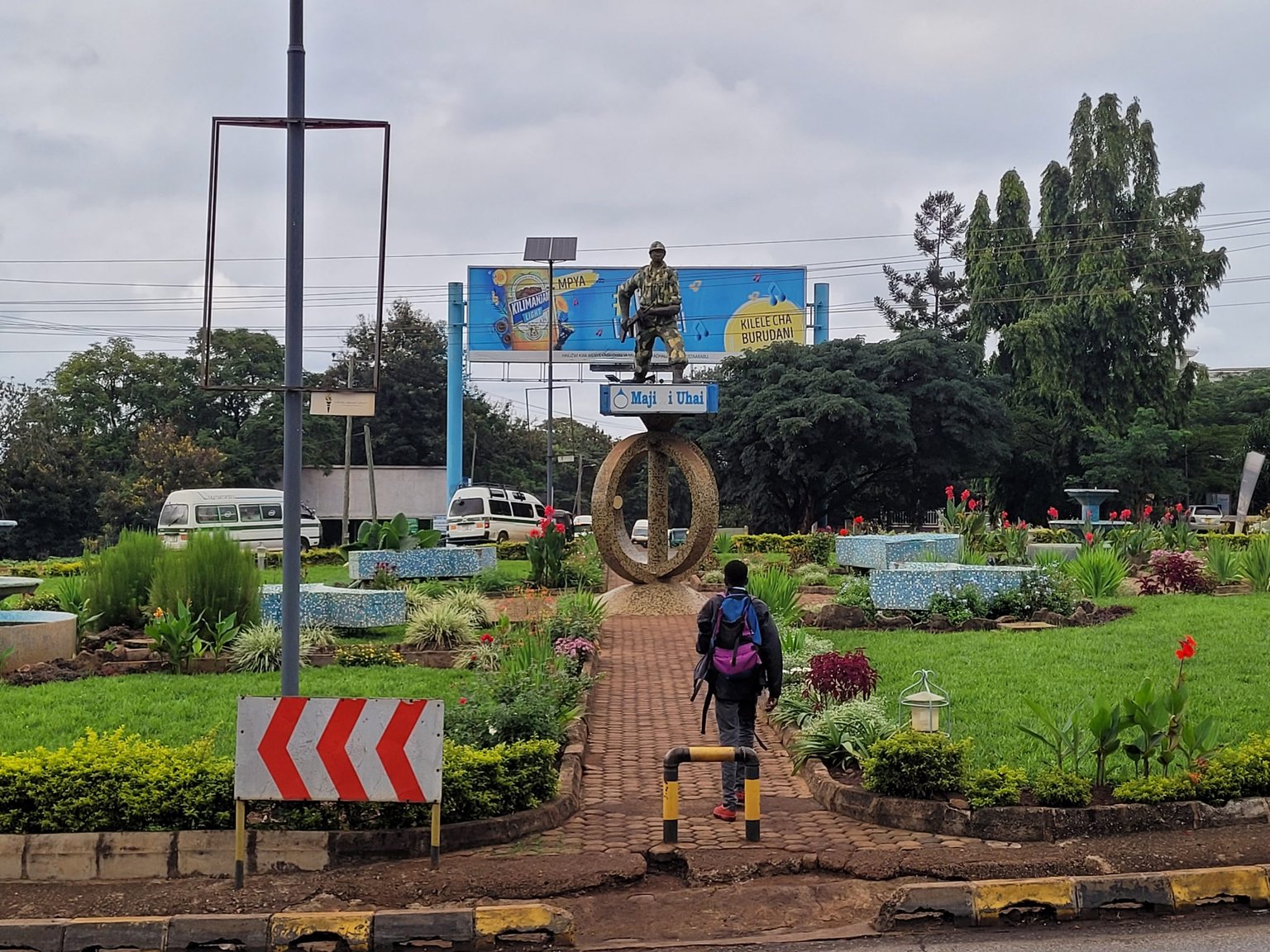
Moshi's town center is surprisingly walkable for an African city. The compact downtown area - roughly a square kilometer - contains most hotels, restaurants, shops, and services. Walking between your accommodation and downtown attractions rarely takes more than 15-20 minutes.
The streets lack proper sidewalks in many areas, but traffic moves slowly enough that sharing the road with vehicles isn't particularly dangerous during daylight.
Best areas for walking include the main market area, the vicinity of Uhuru Park, and the streets around the clock tower (Moshi's central landmark). Early mornings (6-8 AM) offer pleasant temperatures and interesting people-watching as the town wakes up. Evenings are also busy with locals out and about, though you should return to your accommodation before dark for safety reasons.
Cycling in Moshi remains uncommon among tourists, though some local residents use bicycles. Few accommodations offer bike rentals, and cycling infrastructure (lanes, parking, repair shops) barely exists.
The combination of unpredictable traffic, pot-holed roads, and tropical heat makes cycling more challenging than rewarding for most visitors. If you're an experienced cycle tourist comfortable with chaotic traffic, it's possible, but most travelers find walking and motorized transport more practical.
Safety for pedestrians: Watch for vehicles, especially at intersections where drivers may not expect pedestrians. Keep valuable items hidden, street theft is opportunistic rather than aggressive, but visible cameras and phones attract attention. Walk in groups when possible, especially in quieter areas. Avoid walking after dark, particularly outside the main hotel district.
Getting to/from key destinations
Moshi to Kilimanjaro International Airport
The 45-kilometer journey to Kilimanjaro International Airport (airport code: JRO) takes 45-60 minutes depending on traffic. This is the most common mode of transport for Moshi visitors. Your best options:
Pre-arranged private transfer: $30-$40 USD (most reliable, especially for early-morning flights). Book at least a day in advance through your accommodation.
Regular taxi from Moshi: $35-45 USD (negotiate price before departure, factor in extra time to find a taxi).
Shared shuttle: $10-15 USD per person (must book in advance, less flexible on timing). Some shuttle services operate on fixed schedules aligned with flight times.
For early-morning flights (before 7 AM), confirm your transportation the night before. Morning traffic is relatively light, so 45 minutes travel time is usually sufficient. Budget 60-75 minutes total from your accommodation to the check-in desk.
Moshi to Arusha
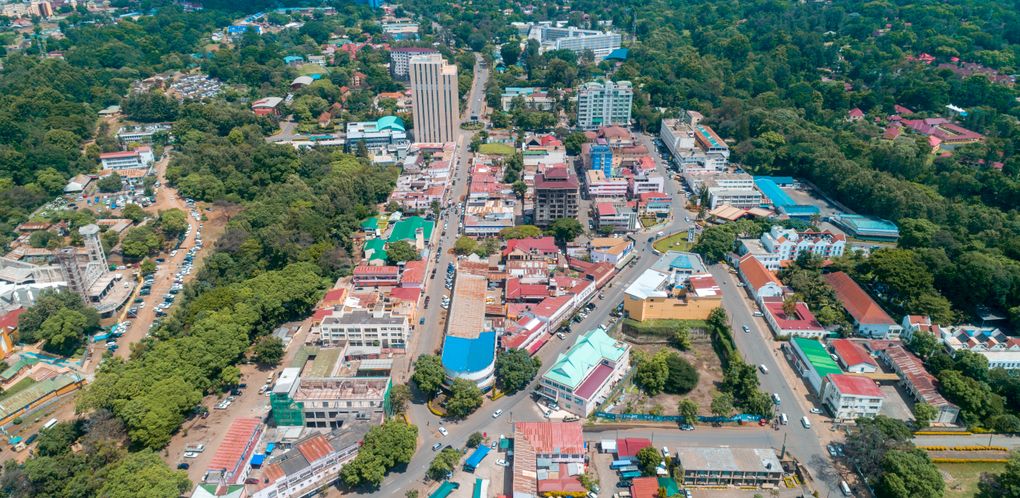
Arusha lies about 80 kilometers west of Moshi, reachable by multiple transport options. The journey takes 1.5-2 hours depending on traffic in both town centers.
Dala dala: 3,000-4,000 TZS ($1.20-1.60), departing regularly throughout the day from the main bus stand. Cramped but authentic, these fill up before departing, so timing is unpredictable.
Private taxi: 60,000-80,000 TZS ($25-35) for the entire vehicle. Worth it if traveling with 2-3 people or carrying luggage.
Shuttle bus: $8-12 USD per person, some tour companies operate comfortable shuttle services between the two cities, bookable through hotels.
Moshi to Marangu (Kilimanjaro Gate)
Marangu, the starting point for the Marangu route up Kilimanjaro, sits about 40 kilometers from central Moshi. Most climbers arrange transport through their trekking company, but independent visitors can access it via:
Dala dala: 2,000-3,000 TZS ($0.80-1.20), departing from the main bus stand. Journey takes 60-90 minutes with multiple stops.
Private taxi: 40,000-60,000 TZS ($15-25) for a round trip including waiting time. Essential if visiting Marangu Gate for a day trip, as return transport can be difficult to arrange once there.
Local Attractions (Waterfalls, Coffee Farms)
Materuni Waterfalls and coffee farms: 35,000-50,000 TZS ($15-20) by taxi one-way, about 45 minutes from Moshi. Most visitors arrange round-trip transport with waiting time, costing $40-60 for the full excursion.
Chemka Hot Springs: 50,000-70,000 TZS ($20-30) by taxi, approximately a 1-hour drive. Public transport options are limited, making private hire necessary for most tourists.
Essential Transport Tips for Moshi
Bargaining Etiquette
Negotiating transport prices in Moshi follows informal rules. Start by asking the price ("Bei gani?"). If it seems high, counter with 60-70% of their initial quote. They'll likely meet somewhere in the middle. This isn't haggling - it's expected business communication. Keep it friendly and light. If you can't reach agreement, walking away often brings the driver back with a better price. Once you agree, honor that price without trying to renegotiate after the journey.
Common Scams to Avoid
Most transport providers in Moshi are honest, but watch for these common issues:
"No change" scam: Driver claims he lacks change for large bills, keeping the difference. Carry small denominations.
Unlicensed "helpers": People at bus stations offering to find you transport, then demanding payment. Only pay the actual driver.
Bait-and-switch: Agreeing to one price, then claiming you misunderstood once you arrive. Confirm price clearly before departure.
Unnecessary stops: Drivers taking you to shops where they earn commission. Politely but firmly decline unscheduled stops.
Peak Hours and Planning
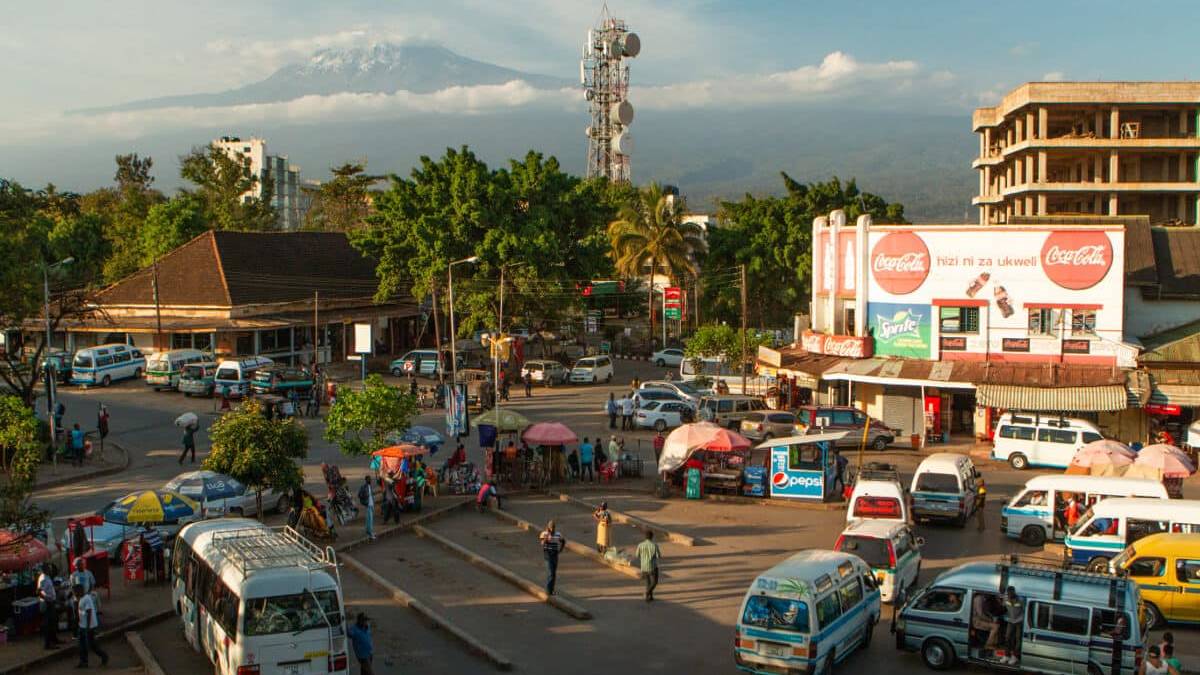
Moshi's traffic peaks during the morning (7-9 AM) and evening (5-7 PM) when people commute to and from work. During these periods, dala dalas pack tighter, taxis take longer, and main roads slow considerably. Plan important trips outside these windows when possible. Early mornings (6-7 AM) and mid-afternoons (2-4 PM) offer the quickest travel times.
Useful Swahili Phrases
"Twende" (TWEN-day) - Let's go
"Simama hapa" (see-MAH-mah HAH-pah) - Stop here
"Bei nzuri" (BAY n-ZOO-ree) - Good price
"Ni mbali" (nee mm-BAH-lee) - It's far
"Asante sana" (ah-SAHN-tay SAH-nah) - Thank you very much
Cash vs. Mobile Money
Cash remains king for Moshi transport. Carry Tanzanian shillings in small denominations (1,000, 2,000, 5,000, and 10,000 notes). Few transport providers accept mobile money (M-Pesa) from tourists, and cards are virtually never accepted. ATMs are available throughout central Moshi - withdraw enough to cover several days of transport plus a safety buffer.
Safety Tips for Solo Travelers and Women
Moshi is generally safe, but sensible precautions apply:
Share your transport details: Send taxi driver details or license plate numbers to someone before departing.
Sit behind the driver in taxis: Gives you more control of the situation and an easier exit.
Avoid traveling alone after dark: If you must, use established taxi companies rather than street hails.
Trust your instincts: If a driver or situation feels wrong, find alternative transport.
Keep valuables hidden: Don't display phones, cameras, or jewelry in dala dalas or open taxis.
Cost Breakdown: Moshi Transport Options
This comparison helps you choose the right transport option based on your budget, comfort needs, and travel style.
Note: All costs in USD as of January 2026. Tanzanian shilling equivalent: approximately TZS 2,500 = $1 USD.
Frequently Asked Questions
Yes, Moshi is generally safe for tourists. As the gateway to Mount Kilimanjaro, it sees significant international visitor traffic and has developed good tourism infrastructure. Standard travel precautions apply: avoid walking alone after dark, keep valuables secure, use reputable transport services, and stay aware of your surroundings. Petty theft occurs occasionally in crowded areas, but violent crime against tourists is rare. During daylight hours, walking around central Moshi and using various transport options poses minimal risk.
A private taxi from Moshi to Kilimanjaro International Airport (JRO) costs $30-40 USD for pre-arranged transfers through hotels or booking platforms. Taxis hired at the airport taxi rank charge $40-50 due to their monopoly position. Shared shuttles cost $10-15 per person but require advance booking and operate on fixed schedules. The 45-kilometer journey takes 45-60 minutes. For early morning flights, confirm your transport the previous evening.
No, you don't need a car in Moshi for most tourist activities. Central Moshi is compact and walkable. Dala dalas, taxis, and boda bodas provide affordable transport for local trips. However, a car (with or without driver) becomes valuable if you're planning multiple day trips to surrounding attractions like Materuni Waterfalls, Chemka Hot Springs, or Marangu Gate. For single-destination excursions, booking a round-trip taxi proves more economical than renting. Groups of 3-4 people find car rental cost-effective when split.
A dala dala is a small minibus (typically a 14-seat Toyota Hiace) that operates as shared public transport throughout Tanzania. These vehicles run fixed routes, picking up and dropping off passengers along the way. The name comes from the Swahili word for "five," referencing the original five-shilling fare. Dala dalas are the cheapest transport option in Moshi, costing 400-800 shillings ($0.15-0.35) for most journeys. They operate from early morning until about 7 PM, departing when full rather than on fixed schedules.
No, Uber does not operate in Moshi as of 2026. The town's size hasn't attracted ride-hailing apps like Uber or Bolt, which focus on larger Tanzanian cities like Dar es Salaam and Arusha. Instead, arrange transport through your accommodation, use WhatsApp to contact recommended taxi drivers, or hail taxis from the central bus stand. Many hotels have relationships with reliable drivers who provide transparent pricing and good service. This personal approach often works better than app-based services in smaller East African towns.
Final Thoughts: Navigating Moshi with Confidence
Getting around Moshi, Tanzania becomes intuitive once you understand the system. Whether you're riding packed dala dalas with locals, negotiating taxi fares with friendly drivers, or hiring a private vehicle for day trips, each transport option offers different advantages. Budget travelers thrive on 400-shilling dala dala rides and occasional taxis. Comfort-seekers find reasonably-priced private transfers and car rentals. Most visitors mix options based on the situation.
The key to successful transport in Moshi is flexibility, cultural awareness, and basic safety precautions. Negotiate prices politely, carry small bills, book airport transfers in advance, and treat drivers with respect. Learn a few Swahili phrases - even fumbled attempts earn smiles and often better service. Most importantly, remember that transport challenges are part of the adventure. That cramped dala dala ride or impromptu negotiation session makes for better stories than any air-conditioned tour bus.
Moshi welcomes visitors with open arms and affordable wheels. Now that you understand your options, you're ready to explore this charming Kilimanjaro gateway with confidence. Safe travels!