)
Zanzibar Spice Tour: Visit a Real Working Farm & Cook with a Local Family


Quick Tour Overview
Duration: Approximately 4 hours
Perfect for: Couples, families, food lovers and culture enthusiasts
Why This Zanzibar Spice Tour Is Different
Not every spice tour offers the same experience.
Many tours visit small demonstration gardens created specifically for tourists. While these can be enjoyable, they often don't show how spices are actually grown or how local families use them in everyday life.
Our tour takes you somewhere much more authentic.
You'll spend time on a working family spice farm where farming is still part of everyday life. The spices you see are harvested, dried and used - not simply displayed.
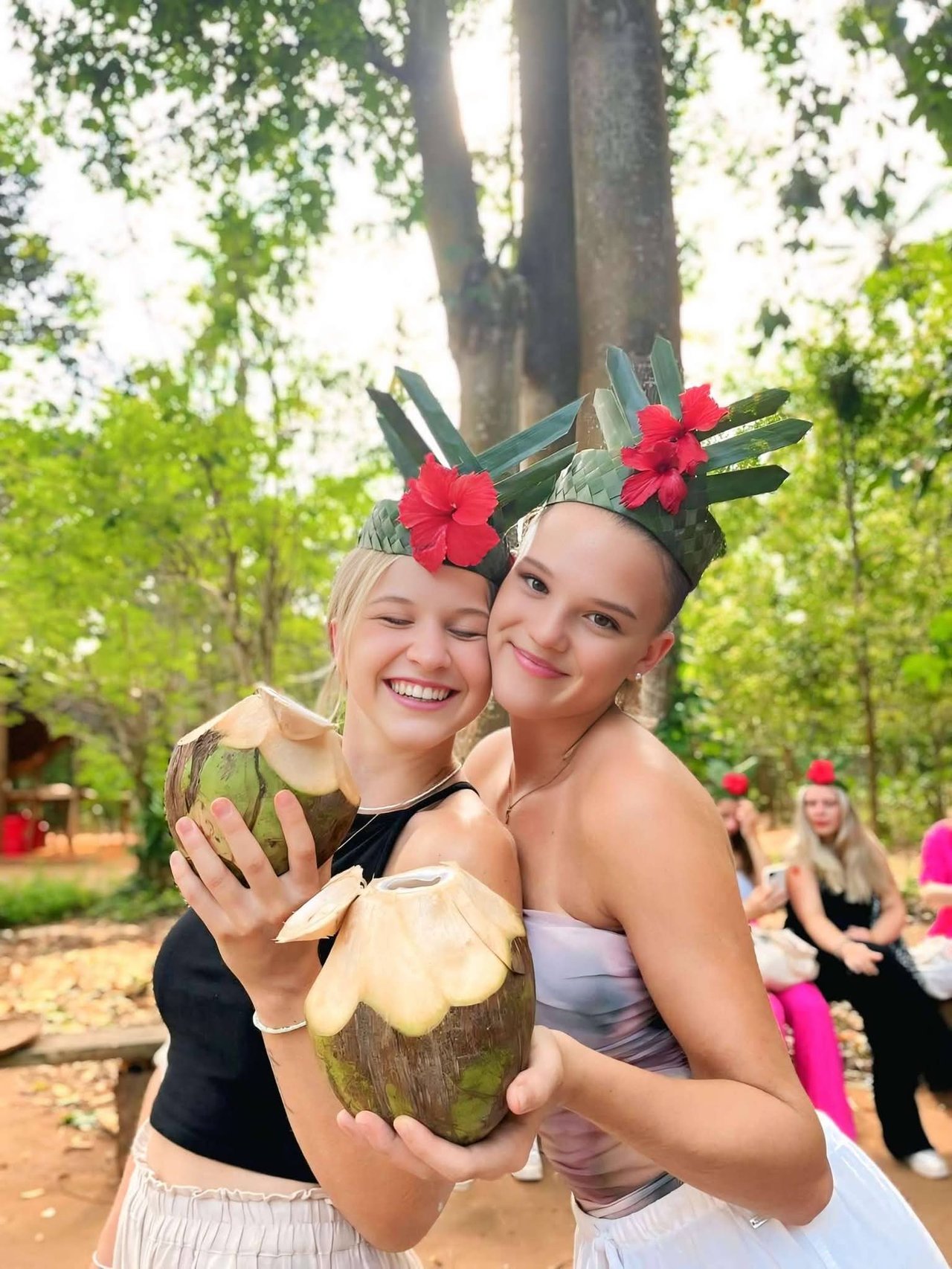
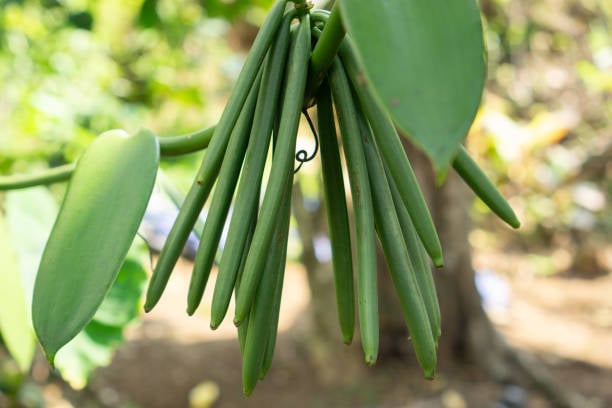
You'll walk beneath clove trees, discover how vanilla grows on orchids, learn why nutmeg and mace come from the same fruit, and pick up fresh leaves to smell their natural aromas.
Instead of listening to a rehearsed presentation, you'll learn from people who have grown these spices for generations.
It's less like visiting a tourist attraction and more like spending the day with local people who are proud to share their way of life.
The experience doesn't end there.
After exploring the farm, you'll join a local family for a hands-on cooking class where you'll prepare up to four traditional Zanzibari dishes using the spices you've just seen growing. Finally, everyone sits down together to enjoy a freshly prepared lunch.
It's authentic, interactive, and one of the best ways to experience everyday life in Zanzibar beyond the beaches.
Whether you're visiting for a few days or planning a longer stay, this is one of the island's most rewarding cultural experiences.
A Farm You Can Experience With All Your Senses
This isn't a tour where you simply walk behind a guide.
You'll smell fresh cinnamon bark before it's dried.
Taste black pepper directly from the vine.
Rub lemongrass between your hands.
Watch cloves drying naturally in the sun.
Sample tropical fruits picked fresh from the farm.
Many visitors are surprised to discover how different fresh spices smell compared to the dried versions found in supermarkets.
It's these small moments that make the experience memorable.
Cook Traditional Zanzibari Food With a Local Family
One of the highlights of the day comes after the plantation walk.
You'll be welcomed into a local family setting where you'll learn how traditional Zanzibari meals are prepared.
Together you'll cook up to four authentic dishes, learning how local spices are layered to create the rich flavours Zanzibar is famous for.
Depending on the day and seasonal ingredients, you may prepare dishes such as:
Pilau rice
Coconut bean curry
Chapati
Fresh vegetable dishes
Traditional sauces
Spiced tea
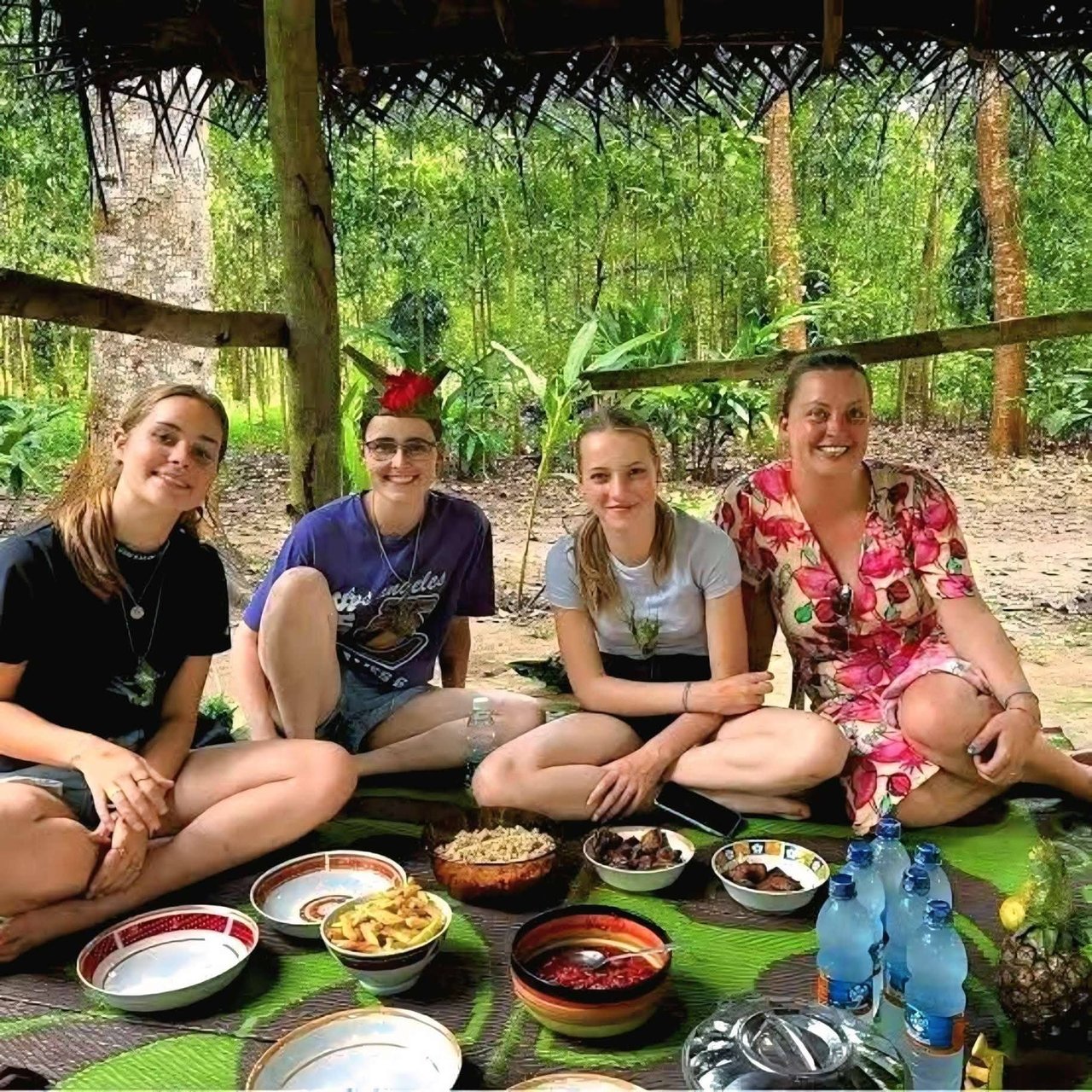
Afterwards everyone sits together and enjoys lunch.
For many guests, this shared meal becomes their favourite memory of the day.
How Much Does a Spice Tour Cost?
Prices vary based on group size. Here's what you should expect to pay:
| Number of People | Price Per Person |
|---|---|
| Going solo | $50 |
| 2 people | $45 each |
| 3 people | $40 each |
| 4 people | $35 each |
| 5 or more people | $30 each |
Experience Includes:
✓ Guided tour of a real working spice farm
✓ Fresh spice and tropical fruit tasting
✓ Spice samples and souvenirs
✓ Hands-on cooking class (up to 4 dishes)
✓ Traditional lunch with a local family
Not Included
✗ Transport (arranged after you share your hotel location)
We'll arrange transport once you tell us where you're staying, ensuring you only pay for the distance you actually travel.
Why Zanzibar Is Called the Spice Island
Long before Zanzibar became famous for its white-sand beaches, it was known across the world for something else - its spices.
The island's fertile soil, tropical climate and seasonal rains create ideal conditions for growing cloves, cinnamon, vanilla, nutmeg, black pepper and many other aromatic plants.
For centuries, traders travelled across the Indian Ocean to buy these valuable spices. During the 19th century, Zanzibar became one of the world's leading producers of cloves, transforming the island into a major trading centre and helping shape the history of Stone Town itself.
Today, spices remain an important part of everyday life.
Families still cook with freshly ground spices, farmers continue traditional growing methods, and visitors can experience this living heritage firsthand by walking through farms that have been cultivated for generations.
A spice tour isn't simply about agriculture - it's about understanding one of the most important chapters in Zanzibar's history.
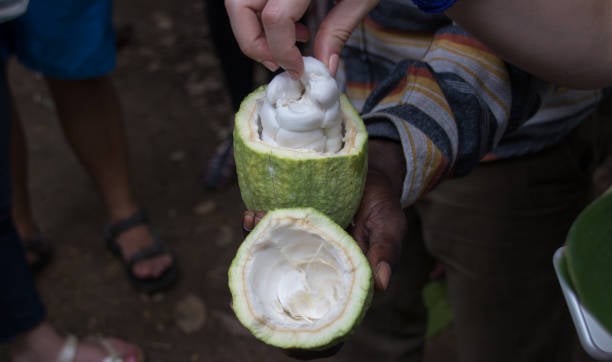
Tasting fresh cocoa fruit out from the tree, on plantation close to Zanzibar Town