)
Stone Town & Spice Tour: History & Culture in One Day


By 10 AM, you're standing in Stone Town's narrow alleys, hand-carved wooden doors on either side of you, the smell of cloves and salt air mixing together. Your guide points out the layers: Arab architecture from the 1800s. Indian influence in the door frames. Swahili style in the layout. A church built on top of a former slave market.
By 2 PM, your clothes smell like cinnamon. You're standing on a working spice farm outside the city, picking vanilla pods from orchids, learning why cloves made this island essential to the world. The contrast is deliberate. Stone Town is history fixed in buildings. The spice farm is history still growing in the ground.
This combo tour works because Zanzibar doesn't make sense without both. The city was built on spice wealth. The farms sustained the island for centuries. See one without the other and you're missing why either exists.
Why Stone Town & Spice Together
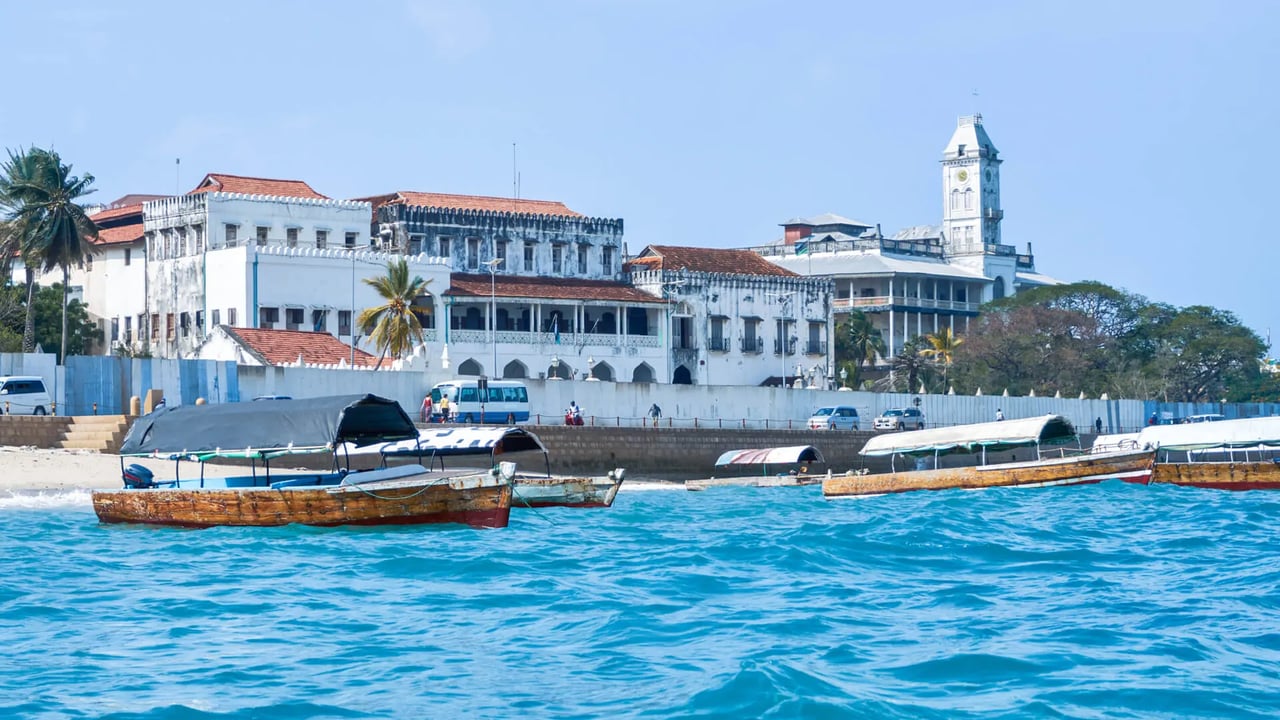
Stone Town is UNESCO-listed architecture. Carved doors, narrow alleys, the House of Wonders, merchant quarters. It tells the political history of Zanzibar - the sultans, the traders, the colonial era, the revolution.
But it doesn't explain the wealth. That comes from the spice farms. Cloves, cinnamon, vanilla, nutmeg - all grew here. For centuries, this made Zanzibar essential. Traders crossed the Indian Ocean specifically to buy what grew in this soil.
The combo joins these two stories. Stone Town shows what the wealth built. The farm shows what created the wealth. Together, they explain Zanzibar.
The groups are small (6–8 people). One guide handles both experiences. One vehicle handles transport. The pacing lets each place settle before moving to the next.
Your Day: Two Places, One Story
Morning: Stone Town 9:00 AM – 12:30 PM
Your guide meets you early. Stone Town is best walked before midday heat sets in. The alleys are narrow - sometimes just wide enough for two people. The ground is uneven. A proper walking pace is slow.
Your guide points out details: the carved doors (some doors cost fortunes when they were built), the trading houses, the fort. They explain how merchants from Oman, India, and the Persian Gulf lived here. How enslaved people were sold in the market. How the church was built deliberately on top of that market—an attempt to sanctify the space.
This isn't sanitized history. Your guide doesn't hide the slavery or soften it. The architecture is beautiful, but it was built by wealth extracted through human suffering. Both things are true at once.
By noon, your legs are tired. You've walked maybe two kilometers, but it feels longer because every meter has a story. You grab lunch (your guide will recommend a place - usually simple local food, not tourist markup).
Afternoon: Spice Farm 1:30 PM – 4:30 PM
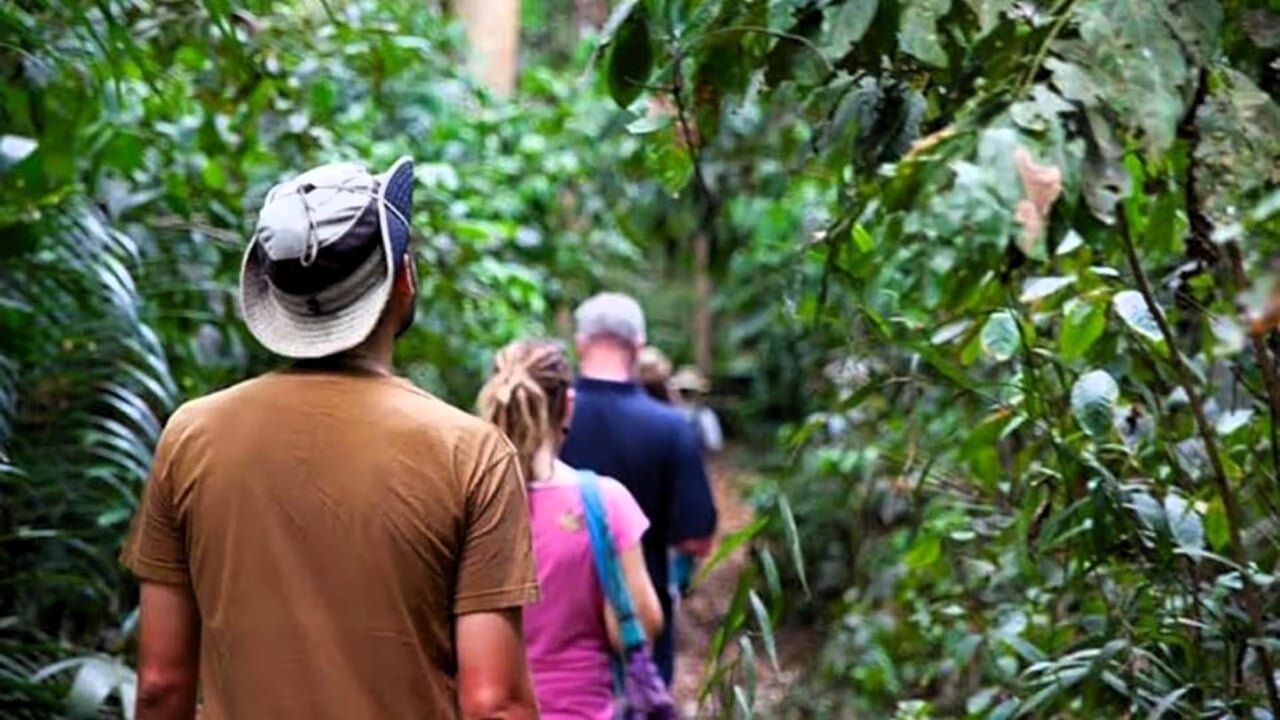
A short drive outside the city brings you to a working spice farm. Not a demonstration garden built for tourists - an actual place where spices are grown, harvested, and dried. Clove trees, cinnamon bark, vanilla orchids, nutmeg, black pepper.
Your guide picks leaves. Hands them to you. Fresh cinnamon smells completely different from dried. Turmeric root is bright yellow. You taste nutmeg while it's still raw. Understand, finally, why these plants were worth crossing oceans for.
The work of harvesting is shown. Drying in the sun. The economics explained: how much a pound of cloves costs, how many trees a farmer needs to sustain a family, how tourism has changed the economics of spice farming.
A simple lunch (rice, vegetables, maybe fish) is served on the farm. You eat what the land produces. By 4:30 PM, you're back in the city with dirt under your fingernails and the smell of spices in your clothes.
Pricing
Shared tours. Price per person depends on group size and season (higher Dec–Feb, lower shoulder months). Lunch on the farm is included.
| TICKET TYPE | PRICE PER PERSON |
|---|---|
| Adult (15+ years) | $75 |
| Child (6–14 years) | $40 |
| Infant (0–5 years) | Free |
Solo travelers pay premium because the guide runs regardless of group size. Larger groups bring per-person cost down. High demand year-round means booking ahead is smart.
What's Included
Professional guide (fluent in Zanzibar history and spice farming)
Spice farm entry & walking tour
Spice tastings (fresh and dried)
Lunch on the spice farm
Bottled water & refreshments
Hotel pickup/drop-off (Stone Town area)
Logistics: What You Need to Know
Start Time: 9:00 AM from your hotel (or Stone Town meeting point)
End Time: Around 5:00 PM back in Stone Town
Physical Demand: Moderate. Stone Town alleys are uneven and narrow. Comfortable walking shoes are essential. Spice farm involves standing and walking on plantation paths.
Best Time: Year-round. No seasonal limitations.
Group Size: 6–8 people maximum
Best For: History enthusiasts, culture-interested travelers, people who want substance over speed, couples, families with kids 10+.
What to Bring
Comfortable walking shoes (Stone Town alleys are uneven and narrow - not sandals)
Sun protection: hat, sunglasses, reef-safe sunscreen
Light, breathable clothing (you'll be walking through midday heat)
A camera if you want photos
Cash for lunch in Stone Town (your choice of restaurant)
Curiosity about actual history, not just pretty buildings
Who This Tour Works For
Do this if: You want to understand Zanzibar, not just see it. You're interested in history (real history, including difficult parts). You like walking and don't mind uneven ground. You want both culture and nature in one day. You prefer substance over packaged experiences.
Skip it if: You have limited mobility (Stone Town alleys are challenging). You want to avoid difficult historical truths. You need constant organized activities. You're not interested in agriculture or farm work.