)
Zanzibar Spice Tour: Visit a Real Working Farm & Cook with a Local Family
Why This Zanzibar Spice Tour Is Different
Not every spice tour offers the same experience. Many tours visit small demonstration gardens created specifically for tourists. Our tour takes you somewhere much more authentic. You'll spend time on a working family spice farm where farming is still part of everyday life. The spices you see are harvested, dried and used - not simply displayed
Cook Traditional Zanzibari Food With a Local Family
One of the highlights of the day comes after the plantation walk.
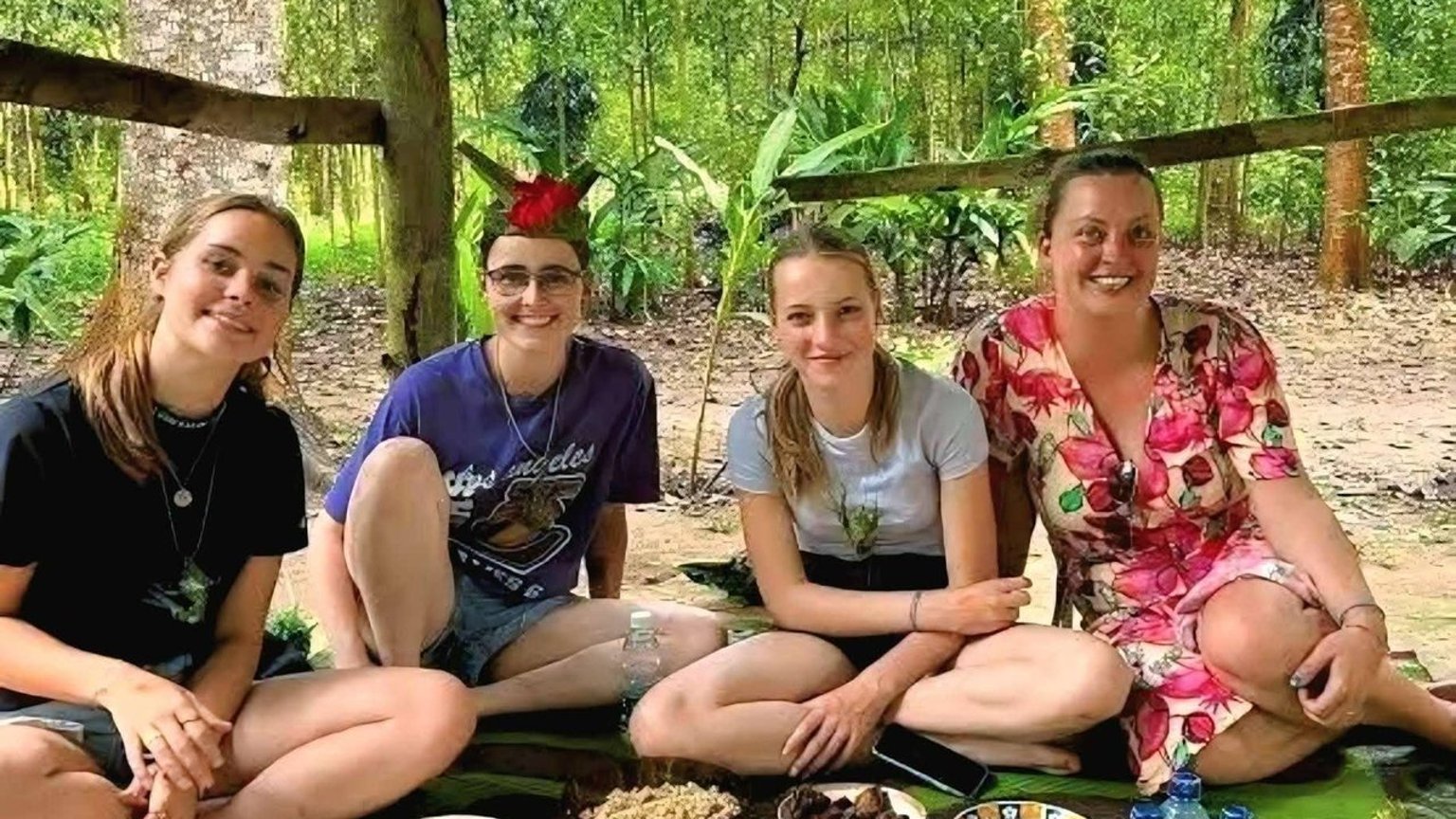
You'll be welcomed into a local family setting where you'll learn how traditional Zanzibari meals are prepared.
Together you'll cook up to four authentic dishes, learning how local spices are layered to create the rich flavours Zanzibar is famous for.
Depending on the day and seasonal ingredients, you may prepare dishes such as:
Pilau rice
Coconut bean curry
Chapati
Fresh vegetable dishes
Traditional sauces
Spiced tea
Afterwards everyone sits together and enjoys lunch.
For many guests, this shared meal becomes their favourite memory of the day.
Included in price
- Fresh spice and tropical fruit tasting
- Spice samples and souvenirs
- Hands-on cooking class (up to 4 dishes)
- Traditional lunch with a local family
Frequently asked questions
9:00 AM start, back by 1:00 PM. 4 hours total: 2 hours on the farm tasting spices, 1.5–2 hours cooking and eating with the family.
Real working farm. The spices are harvested and sold to markets. It's not a demonstration garden. You'll see actual farm work happening.
Absolutely. Solo travelers often connect deeply with the family experience. You'll be part of a small group, so not entirely alone.
You'll learn the process and taste the steps. You won't become a chef in 1.5 hours. But you'll understand how the dishes come together and be able to attempt them at home.
The guide speaks English fluently. The family might speak limited English or Swahili mostly. Communication happens through the guide. It's not a language barrier - it's part of the cultural exchange.