)
Things to Do in Arusha, Tanzania
A city that deserves more than one night. Culture, nature, coffee, and the day trips that make Arusha a destination rather than a transit point.

In this article:
Why Arusha Is More Than a Stopover
Arusha Doesn't Need the Serengeti to Earn Your Time
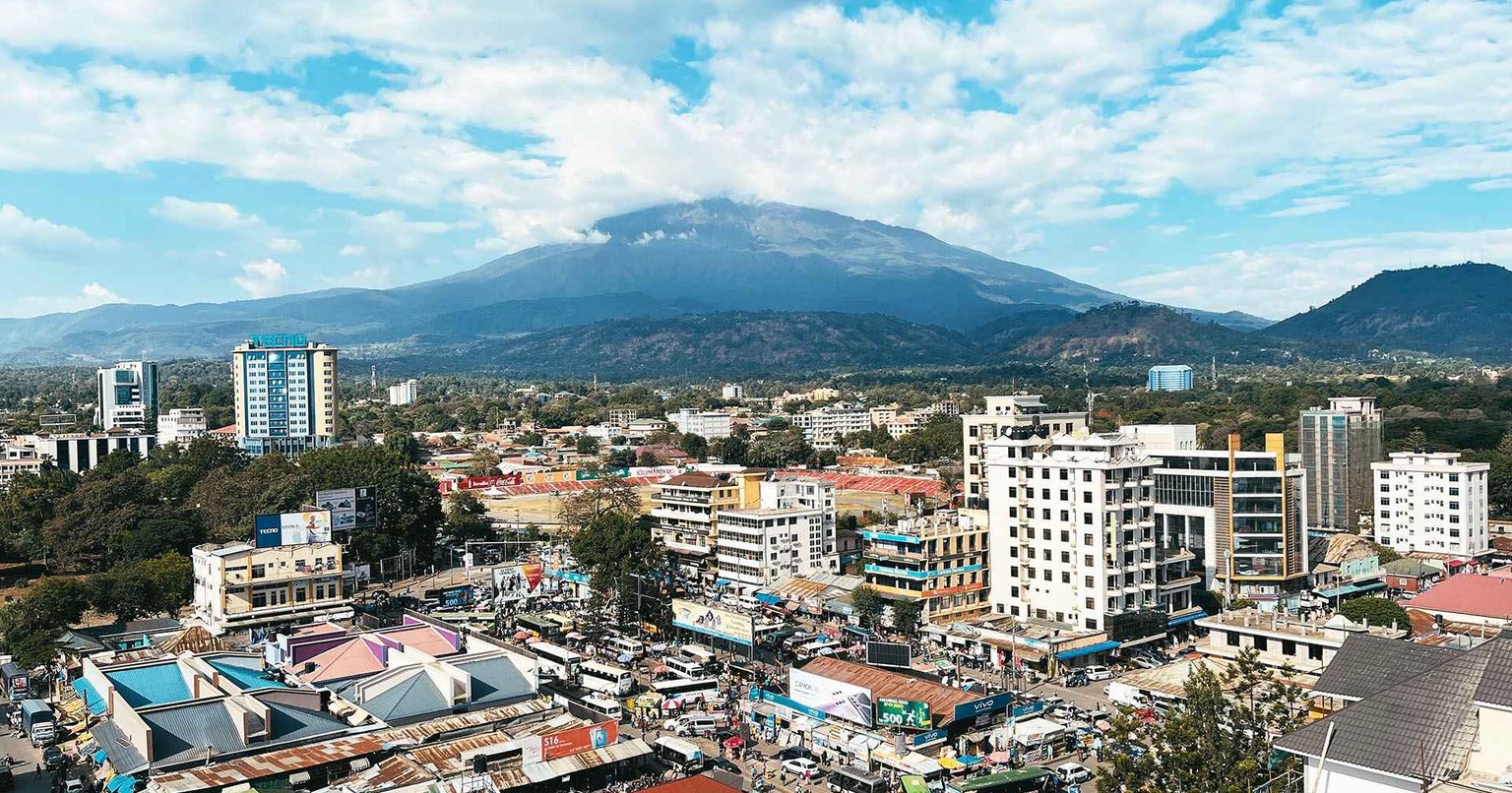
Arusha carries the unofficial title of Tanzania's safari capital, a label that has done the city a quiet disservice. Most travelers fly in, sleep one night, and head north at dawn. What they miss: a city with its own gravitational pull - active volcanic landscapes twenty minutes from the city center, an internationally recognized social enterprise employing dozens of deaf and disabled craftspeople, specialty coffee grown in Mount Meru's volcanic soil, and one of the most significant collections of African art and artefacts on the continent.
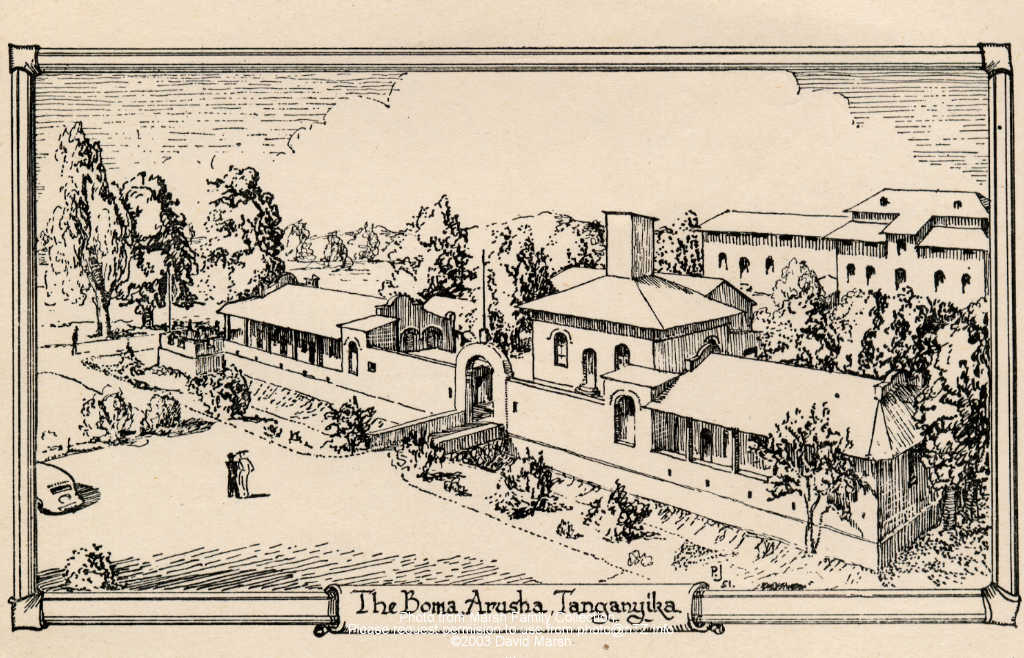
The colonial layer here is visible and unignorable - German military architecture from 1900 sits in the city center, and the legacy of the 1967 Arusha Declaration still shapes political conversation in Tanzania. Set against this history is a current of creative and commercial energy: coffee startups, cultural enterprises, and an NGO infrastructure that has made Arusha one of the most internationally connected cities in East Africa.
This guide covers what the city genuinely offers - verified, specific, and organized so you can build a real itinerary, not just a list.
Getting Around: For inner-city moves between the Old Boma, Cultural Heritage Centre, and town restaurants, use hotel-recommended taxi drivers. Save bajajis (three-wheelers) for short daytime crossings where you know the route. For Arusha National Park and Lake Duluti, book a vehicle through your accommodation - both require independent transport, and arranged drivers know the access roads.
Urban Culture & History
The Cultural Layer Most Travelers Skip
The Cultural Heritage Centre
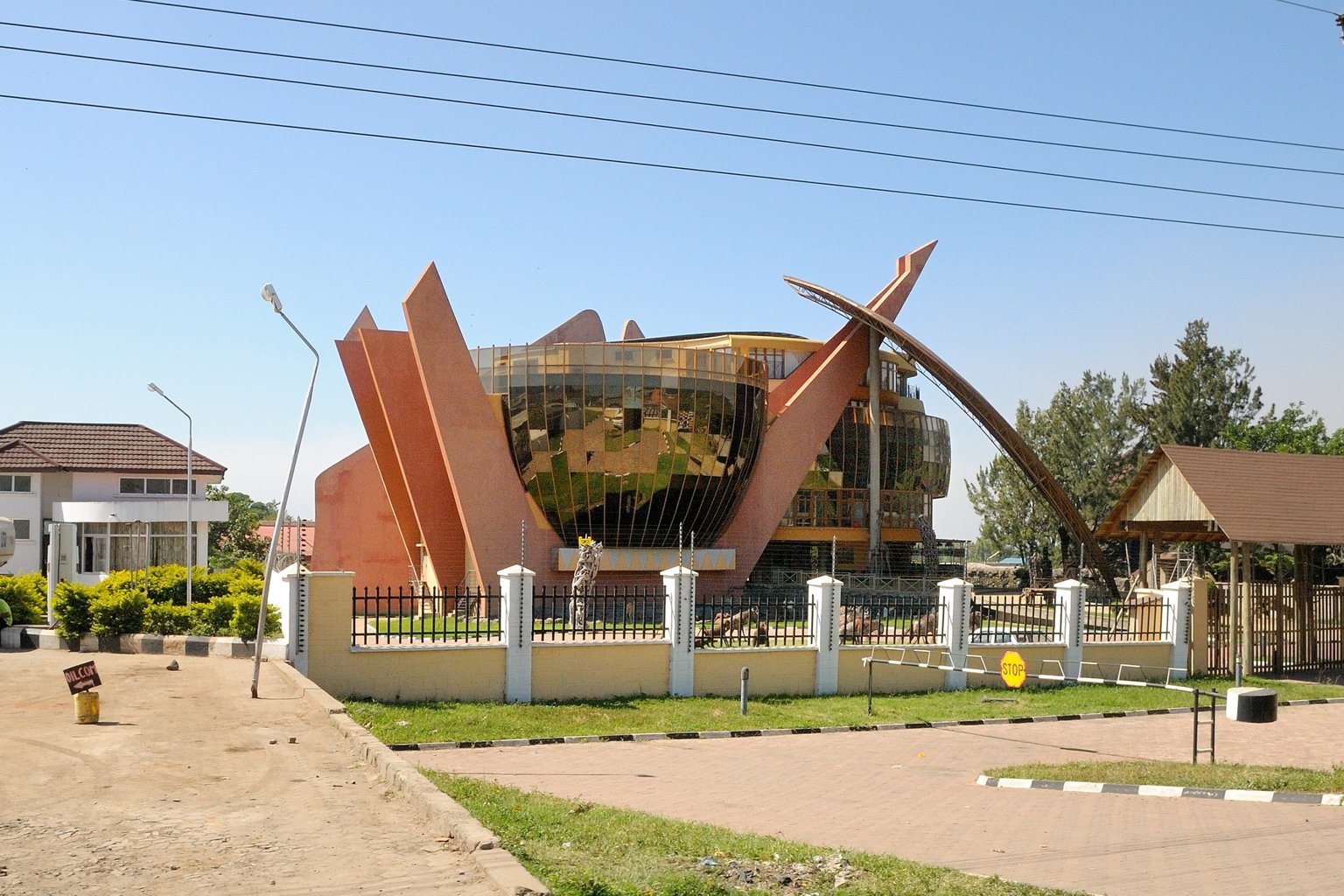
The Cultural Heritage Centre sits on the main Serengeti highway at the edge of Arusha and operates at a different scale from anything else in the city.
The compound's centrepiece Art Gallery building is designed to reflect traditional African symbols - drum, shield, and spear - which represent unity, protection, and strength. The main building itself is designed to evoke the summit of Kilimanjaro. Together they form an architectural statement that's unusual enough to stop people in the car park before they've entered.
Inside, the collection spans ancient ebony carvings, verdite sculptures, contemporary African paintings, handmade Tanzanian jewelry, and Tanzanite; the rare gemstone found only in the hills surrounding Arusha, mined 1,000 times less frequently than diamonds.
The managing director, Saifuddin Khanbhai, runs the operation with a level of personal knowledge that visitors consistently mention. The centre has hosted Kofi Annan and Bill Clinton. Jane Goodall is a frequent visitor, and a dedicated tribute building to her conservation work is in development.
The Insider Edge
Unlike the Maasai markets in the city, the Cultural Heritage Centre operates on fixed prices - no aggressive negotiation, no pressure. You can spend an afternoon here without fielding a single sales pitch. They handle secure international shipping on-site, which makes purchasing larger pieces practical. Check operating hours before visiting - occasional extended closures during prayer times have frustrated some travelers in recent reviews.
History Museum
The Natural History Museum (Old Boma)
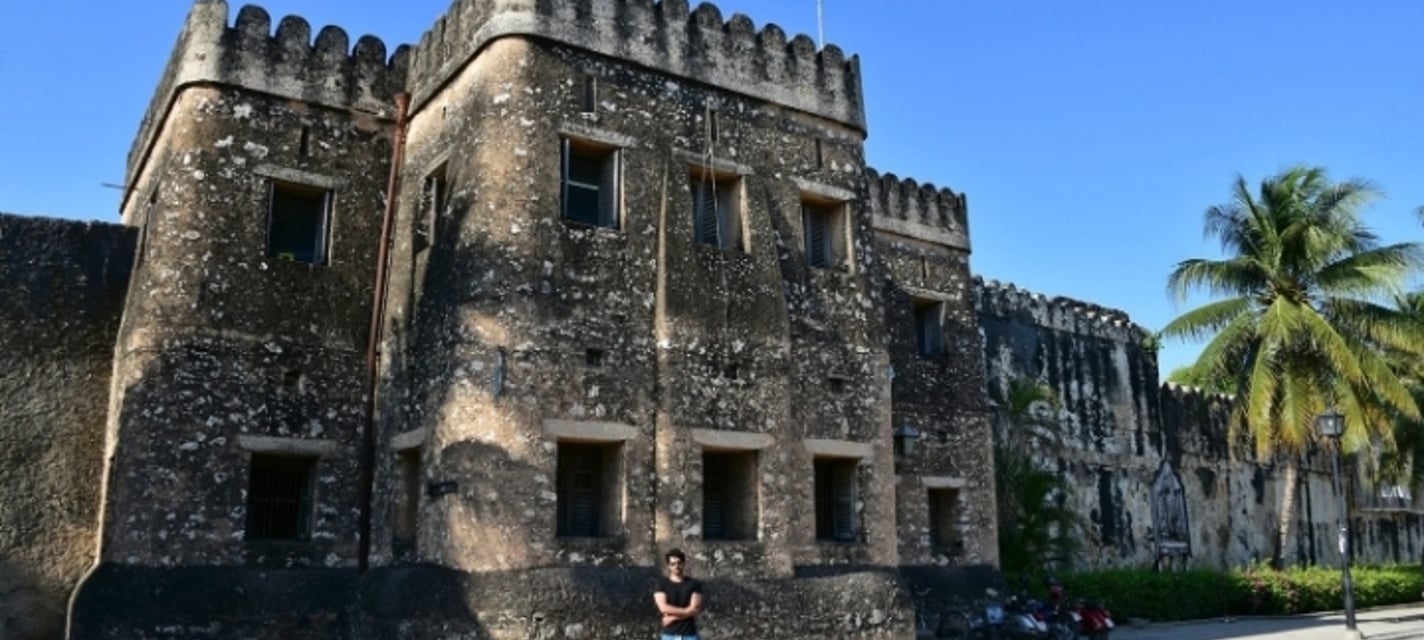
The Boma was built between 1899 and 1900 as a German military outpost, erected specifically to monitor the Meru and Arusha tribes whose resistance had just been suppressed. Defeated warriors were made to carry stone using their own shields to construct the compound. That history, brutal and specific, is the context in which you walk through the entrance. The compound's original approach road, lined with colonial-era trees, still exists and takes its name from the building.
The museum has three separate public buildings. The strongest is the human evolution wing: the wing dedicated to human evolution is best, since much of what we know about the topic came from fossils unearthed in Tanzania. Exhibits include a replica of the Zinjanthropus skull and artifacts from Olduvai Gorge. A second building covers the colonial history of Arusha. The third covers wildlife through taxidermy and extensive photography. The small outdoor botanical garden and fish pond add a quieter dimension for anyone wanting to decompress between buildings.
The Insider Edge
The colonial history section presents a somewhat rose-tinted view of the German administration - worth approaching critically rather than as received fact. The museum is compact and inexpensive, making it a good morning opener before heading to the Cultural Heritage Centre. Located at the end of Boma Road in the city center - easy walking distance from most hotels.
Social Enterprise · Workshop
Shanga at Arusha Coffee Lodge
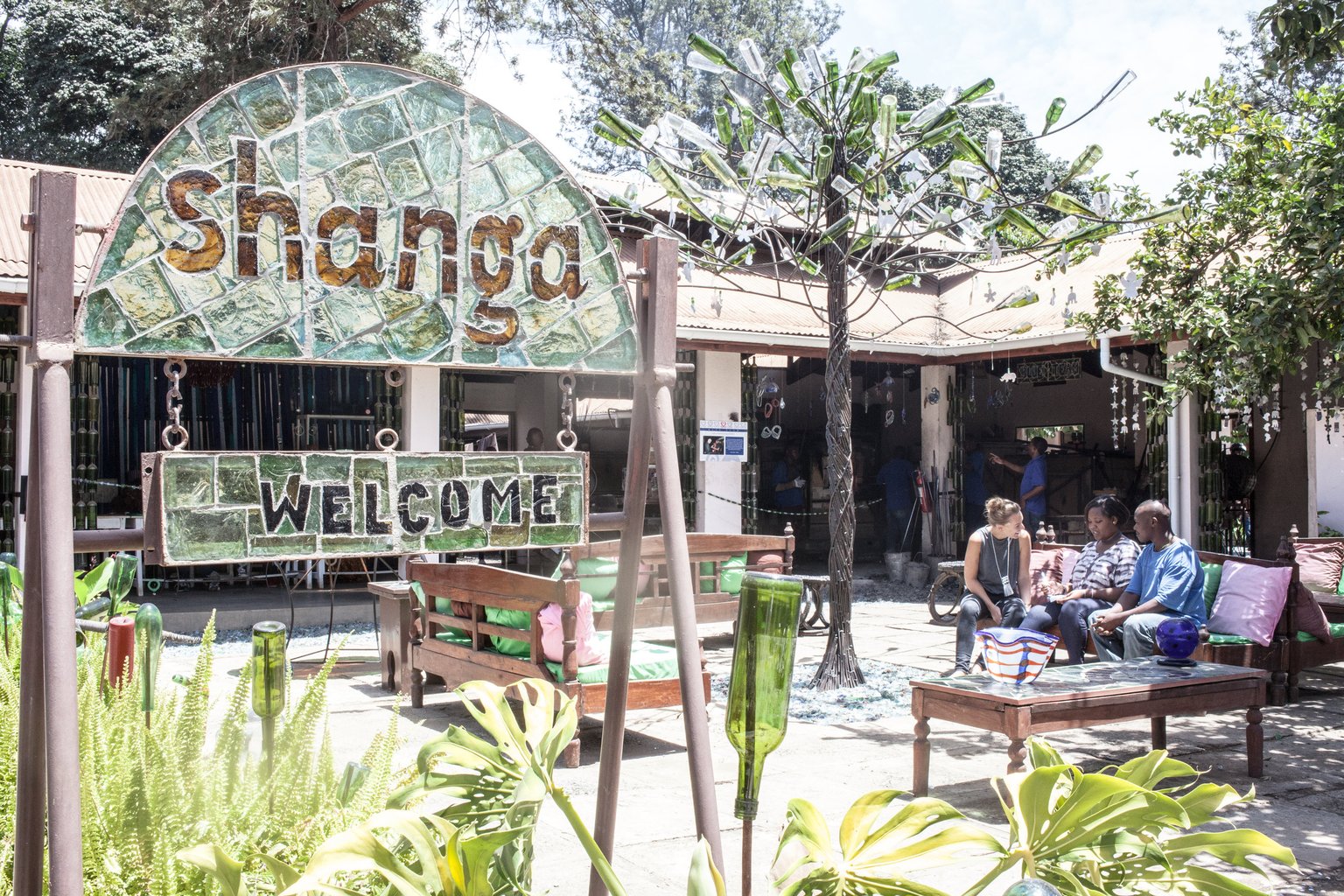
Shanga started in 2007 when local resident Saskia Rechsteiner made a handful of fabric necklaces for a Christmas fair. Today it employs more than 60 people - over half of them with some form of disability - in an open-air workshop on the grounds of Arusha Coffee Lodge.
The name means "bead" in Swahili. Everything produced here is made from recycled materials: glass bottles become blown glassware; fabric scraps become woven textiles; metal offcuts become jewelry. Profits are reinvested directly into employing more disabled Tanzanians.
The compound has stations for glass-blowing, weaving, Tinga Tinga painting, beadwork, and metal craft. Tours are free and personalised. Visitors can participate in glass-blowing or bead-making sessions - not as tourist activities, but as a genuine entry point into what the artisans do every day. Verbal communication can be limited at some stations (several artists are deaf), but every visitor account of this place notes that it communicates something that language doesn't need to carry.
The Insider Edge
Shanga is the single best place in Arusha to buy souvenirs without ethical compromise - everything is priced fairly, everything supports employment, and the quality is genuinely high. The attached café at Coffee Lodge is one of the most peaceful lunch stops in the city. Free sign language classes are offered on-site if you want an additional 30 minutes that will stay with you.
Low-Key Nature & Active Excursions
The Green Edges of Arusha
Lake Duluti
Twenty minutes southeast of Arusha, Lake Duluti sits inside a volcanic crater whose walls rise up to 200 meters above the water.
The lake is believed to be over 700,000 years old, fed by underground springs and seasonal rainfall. Its estimated depth - around 700 meters - has never been fully confirmed. What is clear is the surface: calm, dark, and completely still on most mornings, reflecting the forested crater walls back at you from the canoe.
The canoe is the right way to experience this. Guided trips run 1.5 to 2.5 hours and take you close to the papyrus beds where giant kingfishers, fish eagles, darters, and cormorants nest. More than 130 bird species have been recorded in the Duluti Forest Reserve surrounding the lake. A circular hiking trail of approximately 4 kilometers runs along the crater rim - forest-shaded, steep in places, and worth the views over the water at the top. Monkeys move through the canopy above the trail.
The Insider Edge
Avoid midday. Go around 4pm when the light flattens and the water turns completely glassy - in the late afternoon, hundreds of cattle egrets descend to roost on the lakeside trees. Early morning works equally well for birdwatching. The trail can be slippery after rain; check weather before going. There are no large accommodation options at the lake, making this a half-day trip from Arusha rather than an overnight.
National Park · Walking Safari
Arusha National Park
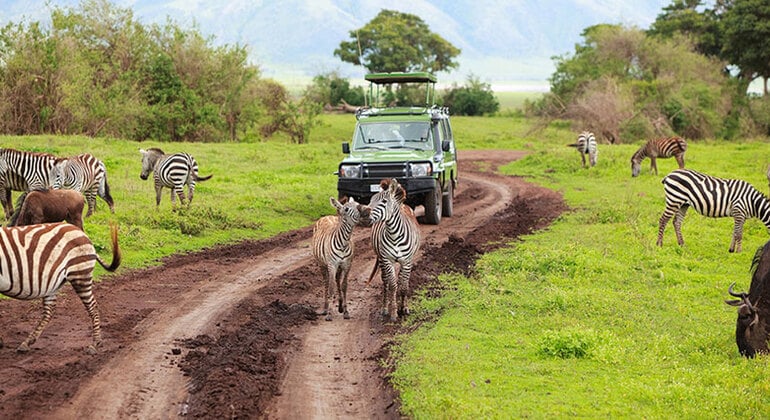
Most travelers overlook Arusha National Park for its larger, more famous neighbors. This is their mistake. The park sits 40 minutes from the city and offers something none of the northern circuit parks can: a guided walking safari alongside an armed ranger. On foot, at giraffe height, the scale of the bush changes completely. Herds of cape buffalo graze in the open grasslands. Black-and-white colobus monkeys jump between the fig trees above the Ngurdoto Crater forest. Waterbuck, zebra, warthog, and the occasional elephant move through terrain that is compact enough to cover meaningfully in a single day.
The Momella Lakes inside the park host flamingos depending on the season. On a clear morning - which most mornings in the dry season are - the eastern wall of Mount Meru rises behind the lakes in a way that no photograph fully captures. This is one of the best views of Meru available from any park in Tanzania, without the altitude and without the crowd.
The Insider Edge
Book the walking safari specifically - not just a vehicle game drive. The on-foot experience here is what separates Arusha National Park from everything else on the northern circuit. Depart by 7am to catch the morning light and avoid the heat. The park is significantly quieter than Serengeti or Tarangire, which means wildlife sightings feel personal rather than performative.
Crop to Cup
The Coffee Culture at Mount Meru's Feet
The volcanic soil on the slopes of Mount Meru is among the best coffee-growing terroir in East Africa. Arusha sits at altitude, with consistent rainfall patterns and temperature variation that produce Arabica beans of serious quality. The city has one of Tanzania's most active specialty coffee scenes, and doing a plantation tour here is not a tourist add-on, it's a genuine agricultural experience.
Arusha Coffee Lodge Estate
The Lodge runs a full crop-to-cup tour on its working coffee estate. The process - picking ripe red cherries, wet-hulling, sun-drying, roasting over a wood fire, and grinding - takes a few hours and ends with a cup of the estate's own blend. The tour is well-organized and best suited to travelers staying at the Lodge or those who want a structured, premium experience.
Mount Meru Smallholder Farms
Local operators run community-focused tours on the lower slopes of Mount Meru, visiting smallholder Chagga and Meru farmers. These are more informal and more intimate - typically a family farm rather than a commercial estate, with Swahili-language explanations and a rougher roasting process over an open fire. The cup at the end is excellent. Book through your accommodation's recommended operator.
The coffee tour ends your relationship with instant coffee. The roasting step - green beans into a hand pan over wood smoke, stirred continuously until they crack and darken - produces an aroma that becomes the sensory benchmark against which everything else is judged. The freshly brewed cup that follows is the point of the entire exercise.
Where to Drink Coffee in Arusha
The coffee shop at Shanga (Arusha Coffee Lodge grounds) serves the estate's own blend in a quiet garden setting - one of the most peaceful cups in the city. In town, the café at the Cultural Heritage Centre is reliable. For a working-café environment, most hotels near the city center can recommend the current best option - the specialty scene shifts often enough that live local knowledge beats any printed list.
Arusha Day Trips
Where to Go Beyond the City
Kikuletwa Hot Springs (Chemka)
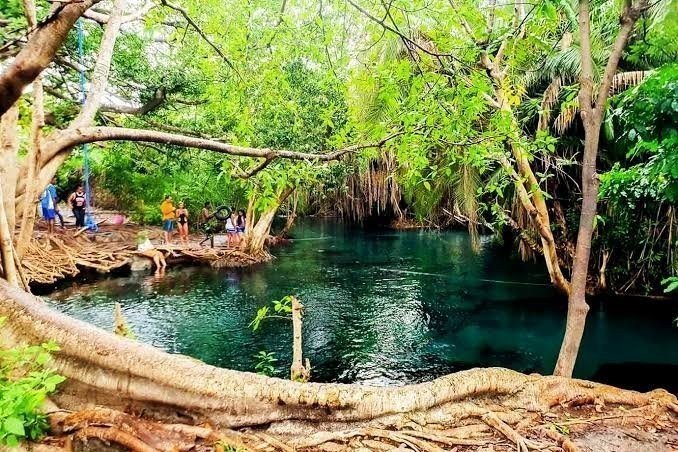
Do not let "hot springs" mislead you. The water at Kikuletwa is crystal-clear and naturally lukewarm - comfortable for swimming rather than thermal bathing. It wells up from a geothermal spring underground into a lagoon ringed by ancient, twisted fig trees whose roots reach the water's edge. The clarity of the water is what most visitors remember: you can see every detail of the sandy floor several meters below. The drive from Arusha takes approximately two hours toward Moshi.
The springs draw a mix of international travelers and Tanzanian day-trippers. On weekdays, the atmosphere is calm and the lagoon relatively uncrowded — good for swimming and quiet afternoon recovery. On weekends, the volume rises considerably: local music, groups, and a more social atmosphere. Neither version is wrong; they're different experiences of the same place.
The Insider Edge
Go on a weekday if you want the quieter version. Book shared transport from your hostel or guesthouse in Arusha - splitting the vehicle cost with other travelers reduces the price significantly compared to a private hire. Bring snacks and lunch; the on-site food options are limited. The rope swings and submerged platforms are not maintained infrastructure - use them with appropriate judgment.
Transport Note: All Arusha day trips require arranged transport. Kikuletwa is too far for a bajaji. Arusha National Park requires a 4x4 or organised tour vehicle for the game drive portion. Book through your accommodation's trusted driver network - this is the most reliable and economical approach for solo and small-group travelers.
Common Questions
Two to three days covers the city properly - one for culture (Cultural Heritage Centre, Old Boma, Shanga), one for a nature excursion (Lake Duluti or Arusha National Park), and one for a full-day trip to Kikuletwa. Travelers with one day can combine the cultural sites in a morning and Lake Duluti in the afternoon.
Arusha is the safari capital of Tanzania - the gateway to the Serengeti, Ngorongoro, Tarangire, and Lake Manyara. Beyond that: rich colonial history, specialty coffee from Mount Meru's volcanic slopes, Shanga (one of East Africa's most respected social enterprises), and a geographic location that gives it nature access that larger cities can't match.
Kikuletwa Hot Springs (Chemka) for a social, swimming-focused day. Arusha National Park for wildlife and a walking safari without crowds. Lake Duluti for a shorter, quieter nature experience that works as a half-day. Your choice depends on how much time you have and what the day is for - recovery, activity, or wildlife.
Yes. Arusha Coffee Lodge offers a full estate tour on its working plantation. Smallholder farm tours on Mount Meru's slopes are available through local operators and tend to be more intimate. Both include the full process from picking through roasting to brewing. Either version ends with a cup that changes how you think about the morning drink you've been having at home.
Shanga is a social enterprise on the grounds of Arusha Coffee Lodge that employs over 60 Tanzanians - more than half with disabilities - to produce glass, textiles, jewelry, and homewares from recycled materials. Entry and tours are free. Participation in glass-blowing or bead-making is available. Products are genuinely high quality and priced fairly. It is consistently one of the most memorable stops in Arusha for travelers who visit.
Continuing to the Coast?
Most northern circuit travelers end their Tanzania trip in Arusha. The better plan is to keep going - Zanzibar is a short flight from Kilimanjaro Airport and a different world entirely.
Explore Zanzibar →Browse All Guides
Last Updated: June 2026. All attractions and experiences verified as currently operating.
Note: Opening hours and access for Shanga, Cultural Heritage Centre, and Arusha National Park can vary seasonally. Confirm with your accommodation before visiting.