)
Is Tanzania Safe to Visit Right Now? The Verified Ebola Outbreak Guide
What the outbreak actually covers, what it doesn't, where Tanzania sits in the picture, and what travelers with confirmed bookings need to know.


In this article:
The Current Situation
What Is Happening and Where
The 2026 Ebola outbreak is real, serious, and confined. It is real in the sense that as of May 29, 2026, 1,262 suspected and confirmed cases and at least 241 deaths have been reported. It is serious in the sense that the WHO Director-General declared a Public Health Emergency of International Concern before convening an Emergency Committee! The first time a Director-General has used this authority in that sequence.
On May 5, 2026, WHO was alerted to a high-mortality outbreak of unknown illness in Mongbwalu Health Zone, Ituri Province, DRC. Laboratory analysis on May 15 confirmed Bundibugyo virus disease in eight of thirteen samples - a species of Ebola. The speed of the declaration reflects the severity of concern at the regional level. WHO assesses the risk as high at the national and regional levels, and low at the global level.
Tanzania Status — June 1, 2026
Zero confirmed, probable, or suspected cases
Tanzania's tourism industry is operating at full capacity. International flights are landing normally at Kilimanjaro (JRO), Dar es Salaam (DAR), and Zanzibar (ZNZ). No country has issued a Tanzania-specific travel advisory in response to this outbreak. The country is classified by WHO as a monitoring-priority state due to regional proximity, not active transmission.
About the Bundibugyo Strain
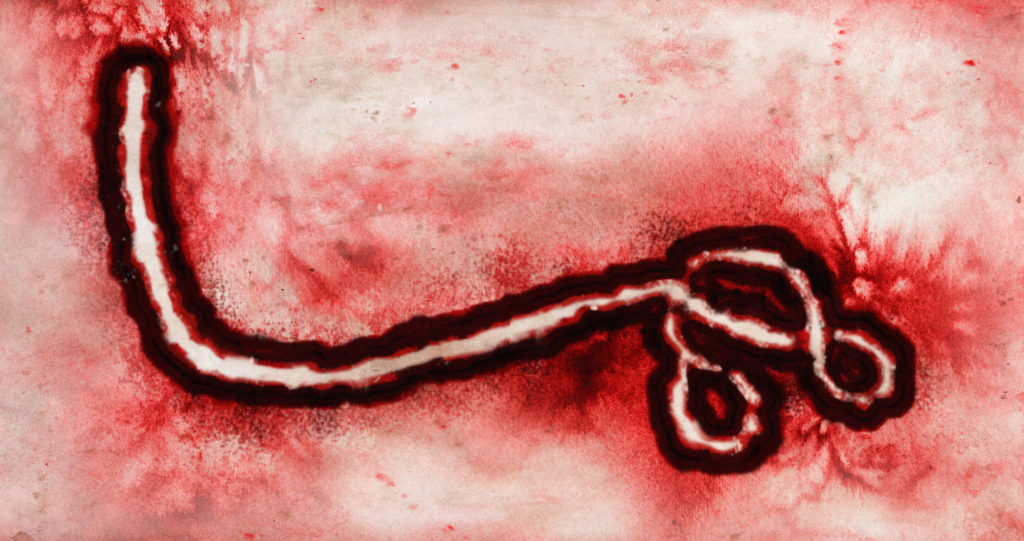
The Bundibugyo species of Ebola virus was first identified in Uganda in 2007 and has historically been associated with somewhat lower case fatality rates than other species of Ebola virus disease, though severe disease and death can still occur.
Bundibugyo virus does not spread through respiratory droplets or casual contact. Transmission requires direct contact with bodily fluids from a person who is actively symptomatic. This biological characteristic is important context - but it does not diminish the seriousness of the outbreak in affected regions. It does, however, explain why geographic separation matters: this is not an airborne pathogen spreading invisibly across borders.
The epidemic is caused by the Bundibugyo ebolavirus, which may complicate response efforts as existing Ebola treatments were created for a different strain, the Zaire ebolavirus. This is a significant challenge for responders in DRC and Uganda. For travelers to Tanzania, it is background context, not a direct risk factor.
The Geographic Reality
How Far Tanzania Is From the Outbreak
The most common driver of travel anxiety in situations like this is the word "Africa" - used as if it describes a single location rather than a continent larger than China, the US, and Western Europe combined. The active outbreak zone is in Ituri Province, northeastern DRC. Here is what that means in distance terms for Tanzania's main traveler destinations.
| Tanzania Destination | Distance from Ituri, DRC | Operational Status |
|---|---|---|
| Serengeti National Park | Over 900 km | Fully operational |
| Moshi / Kilimanjaro Base | Over 1,100 km | Fully operational |
| Arusha | Over 1,050 km | Fully operational |
| Zanzibar Archipelago | Over 1,600 km | Fully operational |
| Dar es Salaam | Over 1,500 km | Fully operational |
The Ituri region is far from the Tanzanian border and even farther from the country's tourist regions. Natural geographic barriers - the Rwenzori mountain range, vast national parks, and Lake Tanganyika - physically separate the outbreak zone from Tanzania's northern corridor. There are no direct land routes from the active transmission zones to Tanzania's main entry points that bypass multiple international border controls.
To calibrate this distance: canceling a trip to Moshi because of a localized outbreak in Ituri Province is geographically equivalent to canceling a holiday in Lisbon because of a health event in Istanbul. Reputable operators have confirmed this directly:
“Africa is not a single place, and an outbreak in a remote province of the DRC is no more a reason to cancel a trip to Rwanda than an outbreak in one part of Europe would be a reason to cancel a trip to another. Context is everything.”
What Travel Advisories Actually Say
The Full Advisory Picture - Including What the Original Headlines Miss
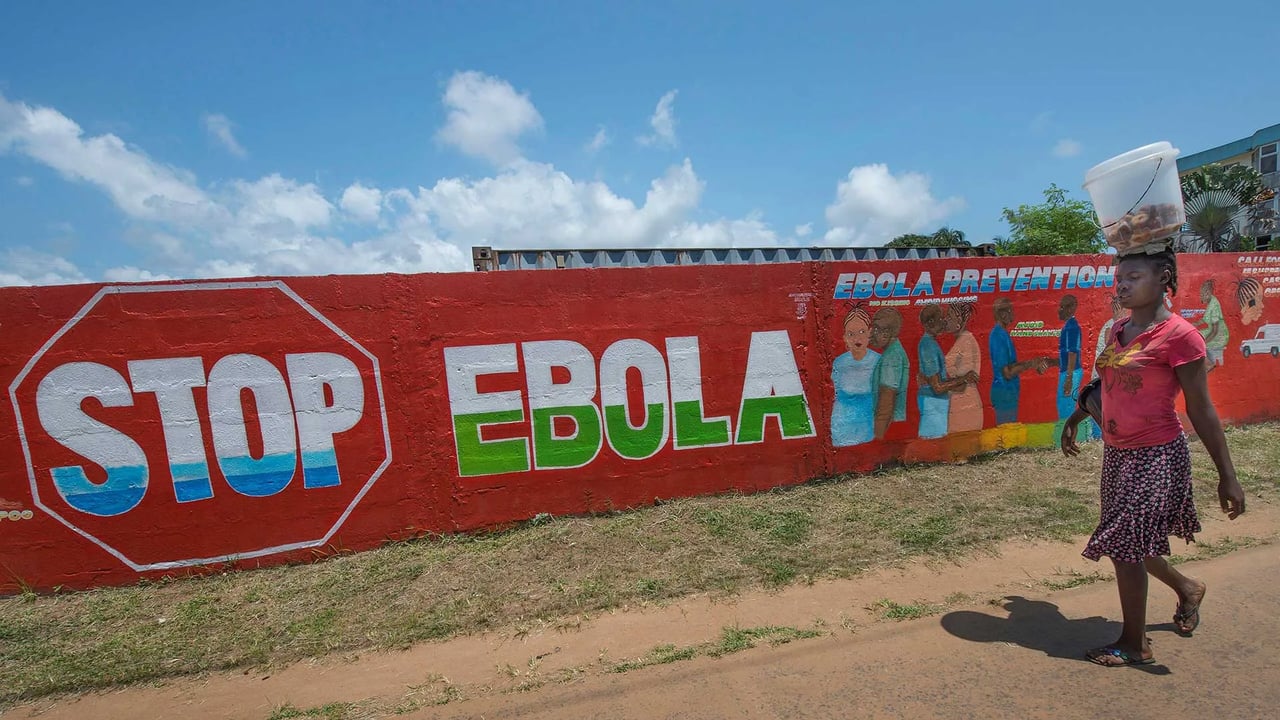
This section requires precision because the advisory landscape is specific, and it matters for travelers making booking decisions.
US State Department - Tanzania Advisory
Important Context - Pre-existing Advisory
Tanzania is currently rated Level 3 by the US State Department
This "Reconsider Travel" designation was issued in October 2025 and relates to unrest and crime concerns - not Ebola. It is not a new development tied to the 2026 outbreak. No additional Tanzania-specific advisory has been issued in response to the Ebola situation. The DRC and Uganda advisory levels were raised to their highest tier (Level 4) in response to the outbreak. Tanzania's advisory level has not changed since October 2025. Travelers should be aware of this Level 3 designation as background context for their trip regardless of the current health situation.
CDC - Countries Under Travel Restrictions
On May 15, 2026, CDC issued a Level 1 Travel Health Notice for people traveling to Uganda and a Level 3 Travel Health Notice for people traveling to DRC. As of May 21, 2026, all US-bound American citizens and lawful permanent residents who have been present in the Democratic Republic of the Congo, Uganda, or South Sudan within 21 days of arrival in the United States must only enter through Washington Dulles International Airport for enhanced screening. Tanzania is not on this list.
The US Department of State raised travel advisories for DRC and Uganda to the highest level. No similar changes were made for Tanzania.
Tanzania's Own Response
On May 18, the Tanzanian government issued a travel advisory announcing enhanced public health measures at all points of entry due to the outbreak of Ebola disease in the Democratic Republic of the Congo and Uganda. This means Tanzania is actively monitoring and screening - which is the appropriate precautionary response, not an indicator of internal transmission.
What This Means in Practice
No country has advised against travel to Tanzania in response to Ebola
The absence of a Tanzania-specific outbreak advisory reflects the epidemiological reality: no transmission, significant geographic distance, and active border screening. Travelers coming from DRC, Uganda, or South Sudan face enhanced scrutiny. Travelers arriving from other points of origin do not.
At the Border
What Happens When You Arrive in Tanzania
Tanzania's Ministry of Health activated enhanced entry protocols from May 18, 2026. These are standard public health precautions consistent with WHO guidance for neighboring countries in a PHEIC situation. Here is the sequence every traveler will encounter:
Pre-arrival health form (conditional)Travelers arriving from or transiting through DRC, Uganda, or South Sudan must complete a health surveillance form before entry. All other travelers are not subject to this requirement but may encounter routine health questions at immigration.
Thermal scanning at all international airportsEvery passenger arriving at JRO, DAR, and ZNZ passes through thermal scanners managed by port health officials. This is a brief, non-intrusive step in the arrival sequence.
Visual health screeningPort health officers conduct visual checks and may ask brief questions about recent travel history and current health. This applies to all international arrivals.
Isolation protocol (contingency only)In the event that a passenger presents with high fever or other symptoms consistent with viral hemorrhagic fever, dedicated medical response teams are stationed on-site. This is a contingency protocol, not a routine step, and has not been triggered by any Tanzania arrival to date.
Add 10–15 minutes to your expected immigration processing time to account for the screening steps. Beyond that, arrival procedures at Tanzanian airports are normal.
For Travelers With Confirmed Bookings
Existing Bookings: What to Actually Do
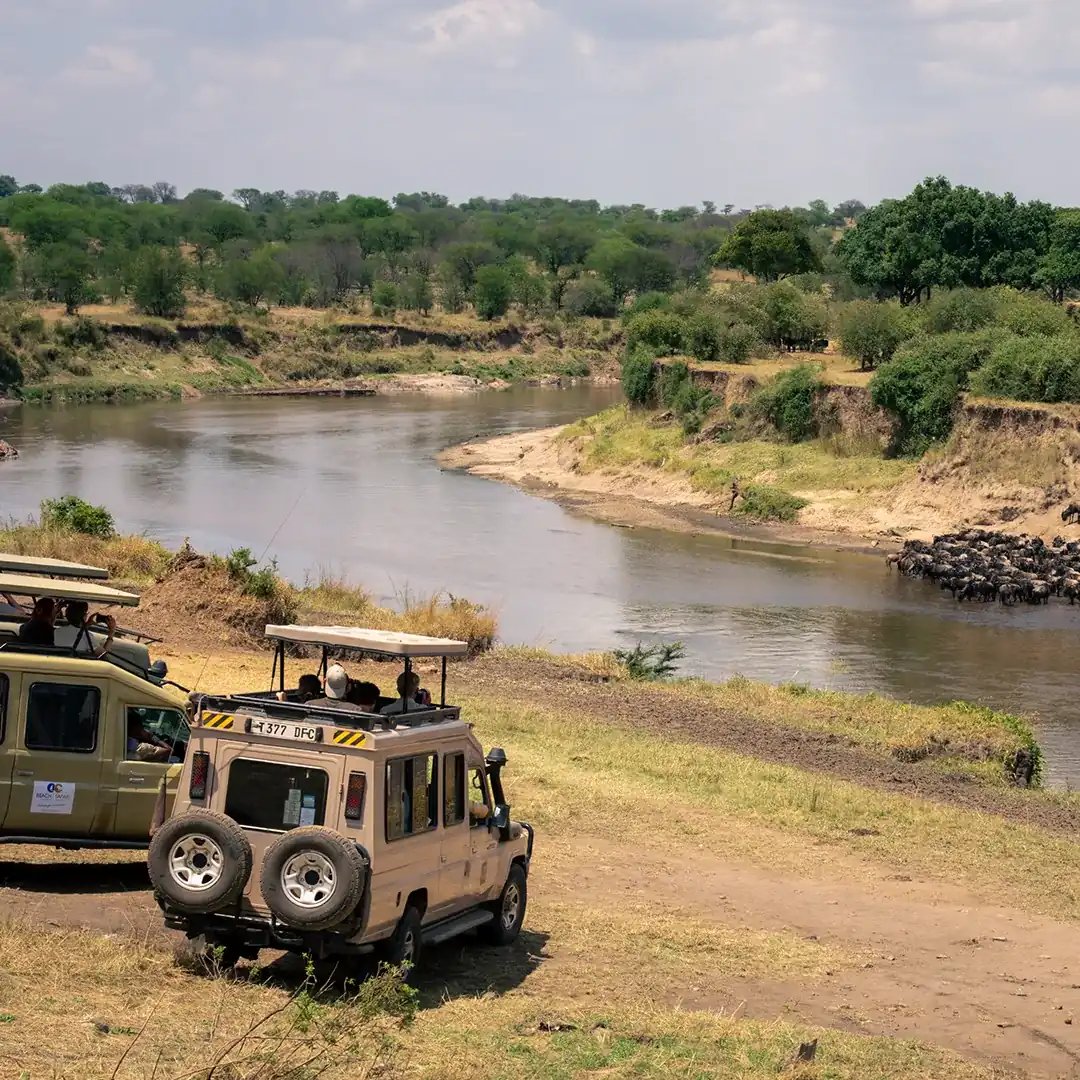
If you are holding a confirmed booking - safari package, lodge reservation, climbing permit - and are weighing whether to proceed, here is a clear-headed framework for that decision.
Check Your Insurance Policy Before Anything Else
Do not assume what your policy covers. Contact your travel insurer directly and ask two specific questions: (1) whether the current situation constitutes a trigger for your coverage, and (2) what documentation would be required to make a claim. Insurance policy terms vary significantly. Standard policies typically define coverage triggers by official government advisories - if no advisory recommends against travel to Tanzania, most standard policies will not pay out on fear-based cancellation. Cancel For Any Reason (CFAR) policies offer more flexibility but typically reimburse at 50 - 75% of the booking value.
The essential point: get the answer in writing from your insurer before making any decision about your booking.
Contact Your Operator
Reputable Tanzania operators have been proactively communicating with clients since the PHEIC declaration. Safari operators have been proactive in communicating with clients about the current situation, assuring guests that the situation has no bearing on planned Tanzania trips. If your operator has not reached out, call them directly. Ask about their specific cancellation and rebooking terms, whether any internal policy changes apply, and what monitoring they are doing on the ground.
Monitor the Situation
The outbreak is evolving. Case counts have increased significantly week-over-week since the PHEIC declaration. Within ten days of the WHO PHEIC declaration, the outbreak produced its first intercontinental cases through cross-border movement of patients and aid workers. Tanzania's status remains clear, but travelers should track it actively through the sources listed at the bottom of this article rather than through social media or secondhand reporting.
Decision Framework
Three questions to answer before deciding
1. Has Tanzania's status changed? Check WHO and CDC directly for the most current case reporting.
2. What does your insurer say? Get written confirmation of coverage terms before canceling anything.
3. What is your operator offering? Many are extending no-fee rebooking windows voluntarily. Ask before assuming you're locked in.
Health Guidance
If You Feel Unwell During or After Your Trip
This section applies to all travelers transiting through East Africa, not Tanzania specifically - but it is a required part of any responsible travel health guide on this subject.
During your trip: If you develop fever, intense headache, severe muscle pain, fatigue, or unexplained bleeding, notify your accommodation immediately. Do not self-diagnose. Tanzania has port health infrastructure and your operator or hotel will have a contact protocol. Do not travel onward until you have been assessed.
After returning home: If you develop any of the symptoms above within 21 days of returning from East Africa, contact a healthcare provider by phone before going in person. Inform them explicitly of your travel history - where you went, when you returned, and whether you had any contact with people from DRC or Uganda. Early disclosure of travel history is the most important thing you can do for accurate assessment. These symptoms are far more likely to indicate malaria, typhoid, or another common traveler's illness than Ebola - but your doctor needs the travel context to assess correctly.
Do not rely on search engines or social media for medical guidance. Use the official resources linked in the sources section below.
Common Questions
Does Tanzania have any confirmed Ebola cases in 2026?
No. As of June 01, 2026, Tanzania has zero confirmed, probable, or suspected Ebola cases. The outbreak is confined to DRC and Uganda. Tanzania is listed as a monitoring-priority country by WHO due to regional proximity, not active transmission.
Is there a travel advisory against visiting Tanzania?
The US State Department rates Tanzania at Level 3 (Reconsider Travel) - issued in 2025 for unrest concerns, not Ebola. No country has issued a Tanzania-specific advisory in response to the 2026 outbreak. Tanzania's tourist regions (Serengeti, Kilimanjaro, Zanzibar) have not been separately flagged by any government.
Are safaris, Kilimanjaro climbs, and Zanzibar trips operating normally?
Yes. All tourism operations in Tanzania are running at full capacity. International flights are landing normally at JRO, DAR, and ZNZ. No tour operators or park authorities have suspended activities.
Which countries' travelers face enhanced screening at Tanzania's borders?
Travelers arriving from or transiting through DRC, Uganda, or South Sudan must complete a health surveillance form before entry and face additional health questions at the border. All other travelers pass through standard thermal screening. Arrival processing is running normally for the majority of international visitors.
Will my travel insurance cover me if I cancel a Tanzania trip now?
This depends entirely on your specific policy. Contact your insurer directly before making any cancellation decision. Standard policies typically link coverage triggers to official government travel advisories - since no advisory recommends against travel to Tanzania, many standard policies will not pay out on fear-based cancellation. CFAR policies offer flexibility but typically reimburse at 50–75% of value. Get written confirmation from your insurer of what applies to your booking.
What should I do if I feel sick during or after travel to Tanzania?
If you develop fever, headache, muscle pain, or unexplained bleeding within 21 days of returning from East Africa, contact a healthcare provider by phone and disclose your full travel history immediately. Do not go to a clinic or hospital without calling first. These symptoms are far more likely to indicate malaria or typhoid than Ebola - but accurate travel disclosure is essential for correct clinical assessment.
Where should I monitor updates on this situation?
Use primary sources only: the WHO Disease Outbreak News page, the CDC Ebola situation summary, the US Embassy Tanzania alerts page, and the Tanzania Ministry of Health official communications. Social media and travel forums are not reliable sources for outbreak updates and frequently amplify inaccurate information.
Verified Sources
WHO WHO Disease Outbreak News — Bundibugyo virus, DRC and Uganda (May 2026)
WHO WHO IHR Emergency Committee Temporary Recommendations (May 22, 2026)
CDC CDC Health Alert Network — Ebola Disease Outbreak, DRC and Uganda
US Embassy US Embassy Dar es Salaam — Health Alert, May 22, 2026
State Dept US State Department — Tanzania Travel Advisory (Level 3)
Wikipedia 2026 Central Africa Ebola Epidemic — Case counts and timeline