)
Solo Travel in Moshi: The Ultimate Guide to Basecamp Life
Safety, neighborhoods, hostels, group tours, and everything else you need before you arrive alone at the foot of Africa's highest mountain.


Why Moshi Works for Solo Travel
This Is Where Solo Travelers Find Their Feet in East Africa
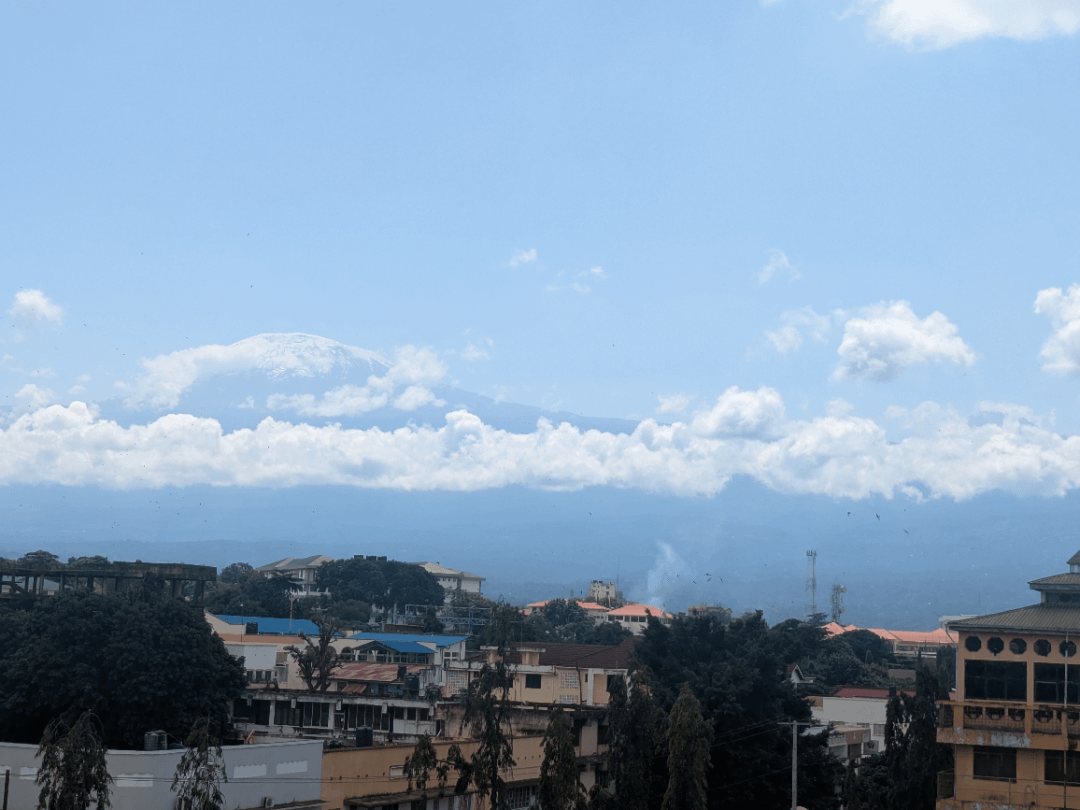
Moshi wakes up early. By 6am the vegetable sellers are already set up on Chagga Street, the boda-boda riders are calling for passengers, and somewhere through the morning haze - if the clouds cooperate - the white summit of Kilimanjaro is visible from almost every corner of town. This is the starting point for tens of thousands of climbers a year. It is also, quietly, one of the best solo travel destinations in Tanzania.
The hesitation is understandable. East Africa as a solo destination still carries a weight of caution in the minds of first-time independent travelers. You have questions about safety. About navigating an unfamiliar town without a group. About what to do if something goes wrong and you don't know anyone within 5,000 kilometers.
The reality in Moshi is gentler than the anxiety suggests. The town's entire economy is oriented around international visitors - climbers, safari-goers, volunteer workers, and backpackers passing through. Local people are accustomed to strangers, English is widely spoken, and the hostel culture is some of the warmest in East Africa. You will meet other solo travelers on your first evening. This is not a destination where you have to work to find your footing.
Solo travel in Moshi works because the town is compact enough to navigate on foot, social enough to prevent isolation, and positioned perfectly as a launchpad - for Kilimanjaro, for safari, and for the coast. What it requires from you is basic awareness, a few practical rules, and the willingness to stop being nervous about arriving alone.
This guide covers the specifics: where to stay, what to watch out for, who to trust, and how to spend your time here without wasting it.
Solo Safety in Moshi
The Honest Safety Picture
Moshi is safe. It is not risk-free, no city is, but it sits well below the safety threshold that should concern a reasonably experienced traveler. Violent crime against tourists is rare and not what defines the risk landscape here. What you're actually managing is a simpler set of issues: petty theft, street hustlers, and late-night lapses in judgment.
Petty Theft
Phones and bags left on café tables, pockets on crowded daladala buses, or valuables worn openly in the market—these are the vulnerability points. The fix is habit, not fear: keep your phone in a front pocket or a secure bag, don't pull out large amounts of cash in public, and stay aware in busy market areas. This is the same discipline you'd apply in any mid-sized city. Nothing Moshi-specific requires paranoia.
The Flycatchers
You will meet them within hours of arriving. Flycatchers are unlicensed street touts who position themselves near bus stations, hotels, and known arrival points. They offer tours, currency exchange, "my cousin's guesthouse," and unsolicited guidance. Most are harmless - their intention is commission, not threat. But their persistence and the fact that they may steer you toward substandard services makes them worth addressing directly.
The phrase you need is Hapana asante "No, thank you" in Swahili. Delivered clearly and without breaking stride, it signals that you know how things work. Avoid lengthy explanations, negotiating on the street, or showing curiosity about their offers - this prolongs the interaction without benefit. A polite, firm decline is always enough. If someone follows you beyond that, walk toward any shop or café and step inside. They will not follow.
Swahili Basic phrases worth knowing before you arrive
Hapana asante — No, thank you. Works for most street interactions.
Sijui — I don't know / I don't understand. Ends conversations politely.
Bei gani? — How much? For market negotiations.
Salama — Peace / I'm fine. Response to greetings and a general warmth-builder.
Transport at Night
The rule is simple: do not walk alone at night in Moshi, especially in streets away from the well-lit town center. This is not because Moshi is dangerous after dark—it's because solo walkers in poorly lit areas are visible targets for opportunistic theft in any unfamiliar city. The alternatives are better anyway.
The Bolt app works well in Moshi and prices are fair. Registered taxis wait outside the major hotels and at the town's central roundabout. Ask your guesthouse to call a trusted driver if you're going somewhere in the evening - most will do this without charge, and many have drivers on their contacts list. This is the practical standard for solo travel in Moshi at night, not a concession to excessive caution.
ATMs and Cash
Use indoor ATMs inside bank branches. CRDB and NMB both have multiple locations in Moshi town center and their indoor machines are the safest option. Avoid freestanding ATMs on street corners - card skimming is a documented issue in Tanzania, and indoor bank machines are monitored and more secure. Withdraw enough for a few days to reduce the number of transactions. The town is mostly cash-based for smaller purchases, so keep small notes accessible. Large bills are difficult to break at local restaurants and market stalls.
Where to Base Yourself
Best Areas to Stay as a Solo Traveler
Moshi is not a sprawling city. The three main areas below cover almost every solo traveler's preference - from the quiet need of a digital nomad who wants good internet and morning calm, to the backpacker who wants to walk out the door and be in the middle of things immediately.
Shanty Town
Best for: Digital Nomads · Expats · Quiet Retreats
Shanty Town's name misleads. It is one of Moshi's most leafy, upscale residential areas - tree-lined streets, walled guesthouses with gardens, and a residential pace that feels deliberately removed from the bustle of the town center. The cafés here are slower, the roads quieter, and the guesthouse options more private. Digital nomads choosing Moshi as a base return to Shanty Town specifically because the working environment is better: less noise, more consistent electricity, and a neighborhood atmosphere that doesn't demand constant alertness. It is not walking distance to most food and market options, which is the trade-off. If your priority is focused work and calm evenings, this is your neighborhood.
Moshi Town Center
Best for: Convenience · Local Energy · Short Stays
The town center is the practical choice for solo travelers who want to move quickly - from accommodation to bus, to market, to tour pickup. Everything is within walking distance: the main bus station, restaurants, supermarkets, money changers, and tour offices. The daytime energy is good: markets are busy, coffee is cheap, and the density of services means you never need to think twice about logistics. At night, the calculus changes. The central area is not dangerous, but the same density that makes it useful during the day requires higher attention after dark. Stick to well-lit streets, avoid the area around the bus station at night, and use Bolt or a registered taxi for any late returns.
Rau & Soweto
Best for: Budget Stays · Hostel Scene · Authentic Local Life
Rau and the Soweto area sit between the convenience of the center and the calm of Shanty Town. These neighborhoods are where Moshi's best budget social hostels have set up, partly because the rents are lower and partly because the surrounding streets offer an authentic residential rhythm that backpackers consistently prefer over the more transactional feel of the town center. You'll find local food stalls cheaper here than anywhere near the main streets, neighbors who are accustomed to travelers, and enough proximity to town (20–25 minutes on foot or a short daladala ride) to stay connected without being in the middle of everything. For the solo traveler whose main concern is meeting other travelers and keeping costs low, this is the best neighborhood in Moshi.
Hostel Culture & Social Life
Meeting Other Travelers in Moshi
Every solo traveler in Moshi is either nervous or celebrating. That is not an exaggeration - it is the texture of the social scene here, and it is driven by Kilimanjaro. The mountain shapes everything. Guests checking in are preparing mentally for one of the most physically demanding experiences of their lives. Guests checking out are processing what they just did. Between those two states is a community that is remarkably open to conversation, generous with advice, and quick to form groups for day trips and evening meals.
The rooftop of a Moshi hostel at 7pm is one of the friendliest social environments in East Africa. Arrive alone, sit down with a beer, and within twenty minutes you will know where someone is from, whether they summited, and where they're heading next. Solo travel in Moshi does not require effort to become social. It requires only showing up.
Top Hostels for Solo Travelers
1. Backyard Eco Bungalows
One of the more thoughtfully designed budget stays in the area. The eco-bungalow setup separates this from standard hostel architecture - rooms are private, the garden is functional and genuinely green, and the communal areas are designed for actual use rather than aesthetic staging. Solo travelers consistently return here for the balance between social access and personal space. Staff know every guide and tour operator in Moshi personally and will give you their honest assessment of each, not just whoever is paying them commission that week. Breakfast is solid. WiFi holds up for work hours.
2. We Travel Hostel
The rooftop here is the social center of Moshi's backpacker scene. On clear evenings, Kilimanjaro is visible from the terrace - an absurdly good backdrop for the pre-climb conversations that happen here nightly. The hostel functions almost as a matching service for solo travelers: within a few hours of checking in, guests have identified others heading to the same trails, same waterfalls, and same hot springs. Dormitory and private room options are both available. The rooftop bar draws travelers from other accommodations, which extends the social network well beyond the guest list. If meeting people is your primary goal, this is your first choice.
3. Rafiki Backpackers
Rafiki means "friend" in Swahili. The name is not accidental. This is a hostel built around community - there's a shared kitchen, a communal lounge that sees actual use, and a staff culture that actively connects guests with each other. Long-term travelers—volunteers, researchers, overlanders—make up a larger share of the guest list than at purely transient hostels, which means the conversation goes deeper than "where are you from and have you summited." Rates are competitive, the neighborhood is genuinely local, and the security setup is thorough without being institutional.
Social Hubs Beyond Accommodation
Union Café on Chagga Street is where solo travelers with laptops and slow mornings end up. Consistent espresso, reliable WiFi, and a clientele that skews toward international visitors and local professionals - which means English is spoken easily, and sitting alone with a coffee does not feel antisocial. This is also where you will overhear tour recommendations, trail updates, and who just got off the mountain.
Indoitaliano is the go-to evening restaurant for solo travelers who want to eat somewhere with actual atmosphere. The menu fusion works, the portions are generous, and the communal table arrangement means you will almost certainly end up in conversation. Hostels nearby send their guests here regularly, so it functions as an informal extension of the social scene.
Group Tours Worth Joining
Day Trips That Work Better with Strangers
Solo travel has one reliable financial disadvantage: private bookings. A private car to Kikuletwa costs significantly more than splitting the same car four ways. A private guide at Materuni is a different experience entirely from being in a group of eight people processing coffee together. Group tours in Moshi are not a compromise - they are often the superior version of the experience, and they are what solo travel here was built around.
Your hostel or guesthouse can arrange all three of the following. Group departure days vary by season; confirm a day in advance to guarantee a spot.
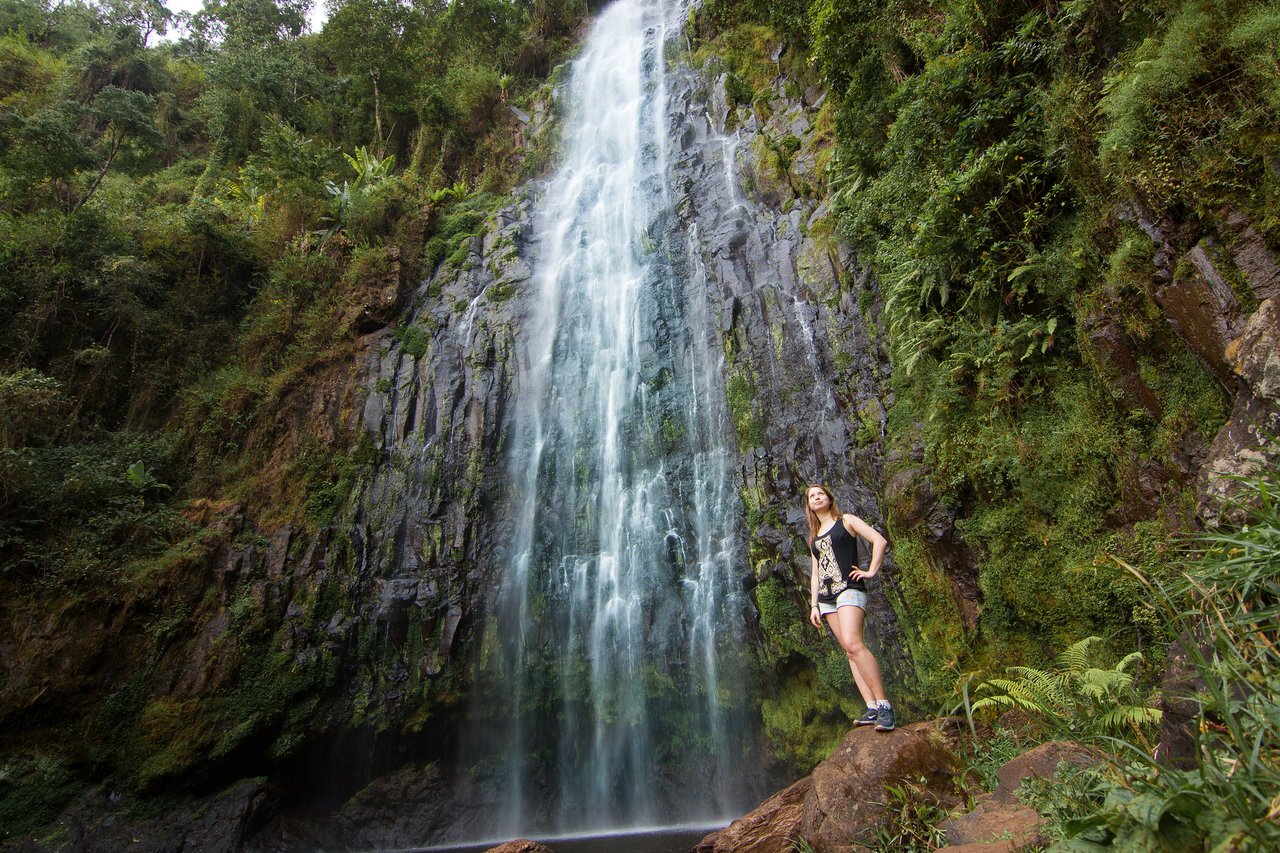
Materuni Waterfall & Coffee Tour
The trail from Materuni village to the waterfall is pleasant but not the point. The point is the coffee processing at the end: picking ripe cherries, wet-hulling them by hand, drying the beans, and roasting them over a wood fire while a Chagga farmer explains every step. In a group of six or eight, this becomes a genuinely social afternoon - everyone is doing the same unfamiliar tasks, no one knows what they're doing, and the communal roast followed by the first cup of the coffee you just made is one of those small experiences that solo travelers remember for years. It costs a fraction of a private booking and is better for the company.uDay
Kikuletwa Hot Springs (Chemka)
Kikuletwa is the definitive solo traveler day trip in the Moshi region. The springs - fed underground, naturally clear, set under a canopy of doum palms - attract an international crowd of hikers, volunteers, and backpackers every weekend. It is simultaneously a party atmosphere and a genuinely beautiful place to spend an afternoon. Rope swings are standard. Shared transport from Moshi usually brings together a van-load of strangers who are having a meal together by sunset. If you need one day trip to meet people and decompress, this is it. Book early in the week - weekend spots fill up.Full Day
Marangu Village Culture Walk
Marangu sits on the lower slopes of Kilimanjaro and is where the most-traveled route up the mountain begins - but the village itself is worth the visit independent of any climbing ambition. The culture walk covers Chagga history, banana cultivation, and a guided introduction to mbege: the traditional banana beer that is central to Chagga ceremonies and social life. It is a slower, more reflective experience than the hot springs - better suited to travelers who are curious about local life and history rather than an adrenaline afternoon. Good for the day after a hard hike, or as context before one.
Female Solo Travel
Going Solo as a Woman in Moshi
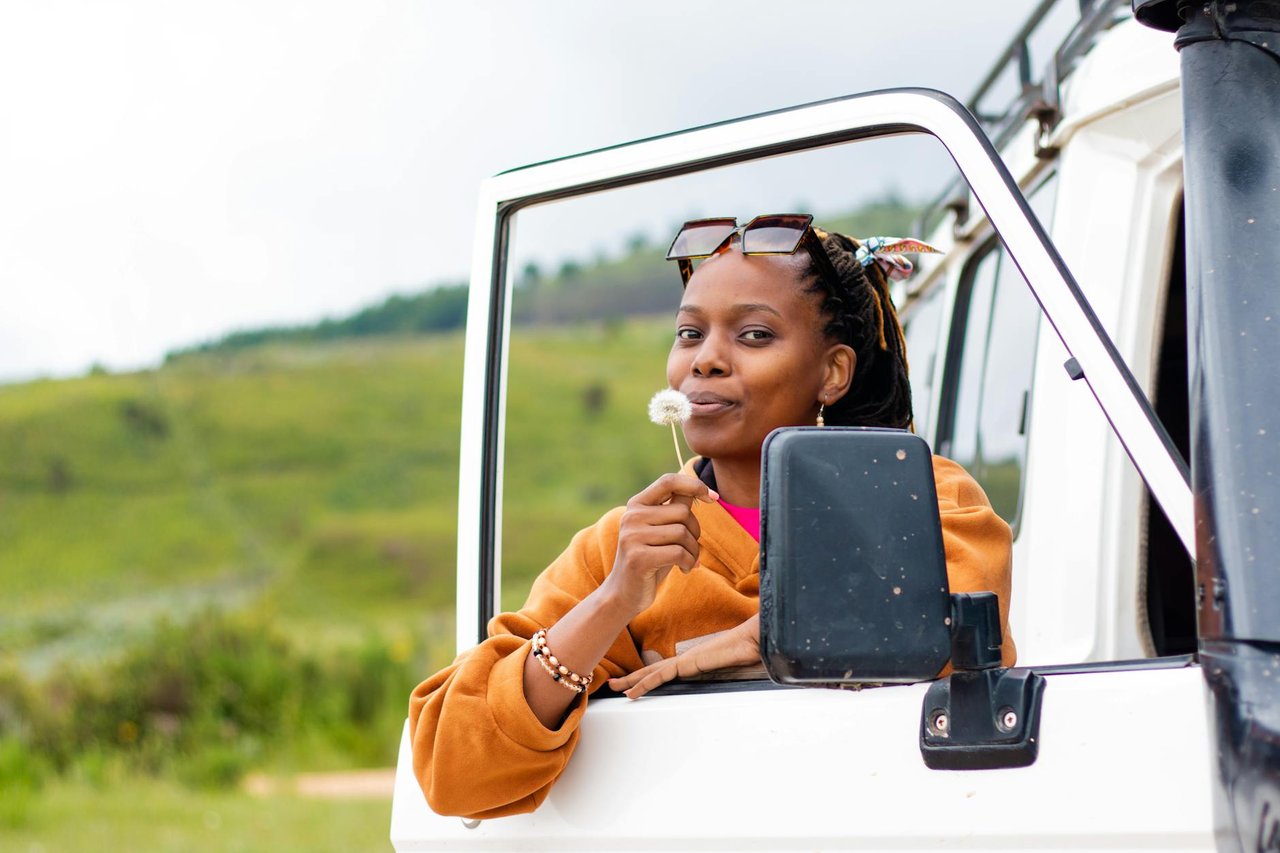
Moshi is a manageable destination for female solo travelers. The risks are real but specific, and most of them are addressable with preparation and a few consistent habits. The following is a practical briefing, not a scare assessment. Women travel here solo regularly and without incident.
Cultural Dress in Town
Moshi is a predominantly Muslim and Christian mixed town with conservative dressing norms, particularly for women. In practice, this means keeping shoulders covered and wearing skirts or trousers that reach the knee or below when out in town. This is not about personal preference - it is about reducing the amount of attention directed at you in public spaces, which directly affects how comfortable your experience will be. Lightweight linen shirts and long skirts are cool enough for the climate and respectful enough for the context. Swimwear stays at pools and hot springs, not on streets.
Handling Attention
01 The wedding ring question. The question "are you married?" is a common opening in Moshi and often a precursor to extended unwanted attention. Saying yes - truthfully or not - is widely considered an effective deterrent. A ring worn on the appropriate finger reinforces the answer visually. This is not deception as a principle; it is a practical tool that saves time and discomfort.
02 Walk with purpose. Slow, hesitant movement in public invites approaches. Moving like you know where you're going - even when you don't - reduces how often you're selected for attention. If you're lost, step into a café or shop to check your phone rather than consulting it in the middle of a busy street.
03 Hostel networks are your safety net. Tell your hostel where you're going for the day. This is standard travel practice and not an overreaction. Staff know the town, can recommend trusted transport, and are the right people to call if something feels off. The social culture of Moshi's hostels means you will rarely find yourself entirely alone in navigating a difficult situation.
04 Register taxi numbers, not street options. The safest transport for female solo travelers at night is always a driver recommended by your accommodation. Keep at least one taxi driver's number saved - ask your guesthouse for a recommendation on arrival.
Safe Stays for Female Solo Travelers
Both of the following offer female-only dorm options, strong security, and staff cultures that take solo female safety seriously.
Shamba Hostel
Female-only dorm available. Excellent security setup, gated compound, and staff who are accustomed to solo female guests and attentive to comfort. Garden setting in a quiet neighborhood.
Pazuri Hostel
Female-only dorm option, strong community vibe. Staff actively connect solo female travelers with group tours and trusted transport. Consistently rated highly by solo women.
Moshi is Your Start, Not Your Destination
Solo travel in Tanzania rarely begins and ends in Moshi. Most independent travelers continue from the mountain to the coast - swapping the cold morning air for the salt wind off the Indian Ocean. When you're ready to make that move, the islands are a short flight away.