)
Money exchange and ATMs in Zanzibar

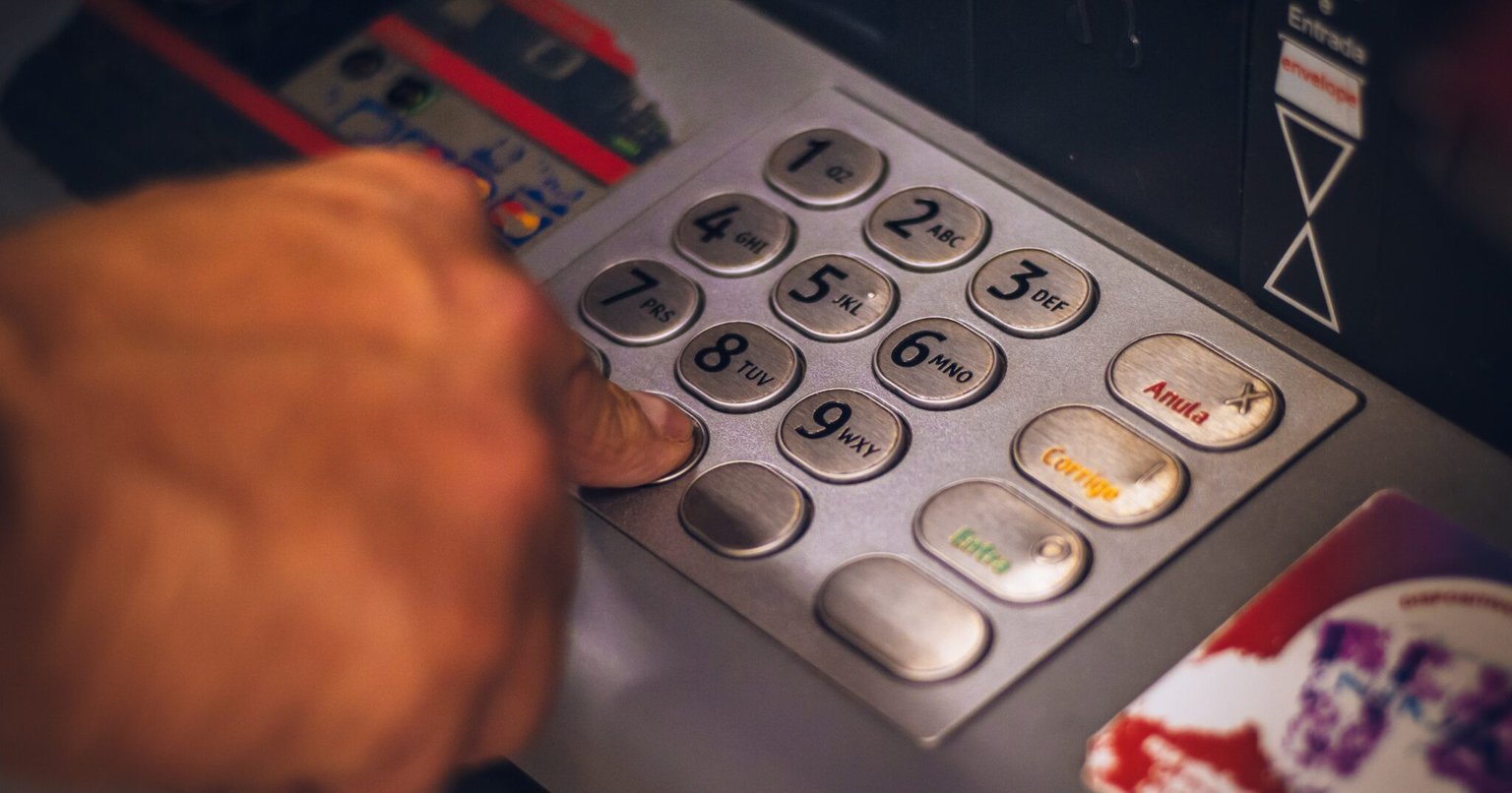
Where do I change money? How much will the ATM charge me? Is it safe to carry cash on the beach? These are the questions almost every traveler arriving in Zanzibar has, and the answers have shifted recently enough that much of the online advice no longer holds.
The short version: the island runs on Tanzanian shillings. Dollars used to be accepted almost everywhere, but a change in the law in March 2025 means you now need shillings for nearly everything, from your dinner to your taxi to a bottle of water.
None of that is difficult to deal with; it just takes a little planning before you land. Below you will find where to exchange money and how to compare rates, where you are most likely to find an ATM, what to check before you withdraw, and how far your card will get you.
In this article:
Local currency in Zanzibar
The currency across Zanzibar and mainland Tanzania is the Tanzanian shilling, written as TZS or Tsh. Prices are often written with a trailing slash, so 5,000 shillings appears as 5,000/-.
As of August 2026, one US dollar buys roughly 2,650 TZS, and one euro roughly 3,050 TZS. Rates move, so check a live rate before you travel rather than trusting a number in any guide, including this one.
A rough mental shortcut: drop three zeros and divide by 2.5 to get dollars. A 10,000 TZS meal is about $4.
Can you still pay in US dollars?
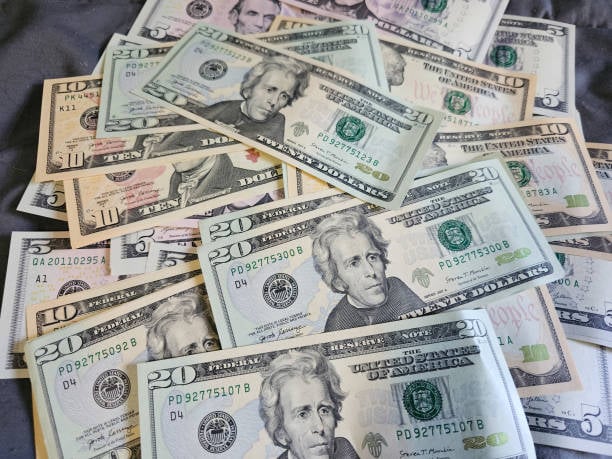
Mostly, no. In March 2025, Tanzania's Regulations on the Use of Foreign Currency came into force under the Bank of Tanzania Act. All pricing and payment for goods and services inside the country must now be in Tanzanian shillings. It is an offense for a business to quote prices in dollars, to pressure you into paying in dollars, or to refuse your shillings.
This applies to hotels, restaurants, shops, taxis and petrol stations. Hotels that used to hand you a dollar bill at checkout will now hand you one in shillings.
There are exceptions that matter to visitors:
For current entry requirements, check Tanzania Immigration's official visa guidance. Mandatory Zanzibar travel insurance is sold through the official Visit Zanzibar portal.
Card and other digital payments remain permitted. If you prepaid a transfer or a safari online before you arrived, nothing changes for that booking. For services paid locally, expect the price and payment to be in shillings.
What actually happens in practice
Enforcement is not uniform across the island. You will still come across a hotel, a souvenir shop or a driver willing to quietly take your dollars, particularly in the busier tourist areas, and some places have been slower to adapt than others.
That is worth knowing so you are not caught out either way. But it is not something to plan around, for three reasons:
The exchange rate you get will be poor. When a business accepts dollars off the books, it prices in its own margin, and it is rarely in your favor.
You cannot rely on it. The place that takes dollars on Monday may refuse them on Tuesday, and the further you get from Stone Town and the resort strips, the less likely it becomes.
You are asking someone to break the rules. The rules apply to the transaction, so neither side should rely on foreign-currency cash for local goods and services.
The practical upshot: do not plan to fly in with a wad of dollars and spend them. Bring dollars to exchange, or bring a card, and get shillings in your pocket on day one. If someone does happen to accept dollars later in your trip, treat it as a small convenience rather than a strategy.
Where to exchange money
Tanzanian shillings are hard to buy outside Tanzania, so almost everyone changes money on arrival. You have four realistic options:
Since 2025, foreigners have been required to exchange currency through licensed banks or registered bureaux de change. Avoid anyone approaching you on the street offering a better rate.
Two tips that will save you money:
Bring large bills. Larger denominations may receive a better rate, but compare the rate offered before exchanging.
Bring clean, recent notes. Acceptance policies vary by bank and bureau, and there is no reliable island-wide year cutoff. Torn, marked, or heavily creased notes may be rejected.
Where to find an ATM in Zanzibar
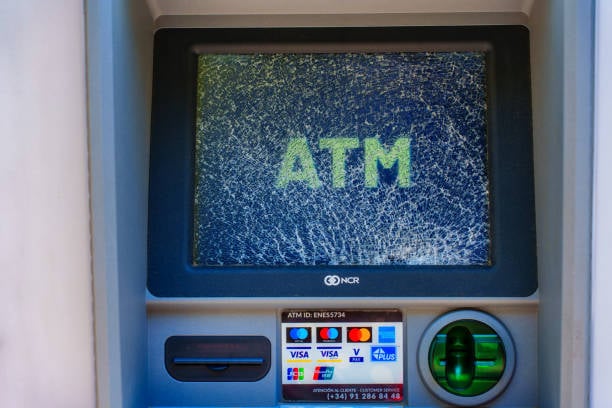
ATMs are concentrated in Stone Town and the main tourist areas. Outside those areas, options are thinner and machines can run out of cash. These are practical examples as of 29 August 2026, not a complete live directory; check a current bank locator before setting out:
Some older guides still list a Barclays ATM in Nungwi. Barclays left Tanzania in 2020, and the branch network became Absa, so that machine is now Absa-branded.
Three things that catch people out:
Cash availability changes. Machines can run low, especially during busy periods, so do not leave a withdrawal until your cash is gone.
Withdraw before remote journeys. If you are heading to Jambiani, Michamvi or Kizimkazi, do not assume an ATM will be nearby or working.
Choose a secure machine. Use an ATM attached to a bank or in a busy area, shield your PIN, and do not accept help from strangers.
If you are continuing to the mainland, withdraw in Arusha, Moshi or Dar es Salaam, where machines are far more numerous and better stocked.
ATM withdrawal limits and fees
When an ATM charges a flat local fee, larger withdrawals reduce the fee as a share of the amount. Balance that saving against the risk of carrying more cash than you need.
Always decline the conversion. If the ATM offers to charge you in euros or dollars instead of shillings, say no and choose shillings. Accepting hands the exchange rate to the ATM operator, and it is often worse than your own bank's.
Carry only what you expect to use, split cash between secure places, and leave the rest in a hotel safe where one is available.
Cards and mobile money
Visa and Mastercard are accepted at larger hotels, established restaurants, dive centers and car rental companies. Some merchants add a card fee on card payments; ask for the total in shillings before you confirm. American Express is rarely accepted anywhere.
Small guesthouses, beach shacks, spice tours, dala-dalas and markets are often cash-only. Assume cash unless you have confirmed otherwise.
Mobile money is the local default. M-Pesa (Vodacom), Airtel Money, Mixx by Yas and Halopesa are widely used. Visitors may be able to register after buying a local SIM, but identity checks, eligibility and activation vary; ask an authorized operator outlet before relying on it. Digital payment methods remain fully permitted under the 2025 currency rules.
Frequently Asked Questions
The Tanzanian shilling (TZS). Since March 2025, businesses in Zanzibar are legally required to price and accept payment in shillings rather than foreign currency.
Not for routine local cash purchases. Hotels, restaurants, shops, and taxis must price and accept payment in Tanzanian shillings, while cards and other digital payments remain permitted. Visa fees may be set in US dollars; check the official immigration guidance for current payment options. An online booking paid before arrival is unaffected, but services paid locally should be settled in shillings. In practice, you may still find a business willing to take dollars, but you cannot count on it.
It is difficult to buy TZS outside Tanzania, and the rate can be poor where it is available. Bring US dollars or euros in clean, undamaged notes and compare the net exchange rate, or withdraw TZS from an ATM.
There is no provider that is always best. Compare the displayed rate and any commission at licensed banks or registered bureaux de change. Street changers should be avoided and are not permitted for foreign visitors under the 2025 rules.
Limits and local fees vary by bank, card and machine and are shown before confirmation. Many machines allow around 400,000 TZS per transaction, but treat that as an example rather than a guarantee. Decline an ATM's offer to convert the withdrawal into your home currency, and balance any flat-fee saving against the risk of carrying extra cash.
At larger hotels, established restaurants, dive centers, and car rental companies, usually. Some merchants add a card fee, so confirm the total in shillings before paying. Small guesthouses, beach shacks, markets, and dala dalas are often cash-only. American Express is rarely accepted.