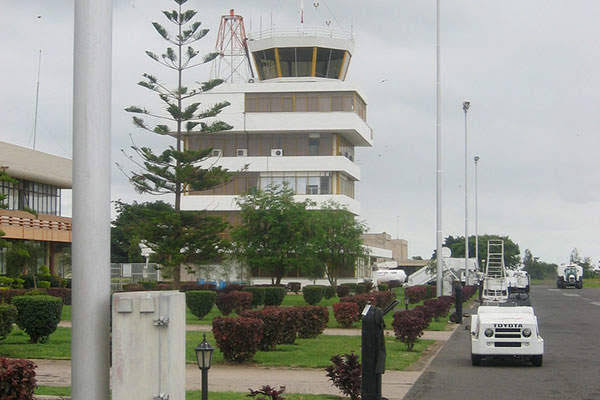
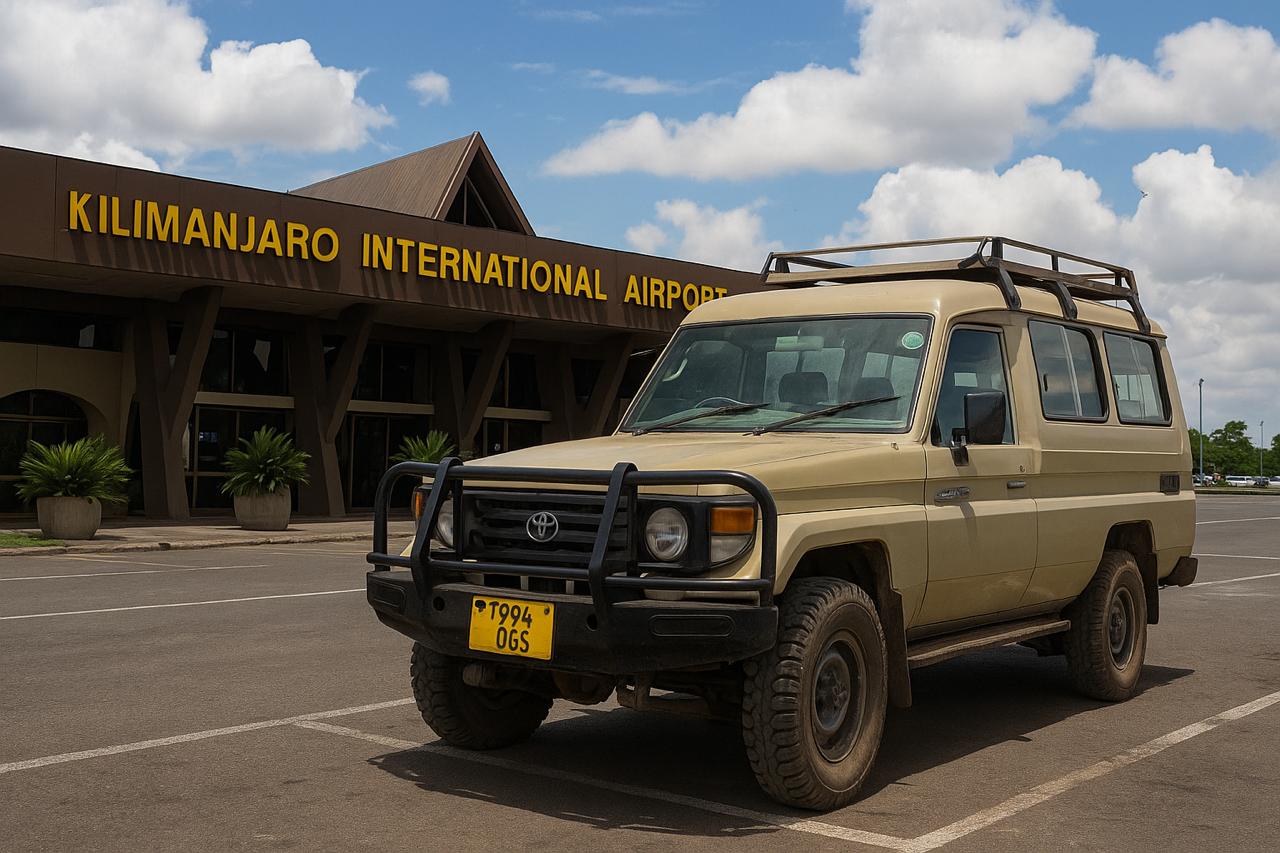
)
Moshi to Kilimanjaro Airport: Getting Back for Your Flight


You've summited Kilimanjaro, watched the sunrise over the Serengeti, or explored Tanzania's hidden corners, now there's one final journey standing between you and home. Getting from Moshi to Kilimanjaro Airport (JRO) is straightforward, but with international flights on the line, there's no room for guesswork.
Whether you're booking a taxi from Moshi to JRO or arranging a private transfer, knowing your options and timing can save you from last-minute panic at the departure gate.
The route is short, just 40 kilometers, but the details matter. Here's everything you need to know about transport to Kilimanjaro Airport.
The Basics: Distance, Time, and Timing
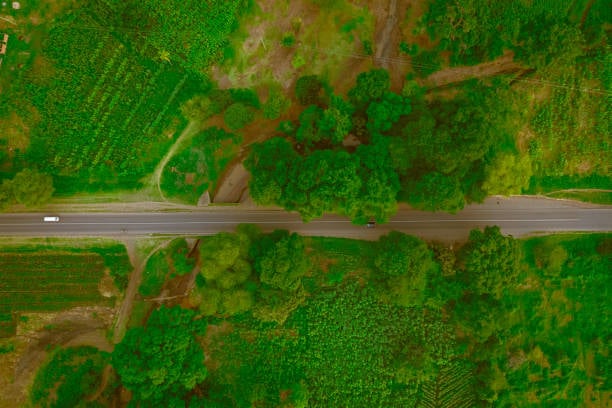
The drive from Moshi to JRO takes between 45 and 60 minutes under normal conditions. The road is paved and well-maintained, following the main A23 highway through Sanya Juu and past villages where locals wave at passing vehicles. It's a simple route, but don't let that simplicity fool you into cutting your departure time too close.
Most seasoned travelers follow the 3-hour rule: arrive at Kilimanjaro Airport at least three hours before an international departure. This accounts for potential traffic near Moshi's town center, security screening delays during high season, and the fact that airlines close check-in counters strictly 60 minutes before takeoff.
JRO may be smaller than Dar es Salaam's Julius Nyerere Airport, but during peak months (June through October, December through January), check-in lines form quickly.
| Detail | Information |
|---|---|
| Distance | 40 km (25 miles) |
| Travel Time | 45–60 minutes |
| Recommended Departure | 3 hours before international flights |
| Road Condition | Paved, safe for night driving |
Your Transport Options from Moshi to Kilimanjaro Airport
Private Transfers: The Reliable Choice
For airport departures, private transfers are the gold standard. Booking through your hotel, safari operator, or directly with WeAreTanzania means your driver knows your flight time, accounts for buffer periods, and shows up on schedule. There's no haggling at dawn, no wondering if the vehicle will arrive, and no stress about whether there's room for your trekking gear.
Private transfers typically cost $50–$60 USD for a sedan (up to 4 passengers) or $70–$90 USD for larger vehicles like a Toyota Noah or Alphard. If you've just come off a multi-day Kilimanjaro climb, the extra cost is worth the peace of mind. Many tour operators include airport transfers as part of their packages, so confirm with your booking agent before arranging separate transport.
Pro Tip: If you're traveling with oversized luggage (sleeping bags, trekking poles, safari duffels) request a larger vehicle when booking. Cramming four people and climbing gear into a compact sedan turns a smooth departure into a Tetris game nobody wants to play.
Local Taxis: Budget-Friendly but Hands-On
Taxis are readily available near the Moshi Bus Stand (locally called "Stand ya Basi") and around major hotels like the Kilimanjaro Crane Hotel and Buffalo Hotel. Drivers are accustomed to airport runs, but this option requires negotiation and vehicle inspection.
Expect to pay around 125,000 TZS (approximately $50 USD) for a one-way trip. Start negotiations at 100,000 TZS and settle in the middle. Before agreeing, check the vehicle's condition—tires, seatbelts, and most importantly, the fuel gauge. The last thing you need is your driver suggesting a "quick detour" for diesel when your flight boards in two hours.
Agree on currency upfront (both TZS and USD are accepted) and confirm the exact amount to avoid confusion at drop-off. If you're paying in USD, bring small bills—drivers rarely carry change for $100 notes.
Best for: Solo travelers or couples with minimal luggage and flexible schedules.
Not ideal for: Early morning departures (3–5 a.m.) when taxis are scarce, or travelers uncomfortable with price negotiation.
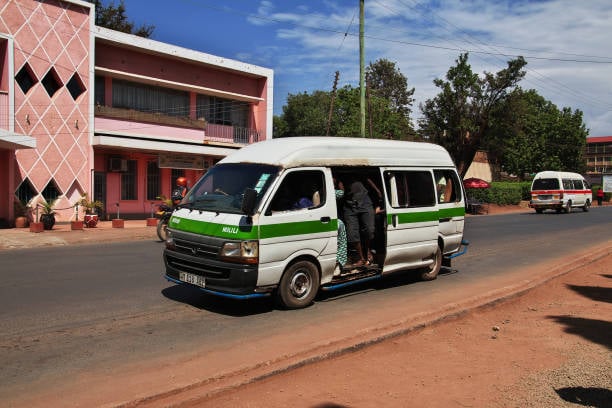
Shared Shuttles: Economical with Constraints
Services like Impala Shuttle operate fixed daily routes between Moshi, Arusha, and JRO. These shuttles cost around $15–$25 USD per person—significantly cheaper than private transfers—but come with limitations.
Most shuttles depart Moshi early morning (6–8 a.m.), which works well for midday flights but leaves you stranded if you're catching an evening departure to Europe or the Middle East.
Shuttles also make multiple hotel pickups, adding 20–30 minutes to your journey. Luggage space is limited, so if you're hauling 23 kg checked bags plus carry-ons, confirm space availability when booking.
Best for: Daytime flights with flexible timing and travelers staying near major shuttle pickup points.
How to Get to JRO from Moshi: Practical Logistics
Understanding the Route
The journey from Moshi to Kilimanjaro Airport follows the A23 highway, a well-maintained two-lane road that handles regular traffic throughout the day. Under normal conditions, it's a smooth drive, but a few factors can add time:
Town Center Congestion: If your hotel is near Moshi's Clock Tower or Rindi Lane, expect 10–15 minutes of slow navigation through daladala (minibus) traffic, especially during morning rush (7–9 a.m.) or late afternoon (4–6 p.m.).
Occasional Roadworks: Stretches near Sanya Juu or Boma Ng'ombe sometimes have resurfacing crews. Delays are typically 5–10 minutes.
Wildlife Crossings: Yes, really. Baboons and the occasional giraffe near Sanya Junction have been known to stop traffic briefly. It's Tanzania—expect magic even on your way out.
Night Driving: The A23 is safe for night travel. Most international flights from JRO depart between 7 p.m. and 11 p.m., so nighttime airport runs are routine. Just ensure your driver uses headlights (not always guaranteed with older taxis).
Payment and Currency
The current exchange rate sits around $1 USD = 2,500 TZS. If you have leftover Tanzanian Shillings from your trek (tip money, souvenir shopping), paying your driver in local currency is perfectly acceptable. However, USD is universally accepted for airport transfers.
| Vehicle Type | USD Price | TZS Equivalent |
|---|---|---|
| Sedan (4 passengers) | $50 | 125,000 TZS |
| SUV/Van (7+ passengers) | $70–$90 | 175,000–225,000 TZS |
Three Insider Tips for a Smooth Departure
The "Last View" Moment
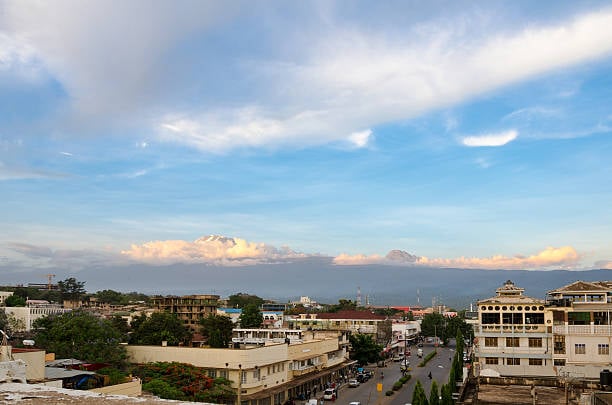
As you drive from Moshi toward JRO, watch the right side of the vehicle. On clear mornings, you'll catch one final, stunning view of Mount Kilimanjaro's snow-capped summit rising above the plains. If your driver is accommodating, ask them to pull over briefly at the viewpoint near Sanya Juu (around km 25). It's your last chance to see Uhuru Peak before flying home, don't pack your camera away too early.
The Fuel Check
Before leaving Moshi, glance at the fuel gauge. There are reliable petrol stations in town (TotalEnergies near the Clock Tower, Oryx on Boma Road), but once you hit the A23 highway, options become scarce. If the tank is below half, politely request a quick fill-up before departure. Five minutes now beats a 20-minute "detour" that eats into your airport buffer time.
The Departure Tax Myth
There's a persistent rumor that travelers need to pay a separate departure tax in cash at Kilimanjaro Airport. This is false. Tanzania's departure tax (previously $40 USD) is now included in your airline ticket price. You do not need extra cash at JRO for taxes. The only cash you might need is for last-minute duty-free purchases (which also accept major credit cards).
Common Questions About Transport to Kilimanjaro Airport
Can I use Uber or Bolt?
No. While ride-sharing apps technically operate in Tanzania, coverage in Moshi and along the route to JRO is virtually non-existent. Bolt has slightly better availability in Arusha, but it remains unreliable for airport transfers. Stick with pre-arranged taxis or hotel transfers.
What if I'm traveling with climbing gear?
Book a larger vehicle. Sedans accommodate 2–3 passengers with standard luggage, but trekking gear (sleeping bags, poles, duffels) requires a van. Larger vehicles cost $70–$90 USD but eliminate stress and ensure everyone travels comfortably.
Is it safe to drive at night?
Yes. The A23 highway is paved, patrolled, and routinely traveled at night. Most international flights depart JRO between 7 p.m. and 11 p.m., so nighttime transfers are standard. Just confirm your driver is sober, the vehicle has working headlights, and you've agreed on the fare beforehand.
When should I book my transfer?
For peak season (June–October, December–January), book at least 48 hours in advance. During off-peak periods, 24 hours is usually sufficient. Same-day bookings are possible but risk vehicle unavailability, especially for larger groups.
Final Departure Checklist
Before leaving Moshi, confirm:
Transfer booked and confirmed 24 hours prior
Flight status checked online
Passport packed (and not left in hotel safe)
Departure time set for 3 hours before flight
Payment method confirmed with driver
Phone charged and boarding pass downloaded
Your Final Tanzania Journey
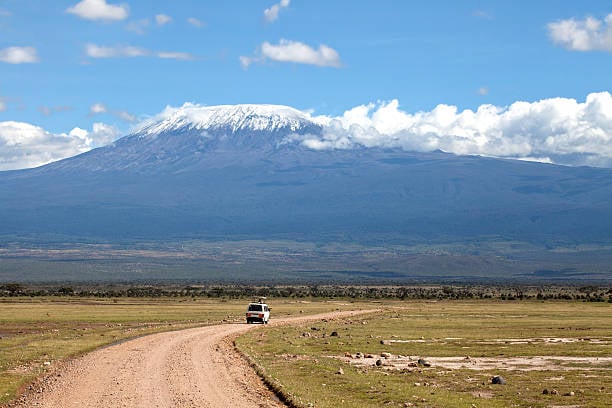
The drive from Moshi to Kilimanjaro Airport is more than just logistics, it's the closing scene of your Tanzanian adventure. Whether you've stood on Africa's rooftop, tracked elephants through golden grasslands, or simply soaked in the warmth of East African hospitality, this 40-kilometer stretch is your bridge back to the everyday world.
Give yourself time, book smart, and take one last look at Kilimanjaro in your rearview mirror. Safe travels, and karibu tena - welcome back to Tanzania anytime.
Need a reliable transfer from Moshi to Kilimanjaro Airport? Contact WeAreTanzania for hassle-free, fixed-price airport transport. Your journey home starts with peace of mind.