Maasai Village Cultural Tour: Warriors & Traditions
Why This Experience Matters
The Maasai are inseparable from East Africa's image: tall warriors in red shukas, beaded jewelry glinting in the sun, a culture that has endured for centuries on the plains of Tanzania and Kenya. But most tourists never get to experience the real thing - they see performances, not life.
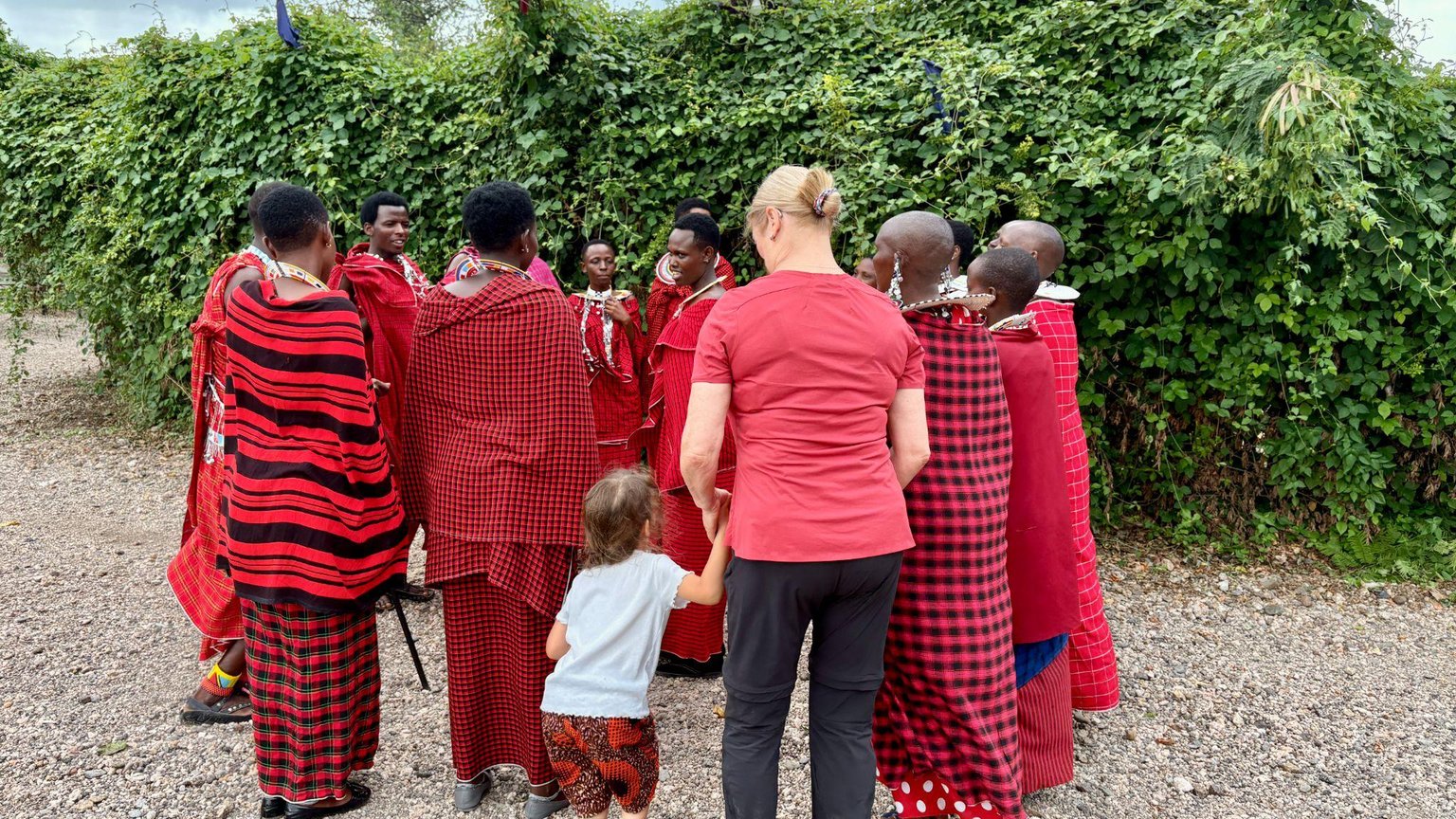
This half-day cultural tour is different. You're visiting an actual Maasai community near Arusha, where the money you spend goes directly to the families who welcome you. You'll witness the adumu - the famous warrior jumping dance - not as spectators, but as guests in a living community. You'll step inside a traditional mud-and-dung home and understand how families actually live. You'll learn about cattle-herding, the roles of warriors and elders, and a way of life shaped by centuries of tradition.
It's not a show. It's genuine connection.
The Difference: Authentic vs. Performance
Many "cultural tours" are staged performances in hotel venues. This one is hosted by the community itself, in their own space, on their own terms. Your presence directly supports families and local economies. It's the difference between witnessing a culture and respecting one.
What Happens During the Half Day
Morning: The Welcome
Your guide collects you from your Arusha hotel and drives into the surrounding countryside (30–60 km depending on which community you visit). You arrive at a Maasai boma - a traditional settlement. The warriors greet you with the adumu, the rhythmic jumping dance that's become synonymous with Maasai culture. It's powerful, joyful, and unmistakably alive.
Mid-Morning: Inside the Home
You're invited inside a traditional home - typically made of mud, sticks, and cow dung, ingeniously designed for the climate. A family explains how they live: how they arrange their space, how they cook, how they sleep, the roles of different family members. Questions are welcomed. This is where the real learning happens.
Late Morning: Stories & Traditions
Your guide (often a community member) shares stories about Maasai life: cattle-herding traditions, the coming-of-age ceremonies that mark warriors, the role of elders in decision-making, the place of women in society, traditional medicine, and the values that have held this culture together. You watch beadwork demonstrations and see the craftsmanship up close.
Late Morning Return
You return to Arusha by midday, carrying with you not just photographs, but a genuine understanding of how the Maasai live, think, and value community. You've supported a real family with your visit.
What Makes This Experience Unique
Direct Community Benefit
The money you spend goes directly to the Maasai families who welcome you. There are no middlemen, no hotels taking a cut, no corporate operators. You're funding education, healthcare, and livelihoods in the community itself. That's not philanthropy - it's fair exchange.
Small Groups, Real Conversations
We don't run tours in large groups of 30+ tourists. Small groups mean the pace is relaxed, there's time to ask questions, and conversations feel genuine rather than rushed. Your guide has time to explain the stories behind the traditions, not just recite talking points.
Local Guides, Local Knowledge
Many of our guides are community members themselves, or have deep family ties to the villages. They're not tour operators reading scripts - they're sharing their own culture with you. That changes everything about how the experience feels.
What to Bring
Respectful clothing (shoulders and knees covered recommended)
Camera (always ask before photographing individuals)
Cash for crafts (if you want to buy beadwork or other handmade items directly from artisans)
Sun protection (hat, sunscreen, sunglasses)
Comfortable shoes (walking on dirt/sand paths)
Culture Worth Knowing
The Maasai have survived on the East African plains for centuries by understanding their environment, valuing their community, and maintaining traditions that matter. A half-day with them isn't tourism - it's education. It's respect. It's the chance to step outside your world and genuinely understand another way of living.
For $120 per person, you're not just getting a tour. You're funding a real family's education, healthcare, and future. You're proving that tourism can be ethical and that travelers want authentic connection over staged performances.
The warriors are waiting. The stories are waiting. Real Tanzania is waiting.
Included in price
- Transport & fuel: Door-to-door transfers from your Arusha hotel
- Professional guide & translator: Local expert fluent in English
- Village entrance & community fee: Direct support to the families
- Cultural demonstrations: Dances, beadwork, and traditional activities
- Bottled water: Cold water throughout the morning
Frequently asked questions
It's a real community. Unlike staged performances in hotel venues, you're visiting an actual Maasai settlement where families live. The warriors, the elders, the artisans - these are real people sharing their culture. Yes, they're used to visitors, but they're not performing for you in a theater. They're welcoming you into their space on their terms. The money goes directly to them, not to a tour company.
Yes, but always ask first. Many cultures have traditions around photography—some people prefer not to have their picture taken, others want to be paid for photos. Your guide will explain the etiquette. The general rule: ask before photographing anyone, especially children. Respect the answer if someone declines. Your guide will help facilitate respectful photography throughout the visit.
Absolutely, and we encourage it. You'll see beadwork, jewelry, and other handmade crafts during the visit. If you want to buy, you're purchasing directly from the artisans - no middlemen taking a cut. Prices are negotiable and fair. Many visitors budget $20–$50 for crafts. Bring cash (Tanzanian Shillings or US Dollars both work). Your purchases directly support the families.
Yes, absolutely. The tour is graded Easy, suitable for all ages and fitness levels. Children often love the warrior dances, the animals, and the genuine interaction with Maasai children. We can adapt the pace and focus to your family's interests. Just let your guide know your children's ages and energy levels when booking.
Quality varies enormously. Some villages are set up primarily for tourists and offer little authentic experience. Others charge high prices and give little back to the community. We work with specific communities where relationships matter, guides are often community members, and your payment directly supports families. We keep groups small, allow time for real conversations, and respect the pace and dignity of the experience. Ask any tour operator: How much of the fee goes directly to the community? If they can't answer clearly, it's probably not going directly.
The drive is 30–60 km depending on which community you visit (we have partnerships with several). Travel time is roughly 45 minutes to 1.5 hours each way. Yes, it's worth it. The half-day tour (including drive time) leaves you in Arusha by early afternoon, giving you time for other activities or rest. Many travelers combine it with another experience on the same day.
Yes, absolutely. Because it's a half-day experience, it fits easily into larger itineraries. Many travelers do the Maasai cultural tour in the morning, then depart for a safari that afternoon, or do it as a rest day between climbing stages on Kilimanjaro. Tell us your itinerary, and we'll weave it in seamlessly.