)
Must-Visit Tanzania National Parks: Top Picks for Adventure and Wildlife


Curious about the top national parks to visit in Tanzania National Parks? This guide covers must-see parks like Serengeti, Ngorongoro, and Tarangire, detailing the unique wildlife and activities each offers. Explore Tanzania’s incredible biodiversity and start planning your adventure.
Key Takeaways:
Witness the Great Migration at Serengeti NP: Millions of wildebeest and zebra circle Serengeti’s vast plains each year, a spectacle UNESCO calls “one of the most impressive nature spectacles in the world”. The park spans over 14,700 km² and supports 500+ bird species and large predator populations.
Explore Ngorongoro’s unique crater ecosystem: The Ngorongoro Crater harbors roughly 25,000 large animals (including endangered black rhino) within its 600 m deep caldera. A UNESCO World Heritage site, Ngorongoro also showcases sustainable Maasai pastoralism coexisting with rich biodiversity.
See “Lions in the Trees” at Tarangire NP: Tarangire’s dry-season game drives reveal enormous elephant herds and iconic baobab trees. Unique to this park, lions frequently climb acacias and baobabs to escape heat and insects. The park also boasts over 550 bird species, making it a birdwatcher’s paradise.
Discover hidden gems: Beyond the Northern Circuit, parks like Ruaha (20,000+ km²) and Mikumi (3,230 km²) offer wild savannah landscapes with abundant wildlife (elephants, buffalo, predators). Pristine wilderness parks such as Nyerere (Selous) and Mahale Mountains are remote and uncrowded – Nyerere covers ~30,893 km² (Tanzania’s largest NP) with rich big-game and boat safaris on the Rufiji River, while Mahale (1,650 km²) harbors the largest known population of eastern chimpanzees on Earth.
Engage in diverse activities: Hot-air balloon rides over Serengeti at dawn offer unparalleled views of wildlife (often ending in bush breakfasts). Canoeing on Lake Manyara or Rubondo Island brings you close to flamingos, hippos and otters. Trekking in Arusha NP’s forests or climbing Mount Meru (4,566 m) and Kilimanjaro (5,895 m) provide mountain adventure alongside wildlife and scenic diversity.
Serengeti National Park: The Heart of the Great Migration
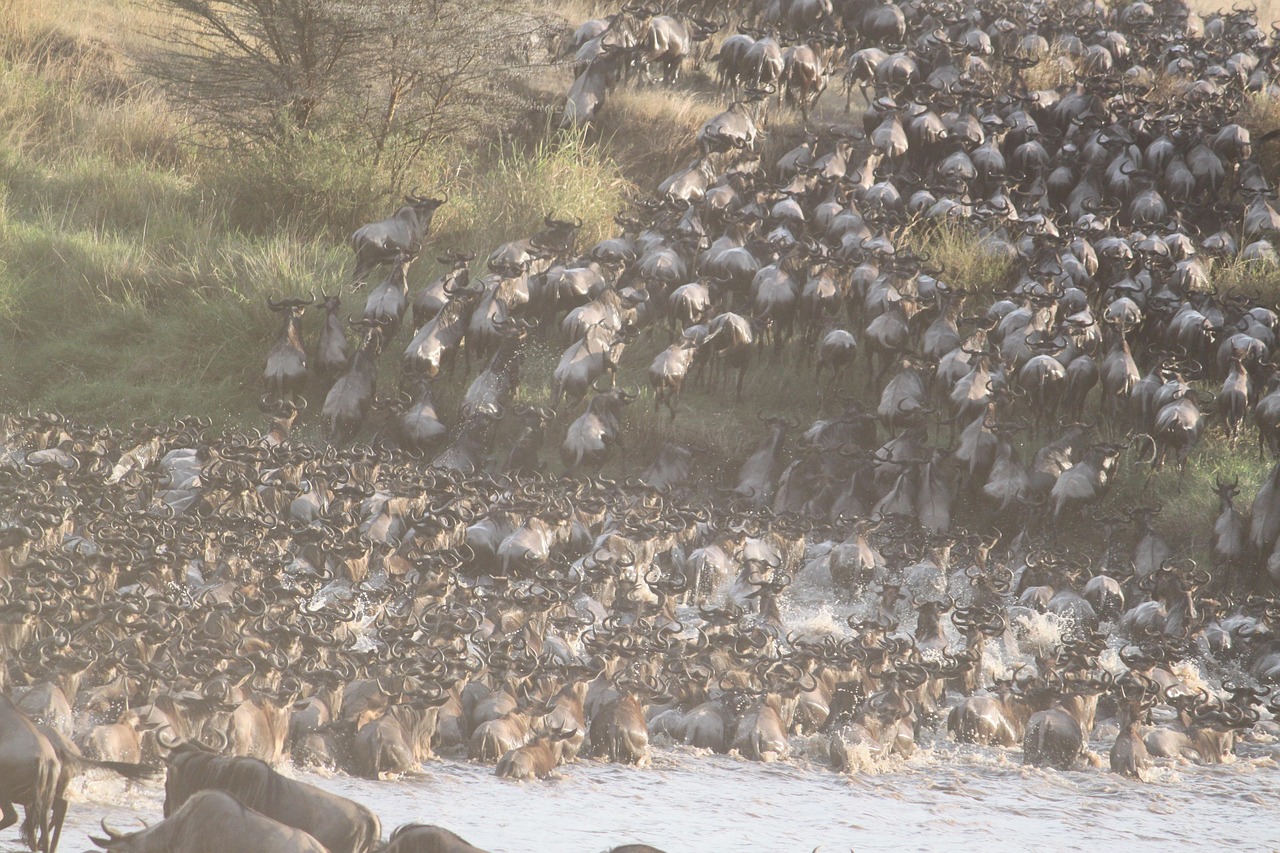
Serengeti National Park in northern Tanzania (14,763 km²) is world-famous for the Great Migration – over 1.5–2 million wildebeest and hundreds of thousands of zebras and gazelles moving in a circular pattern in search of fresh grasslands.
This annual migration (sometimes called “the greatest show on earth”) drives predators to follow these massive herds.
UNESCO notes that in Serengeti’s vast plains the wildebeest migration, “one of the most impressive nature spectacles in the world,” plays out among concentrations of lions, leopards, crocodiles and hyenas.
The park’s open savannah and rolling grasslands also support roughly 500 species of birds, from raptors overhead to flamboyant flocks of ostriches and ground-dwelling birds.
Visitors to Serengeti can spot the Big Five and more: large herds of buffalo and elephants often graze peacefully, while prides of lion and elusive leopard stalk the grass. The central Serengeti (Seronera) is especially rich in wildlife – surveys report over 4,000 lions in the ecosystem – making every game drive in these grassy plains thrilling.
The park’s immense size and variety of habitats (grassy plains, riverine forests and kopjes) means you may encounter giraffes, hartebeest, impalas and countless antelope species against a backdrop of stunning landscapes at any time of year.
One of the most memorable experiences is a hot air balloon safari over the Serengeti plains at dawn. Floating silently above the landscape, you can watch elephants, wildebeest and herds of buffalo moving below, and enjoy a champagne bush breakfast upon landing.
Balloon flights (which depart before sunrise) offer a luxurious and unique perspective on the migration. Whether from the ground or the air, Serengeti delivers wildlife spectacles unequaled elsewhere.
Ngorongoro Conservation Area: A Natural Wonder
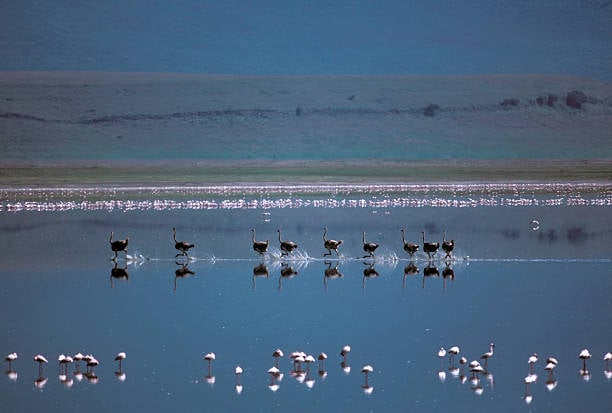
The Ngorongoro Conservation Area is a UNESCO World Heritage site dominated by Ngorongoro Crater – the world’s largest intact volcanic caldera.
Formed when a massive volcano collapsed, the crater spans 260 km² and 600 meters deep. It is home to a remarkably dense wildlife population: roughly 25,000 large animals (mostly grazing ungulates) live permanently within the crater. This includes one of the highest concentrations of lions and leopards anywhere, as well as endangered species like the black rhinoceros.
On the crater floor you may see herds of wildebeest, zebra, and gazelles mingling with grazing buffalo and the occasional elephant. Waterholes and wetlands in the crater attract hippos, crocodiles and flamingos (the alkaline Lake Magadi often tints pink from flamingos).
Because animals seldom migrate out of the crater, game-viewing is spectacular year-round. For many safari-goers, the dramatic setting plus sheer abundance of wildlife make Ngorongoro one of Africa’s most rewarding reserves.
Unlike a strict national park, Ngorongoro is a multiple-use conservation area where Maasai pastoralists still live and graze livestock. Established in 1959 for wildlife conservation and pastoral use, it is managed by the Ngorongoro Conservation Area Authority.
The semi-nomadic Maasai community works with park authorities to preserve the ecosystem – their traditional land-use (rotational grazing, coexistence with wildlife) is a model for integrating people and nature.
Visitors passing through the crater rim often see Maasai cattle herds or even join homestays to learn about Maasai culture. In this way, Ngorongoro combines cultural heritage with conservation: it’s “one of the greatest natural wonders of Africa,” UNESCO says, where local traditions support rich biodiversity.
Tarangire National Park: Land of Giants
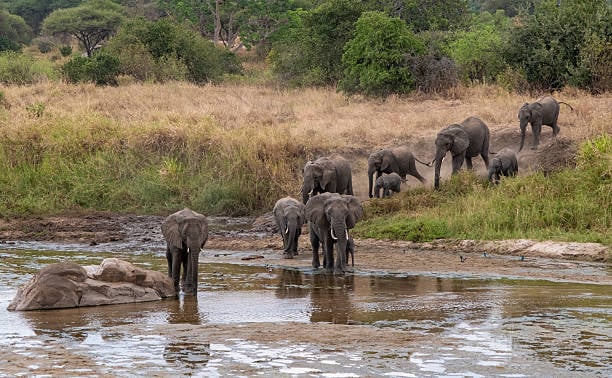
Tarangire National Park (about 2,850 km²) in northern Tanzania is nicknamed the “Land of Giants” for its large elephant populations.
During the dry season, Tarangire River (the park’s namesake) is the only reliable water source in the area, drawing huge herds of elephant, buffalo and antelope to its banks. Towering baobab and sausage trees dot the riverine woodlands, offering picturesque scenes.
According to wildlife experts, the park is renowned for its abundant elephant population, the iconic baobab trees and lions that are often seen climbing trees. Indeed, Tarangire often hosts 300–600 elephants at a time in its dry-season swamps.
One of Tarangire’s most unique sights is the tree-climbing lions. A small percentage of lion prides here regularly climb into acacia or baobab trees to rest and escape heat and biting flies.
Visitors to Tarangire often get an unexpected thrill spotting a lion perched high on a branch, surveying the plains.
Birdlife in Tarangire is also superb: over 550 species of birds have been recorded, including rare endemics. Migrant waterbirds flock to the swampy areas, and the park’s acacia woodlands are alive with colorful species such as hornbills, rollers and vultures. Tarangire’s combination of elephants, big cats in trees, and abundant birdlife make it a highlight of any Northern Circuit safari.
Safari activities in Tarangire include game drives (both day and night), nature walks, and seasonal balloon safaris. Early morning drives along the Tarangire River are particularly rewarding as wildlife gathers there at dawn.
In winter (June–October), when southern parks are wet, Tarangire is at its best – the herds are concentrated, and the landscape is dry with dramatic skies. A sunset hot-air balloon ride over Tarangire (when available) also offers a peaceful way to admire the giant baobabs from above. Overall, Tarangire’s dry-season wildlife spectacle and peculiar tree-roosting lions give it a special place on any Tanzanian itinerary.
Lake Manyara National Park: A Compact Gem
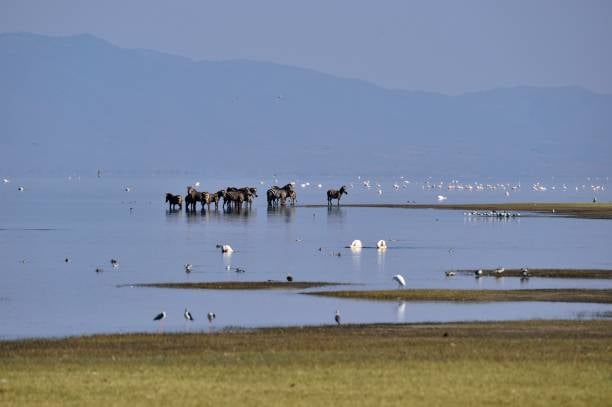
Lake Manyara National Park is relatively small (330 km²) but ecologically rich. It centers on the alkaline lake that often turns a vivid pink from flamingos, surrounded by floodplains, lush woodland and the escarpment wall of the Rift Valley. Visitors are rewarded with diverse wildlife in a compact area.
Notably, Lake Manyara has the highest concentration of baboons in the world and a resident population of lions famous for climbing acacia trees (similar behavior as in Tarangire).
During dry months the lake attracts thousands of flamingos, which feed on the lake’s algae. Over 400 bird species have been observed here, making Manyara a top spot for birdwatching.
The park’s varied habitats allow visitors to see elephants wading in waterways, herds of zebra and wildebeest on the plains, and giraffes browsing acacia foliage.
The groundwater-fed forests support troops of vervet, colobus and blue monkeys, while hippos wallow in the lake’s deeper waters. Lake Manyara often has a wildlife diversity rivaling much larger parks – big cats, large herbivores and waterbirds all can appear on the same game drive.
Activities at Manyara go beyond game drives. The Momela Lakes (a series of shallow alkaline lakes on the park’s eastern side) are popular for canoeing. Paddling quietly in a dugout canoe lets you float close to wading flamingos, ducks and storks, as well as hippos that scatter from the boat at the last minute.
These canoe excursions also pass by fishermen on the lakeshore (using traditional canoes made of fig and mahogany wood).
Manyara even offers a unique “treetop walkway” suspension bridge 17–18 m above ground, allowing visitors on foot to stroll through the forest canopy and observe birds and monkeys up close.
Combined, Lake Manyara’s compact size, tree-climbing lions, flamingo flocks and forest walks make it a gem of the northern circuit, easily accessible (just south of Arusha) and rich in encounters.
Arusha National Park: Gateway to Northern Tanzania
Arusha National Park (552 km²) lies on the slopes of Mt. Meru (Tanzania’s 2nd-highest peak at 4,566 m) and is often visited by travelers en route to or from Mount Kilimanjaro.
It features an astonishing mix of scenery: the park includes mountain forest, volcanic peaks (including Meru and small cones like Ngurdoto Crater), savannah plains and Momella Lakes. As a result, even this relatively small park hosts diverse wildlife and recreational options.
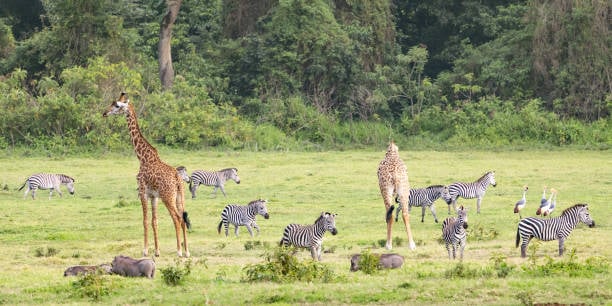
Giraffe, zebra, warthog and waterbuck graze on the open Momella Plains, while black-and-white colobus monkeys and blue monkeys inhabit the forested slopes of Meru.
Birding is exceptional – Arusha NP boasts well over 400 bird species, including flamingos (on the soda lakes), pelicans, marabou storks, eagles and forest hornbills. Even the top of Kilimanjaro can be glimpsed from within the park, and pelicans might land at your feet at Ngongongare Springs.
One of Arusha’s main attractions is Mount Meru. A multi-day hike to Meru’s summit (4,566 m) is a popular, challenging trek that takes about 3–4 days through rainforest and alpine moorland.
Meru is an active stratovolcano and the climb is much quieter than Kili (fewer climbers). Notably, hikers often use Meru as an acclimatization climb before attempting Kilimanjaro. Meru’s summit offers panoramic views of Mount Kilimanjaro’s peak rising above the plains.
In terms of activities, Arusha NP offers game drives and walks. The park even allows canoeing on Momella Lakes – you can paddle amidst flamingos and hippos while watching birdlife.
Night game drives (rare in Tanzanian parks) are also possible in Arusha, letting you spot nocturnal species like bushbabies and porcupines. With Kilimanjaro looming in the distance, Arusha NP combines mountain adventure (trekking Meru or scenic walks) with wildlife viewing, truly making it a gateway to the wonders of northern Tanzania.
Mikumi National Park: Wild Savannah of the South
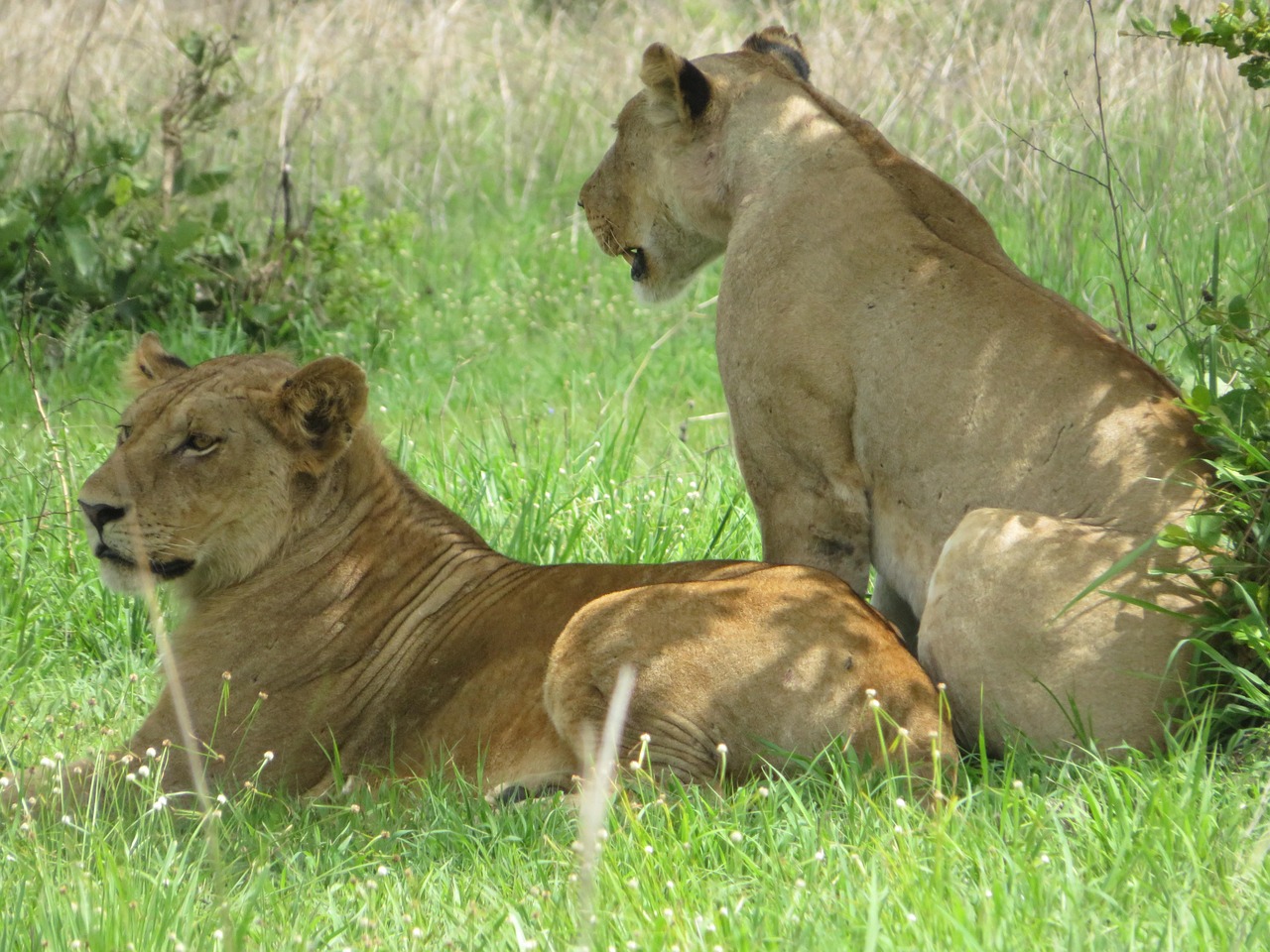
Mikumi National Park (3,230 km²) lies in east-central Tanzania near Morogoro and is often considered the southern extension of the Serengeti ecosystem. It features classic East African savannah landscapes and is teeming with wildlife, though it receives far fewer visitors than northern parks.
Mikumi’s open grassy plains support large herds of Masai giraffe, zebras, wildebeest and various antelope species (eland, kudu, impala). The park is well known for its populations of elephants, giraffes, zebras, elands, kudu, wildebeest, and antelope, and many large hippo pools dot the landscape.
The hippo families in Mikumi’s rivers can be so numerous that it’s worth pausing for a riverside picnic to watch their antics. Predators include lions, leopards and cheetahs, which follow the migratory prey through Mikumi and into adjacent Udzungwa and Ruaha ecosystems.
Mikumi is also a birdwatcher’s treasure. Guides report 400+ bird species in the park. Colorful birds like lilac-breasted rollers, yellow-billed oxpeckers, marabou storks and fish eagles are commonly seen. The park’s kopjes (rock outcrops) and streams host migratory and endemic species as well.
Because Mikumi is on a crossroad (connected to the Great Ruaha to the south and Udzungwa to the west), it accumulates diverse birdlife from various habitats. All these factors make Mikumi an excellent safari choice for those exploring southern Tanzania – it offers abundant wildlife viewing and photo opportunities, yet remains uncrowded by international tourists.
Ruaha National Park: Tanzania’s Safari Secret
Ruaha National Park, at over 20,200 km², is one of Tanzania’s largest and least-crowded parks, lying in south-central Tanzania. Often called the country’s “wildest” park, Ruaha features vast landscapes of semi-arid plains, acacia woodlands and the Great Ruaha River.
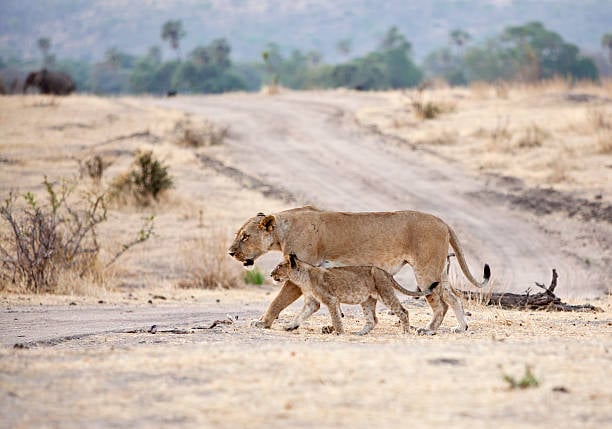
Wildlife here is prolific: Ruaha supports one of the highest densities of lions in Africa – in fact about 10% of the world’s lions live in the Ruaha region.
These elegant predators stalk buffalo, giraffe and other prey on the open plains. Ruaha also sustains Tanzania’s second-largest elephant population; surveys count on the order of 12,000 elephants migrating through Ruaha every year.
Other large mammals include kudu, roan and sable antelope, hippos in the river, wild dogs and cheetahs. Impressively, Ruaha’s birdlife checklist exceeds 550 species – migrant raptors and waterbirds concentrate along the river.
What makes Ruaha special is the sense of solitude and change with seasons. In dry season (June–October) wildlife congregates around the dwindling river and waterholes, making sightings likely; in wet season the bush becomes emerald green and migratory bird numbers swell.
The park’s baobab-studded landscapes are striking, especially at sunset. Since Ruaha has fewer lodges and roads, game drives often feel private – you might be the only vehicle at a waterhole with a herd of elephants. For adventurous travelers seeking big-game viewing away from the crowds, Ruaha is a top pick.
Nyerere National Park (Selous): Untamed Wilderness
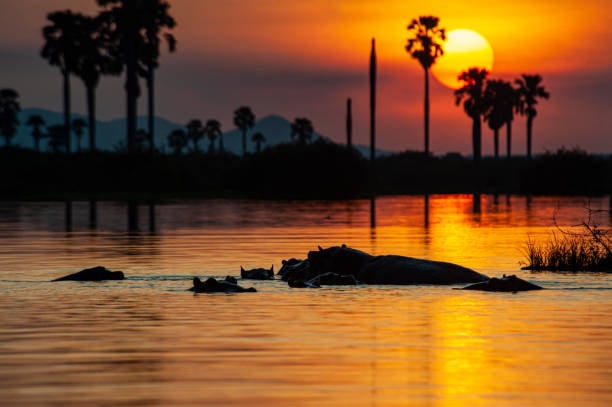
Nyerere National Park (formerly Selous Game Reserve) is Tanzania’s largest protected area at about 30,893 km². Covering the vast Rufiji River basin in southern Tanzania, it offers a pristine wilderness experience – remarkably, less than 1% of tourists visit this park each year.
The Rufiji River is the park’s lifeline and gives rise to oxbow lakes and floodplains. Nyerere’s remote terrain hosts a huge diversity of wildlife. Over 350 bird species thrive here (including wattled crane, crowned eagle and Pel’s fishing owl).
Large mammals abound: African wild dog packs, sizeable herds of buffalo and elephants, giraffes, and plentiful hippos and crocodiles along the rivers. Visitors may encounter elephants swimming across river channels or lions lounging by an idyllic lakeside.
Common safari activities in Nyerere include game drives and boat safaris on the Rufiji River. Boat safaris usually include sunrise or sunset trips, sometimes with picnic stops. Meanwhile, the surrounding woodlands support roan antelope, sable and endemic antelope like sitatunga in the swampy areas.
With its combination of land and water safaris, Nyerere offers an untamed adventure – a chance to see five of the Big Nine in one area. The park’s sheer size and low traffic mean encounters often feel intimate and off-the-beaten-track.
Gombe Stream National Park: Chimpanzee Trekking
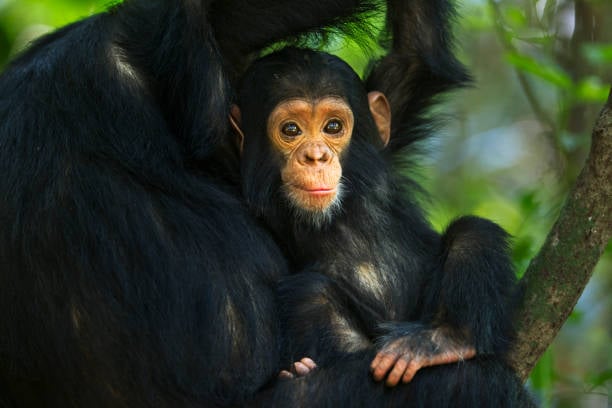
Gombe Stream National Park (≈35 km²) on the shore of Lake Tanganyika in far western Tanzania is one of Africa’s smallest national parks, but also one of the most famous. It was here that Dr. Jane Goodall (RIP) began her pioneering research in 1960, revolutionizing our understanding of chimpanzee behavior.
Visitors come primarily for chimpanzee trekking in the forested ravines of Gombe. The park protects the Kasakela chimp community, among the best-studied chimpanzees in the world.
Chimp treks (with experienced guides) allow visitors to hike steep trails and spend limited time (often up to an hour) with habituated chimp troops. These intimate encounters reveal chimps using tools, showing emotion and interacting in social families – observations immortalized in Goodall’s studies.
Aside from chimps, Gombe’s lush forests harbor a high diversity of primates. In fact, Gombe boasts one of the highest concentrations of primates in Africa, including olive and red colobus monkeys, blue monkeys, baboons and more. Around 200 bird species have been recorded, alongside antelope like bushbuck and even hippos in small streams.
The park’s terrain is steep and forested, making wildlife viewing challenging but rewarding. Experienced guides help locate chimpanzees feeding in trees or coming down to drink. Trekking in Gombe is typically limited to morning or afternoon sessions to protect the animals.
Beyond chimp trekking, Gombe offers cultural experiences along Lake Tanganyika’s shore. The port towns and villages near Gombe (such as Kigoma and historic Ujiji) have vibrant local culture.
Visitors can join fishing trips on Lake Tanganyika, visit bustling markets selling crafts and organic produce, or watch traditional boat-making by local craftsmen.
In sum, Gombe Stream NP is a sanctuary of quiet beauty – famous for chimpanzees, yes, but also for its primeval forests and connections to Tanganyika’s lakeside culture.
Rubondo Island National Park: Bird Watcher’s Paradise
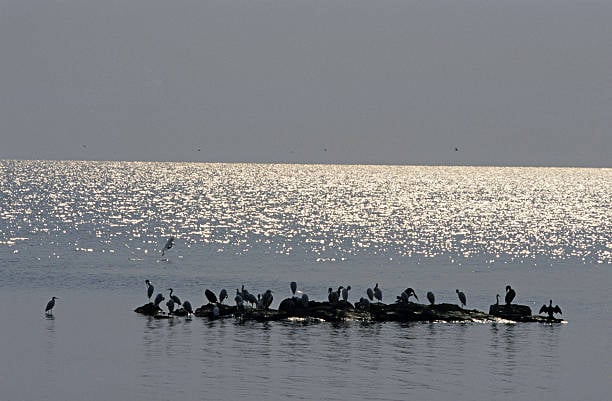
Rubondo Island National Park in Lake Victoria is a unique park in western Tanzania. It covers Rubondo Island (the country’s largest lake island national park) and some surrounding islets.
Declared a national park in 1977, Rubondo is uninhabited by people and famous for conservation experiments: in the 1960s-70s, endangered chimpanzees (and other species) were translocated to Rubondo, making it one of few places where chimps roam free on a freshwater island. Today you can track semi-habituated chimps on guided treks, though Rubondo’s main allure is its birds. Dubbed a “Bird Island”, Rubondo hosts over 300–400 bird species.
Birdwatchers delight in sightings of African fish eagles, malachite kingfishers, large herons, storks and even rare species like great blue turaco. In fact, Rubondo has the highest density of fish eagles in East Africa. Migratory waterbirds congregate in the papyrus swamps and along Lake Victoria’s shores.
Besides birds and chimps, Rubondo has hippos, crocodiles, giraffes, elephants (all introduced decades ago), and primates like colobus and bushbabies.
Visitors can explore the island on boat safaris or walk on forest trails. Canoe and boat tours traverse the lake’s edge and papyrus channels, giving close-up views of water monitors, otters and abundant birdlife.
Anglers can try catch-and-release Nile perch fishing – Rubondo is known for trophy-sized perch in its cool waters. The park also has historical sites: remnants of early 20th-century plantations and the German missionary church are accessible on guided tours.
Overall, Rubondo’s isolation gives it an Eden-like quality. It’s a forgotten Eden where birdlife and forest reign supreme, providing an intimate experience far from the crowds.
Mahale Mountains National Park: Remote Chimp Sanctuary
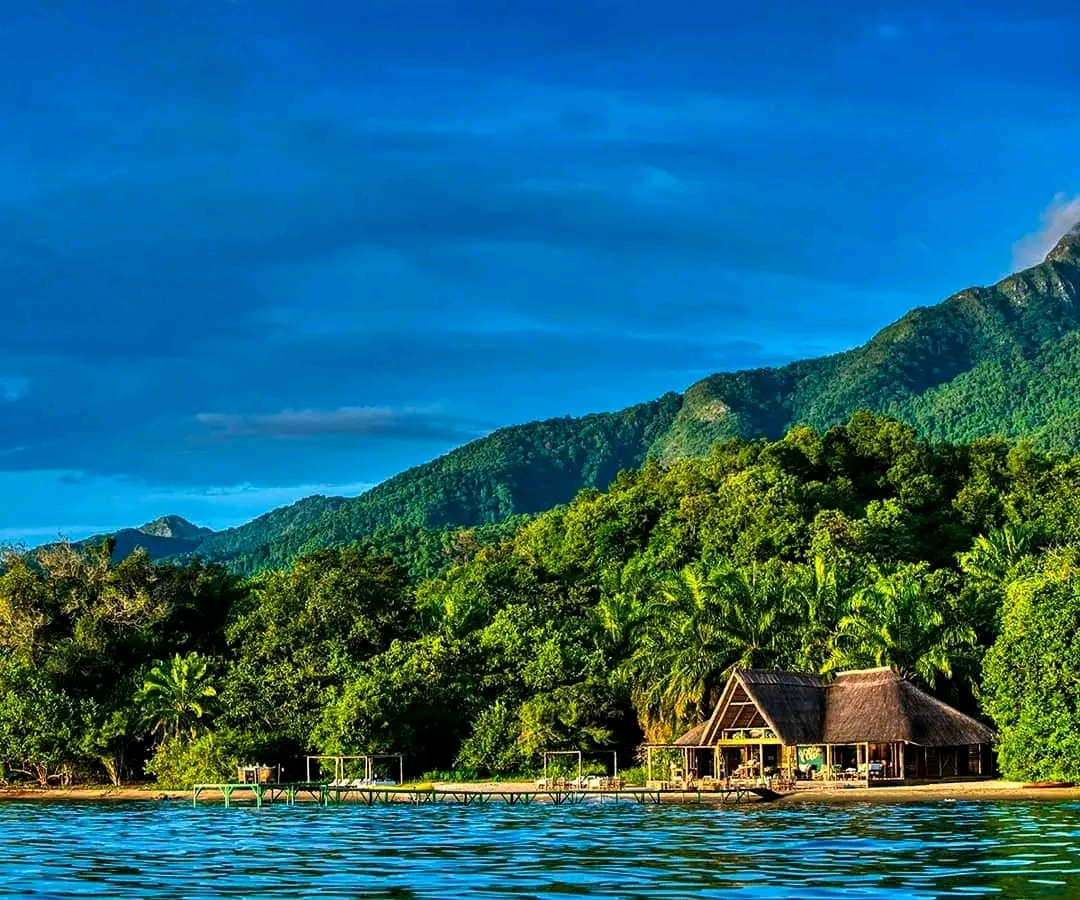
Mahale Mountains National Park (1,650 km²) lies deep in western Tanzania along Lake Tanganyika’s shore. It is one of the most remote parks in Africa – accessible only by boat or charter flight – which has helped preserve its pristine wilderness.
The park protects the Mahale mountain range’s forested slopes rising directly out of Africa’s longest freshwater lake. Jungle-clad peaks give way to white-sand beaches on the lake shore. This isolation has made Mahale a world-class primate sanctuary: it harbors the largest known population of eastern chimpanzees on Earth.
Chimpanzee research has flourished here (Kyoto University scientists have studied Mahale chimps since 1965). The famous Tai (or M-group) troop of around 60 habituated chimps can often be observed on treks, giving visitors rare up-close encounters. It’s also one of the few places where lions and chimps share habitat.
Aside from chimps, Mahale’s forests contain rare primates (e.g. red colobus, Udzungwa red colobus, blue monkeys), as well as elephants, leopards, giraffes, and even African wild dogs.
The scenery is breathtaking – steep mountains plunge into the blue lake, with waterfalls and rivers on the forested slopes. Visitors say Mahale feels like “stepping into a chapter of natural history.” After trekking primates, one can relax on the empty beaches of Lake Tanganyika, framed by palm trees.
The lake itself is extraordinarily beautiful and clear. Mahale’s beaches – some of the few in Africa fronted by a tropical rainforest – are perfect for swimming or snorkeling in freshwater.
The park truly offers a one-two punch: chimpanzee encounters deep in the jungle, followed by tranquility on the sandy lakeshore. Its motto could be ‘untouched’ – you might literally have the campsite to yourself at night, listening to hippos call from the distance.
Summary
Tanzania’s national parks offer an unparalleled array of wildlife and adventure opportunities. In the North, iconic parks like Serengeti (Great Migration) and Ngorongoro (crater ecosystem) showcase the classic savannah safari experience.
Tarangire and Manyara add quirky wildlife spectacles (tree-climbing lions, flamingo lakes) and accessible day trips. Further afield, Arusha National Park provides mountain and canoeing experiences, including hikes up Mt. Meru.
In the South and West, parks like Ruaha and Mikumi reveal Tanzania’s quieter wild side – vast, game-rich landscapes where lions and elephants roam in relative solitude. The remote western parks (Gombe, Mahale, Rubondo) highlight Tanzania’s biodiversity with chimpanzee trekking and world-class birding.

As you plan your adventure, consider the seasonality too – for example, June–October (dry season) is prime time in the Serengeti and Ruaha for river crossings and big-cat sightings. In Mahale and Gombe, dry season also offers easier chimp trekking. Rainy seasons bring lush scenery and fewer crowds.
No matter when you go, each park has its own unique charm: a sunrise balloon over Serengeti’s plains, a Maasai village visit by Ngorongoro’s rim, a canoe ride among flamingos, or a sunset on Mahale’s beach.
Tanzania’s parks – managed by Tanzania National Parks Authority (TANAPA) – represent some of Africa’s last great wild places. From the “big five” to tiny endemic primates and dazzling birds, these protected areas invite every nature lover into a world of awe and wonder.
Frequently Asked Questions
When is the best time to visit Serengeti National Park for the Great Migration?
The prime period is the dry season (late June through October) when the migration herds are concentrated and river crossings are most spectacular. During these months animals gather at waterholes and you have a high chance of witnessing wildebeest and zebra crossing crocodile-infested rivers. (January–February in the southern Serengeti is the calving season, also excellent for predator action.)
What makes Ngorongoro Conservation Area unique?
Ngorongoro is a UNESCO World Heritage site and home to the gigantic Ngorongoro Crater – the world’s largest intact volcanic caldera. Its floor hosts roughly 25,000 large animals, including black rhino, hippos and Africa’s highest predator density. What’s truly special is the coexistence of wildlife with semi-nomadic Maasai herders practicing sustainable grazing. In other words, people and wildlife share this spectacular landscape, making Ngorongoro both an ecological and cultural wonder.
Are there any unique wildlife behaviors to observe in Tarangire National Park?
Absolutely! Tarangire is one of the only places in Africa where you can regularly see lions climbing into trees to rest – a behavior likely adopted to escape biting flies and catch a breeze. The park’s other unique feature is the Tarangire River itself: during the dry season it becomes the crucial water source for all wildlife in the area, concentrating elephants, buffalo and countless birds along its banks.
How can I experience the wildlife in Nyerere National Park?
In Nyerere (Selous), you can go on traditional game drives through the open bush, but one of the most rewarding ways is by boat along the Rufiji River. Boat safaris on Rufiji give you a front-row view of hippos wallowing, crocodiles basking, and waterbirds like fish eagles and kingfishers. It’s truly different from driving and allows you to visit riverine islands and oxbow lakes deep in the park – perfect for seeing wildlife up close in a peaceful, floating safari.
What cultural experiences are available near Gombe Stream National Park?
Near Gombe, travelers often visit the lakeside towns along Lake Tanganyika to connect with local communities. You can take a traditional fishing trip on the lake or explore vibrant craft markets in places like Kigoma and Ujijij. There are also boat-building cooperatives and opportunities to enjoy local music and dance. Engaging with these lakeshore villages (known for the historic meeting of explorers Livingstone and Stanley) adds a rich cultural dimension to the chimps’ forest.