)
Is It Safe to Travel to Tanzania in 2025?


As you dream of the vast plains of the Serengeti, the majestic peak of Kilimanjaro, or the pristine beaches of Zanzibar, a crucial and responsible question often comes to mind: Is it safe to travel to Tanzania in 2025?
This is a completely valid concern for any international traveler, and understanding the current safety landscape is key to planning a worry-free and enjoyable trip.
Tanzania is widely regarded as one of Africa's safest and most welcoming destinations for tourists. Millions visit each year to experience its unparalleled wildlife, rich culture, and breathtaking natural beauty without incident. However, like any country in the world, it's essential to be informed, exercise common sense, and take appropriate precautions.
This comprehensive guide will provide you with the latest safety insights for 2025, a regional breakdown, essential health information, smart travel tips, and details on how we prioritize your safety every step of the way.
General Safety Situation in 2025
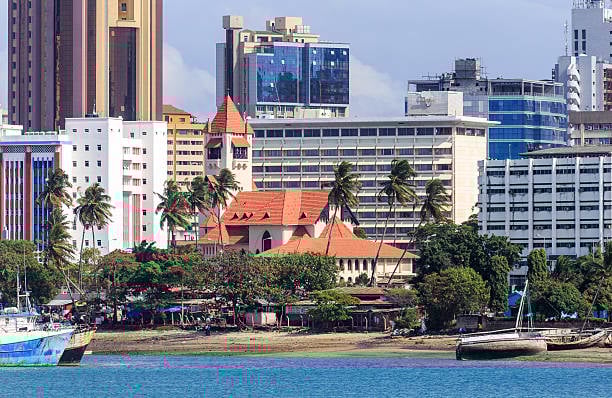
Tanzania, a politically stable East African nation, has a long-standing reputation for being a secure destination for tourists. The government places a high priority on the safety and security of visitors, recognizing the vital role tourism plays in its economy. In 2025, this commitment remains steadfast.
Political Stability: Tanzania has a stable multi-party democratic system. While political discourse exists, it generally does not impact tourist areas or travelers. Major political events are usually localized and do not pose a direct threat to visitors.
Crime Levels: Overall, violent crime against tourists is rare. Most incidents are opportunistic petty crimes, such as pickpocketing or bag snatching, particularly in crowded urban areas or transport hubs. These types of crimes are common in major cities worldwide and can largely be avoided with vigilance and smart safety practices. Organized crime is not typically aimed at tourists.
Terrorism Threat: While no country is entirely immune from global threats, the risk of terrorism in Tanzania remains relatively low. Security measures are in place at airports, major attractions, and borders. Travelers should always be aware of their surroundings, but there are no specific or credible threats targeting tourist areas in 2025.
Local Hospitality: Tanzanians are renowned for their warm hospitality and friendly nature, especially towards visitors. The concept of "Hakuna Matata" (no worries) truly embodies the local spirit. You'll often find locals eager to help, share their culture, and make you feel welcome.
COVID-19 and Health Security: While the global pandemic situation has evolved significantly, health protocols remain important. Tanzania has managed the pandemic well, and in 2025, general health safety measures will align with international standards. Always check the latest entry requirements regarding vaccinations or testing closer to your travel date, though currently, these are largely relaxed.
Regional Breakdown (Zanzibar, Arusha, Serengeti, etc.)
Safety can vary slightly by region, primarily due to population density and the nature of activities. Understanding these nuances helps you stay secure.
Zanzibar
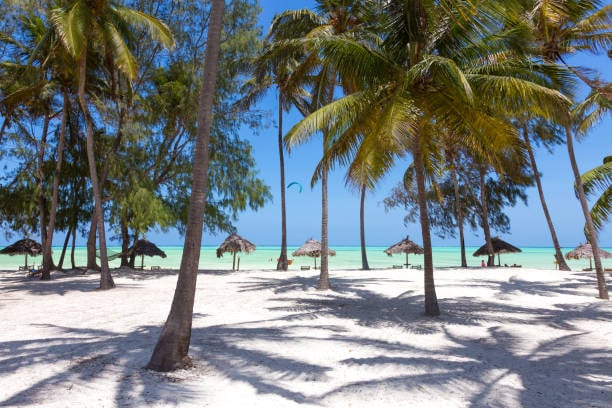
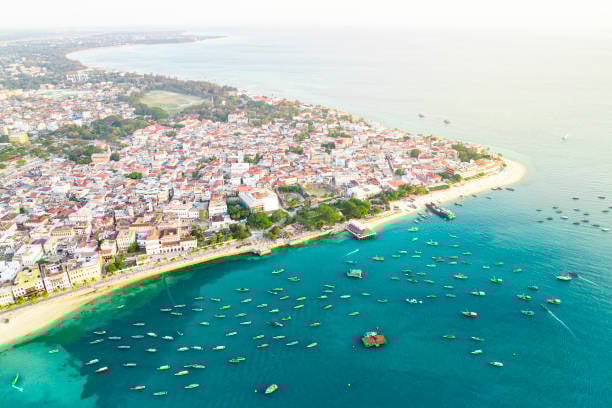
General Safety: Zanzibar is generally very safe for tourists. The island relies heavily on tourism, and locals are keen to ensure visitors have a positive experience. Stone Town, while enchanting, is the area where petty crime is most likely to occur.
Stone Town: Be vigilant, especially in crowded markets and narrow alleys. Keep valuables out of sight, avoid flashy jewelry, and be aware of your surroundings. Some persistent hawkers can be a nuisance but are generally harmless.
Beaches & Resorts: Resorts are typically very secure, often with their own security personnel. On public beaches, politely decline unsolicited offers for tours or goods. Walking alone on secluded beaches after dark is not advisable.
Solo Travel: Solo female travelers should feel generally safe, but common sense precautions apply – avoid walking alone at night, especially in dimly lit areas, and dress modestly in local villages and Stone Town out of respect for the predominantly Muslim culture.
Water Activities: Only use reputable tour operators for snorkeling, diving, or boat trips. Ensure equipment is well-maintained and guides are certified.
Arusha & Moshi (Kilimanjaro Region)
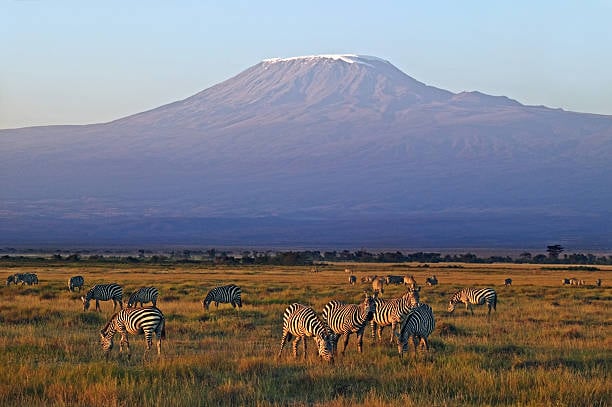
General Safety: Arusha and Moshi are the main hubs for safari and Kilimanjaro treks. They are bustling towns and, like any urban area, require a degree of caution.
Petty Crime: Pickpocketing and bag snatching can occur in busy markets, bus stations, and sometimes near ATMs. Avoid walking with large amounts of cash or overtly valuable items.
Nighttime: Taxis are readily available; use reputable taxi services arranged by your hotel or tour operator, especially at night. Avoid walking alone after dark in less-frequented areas.
Begging: You might encounter street children or beggars. While it's natural to feel sympathetic, direct handouts can sometimes encourage more begging. If you wish to help, consider donating to local charities or schools.
Taxis/Bajajis: Always agree on a fare before starting your journey. For crucial movements like airport transfers, we always pre-arrange trusted private drivers for your safety and comfort.
Safari Parks (Serengeti, Ngorongoro, Tarangire, Lake Manyara, Selous, Ruaha)
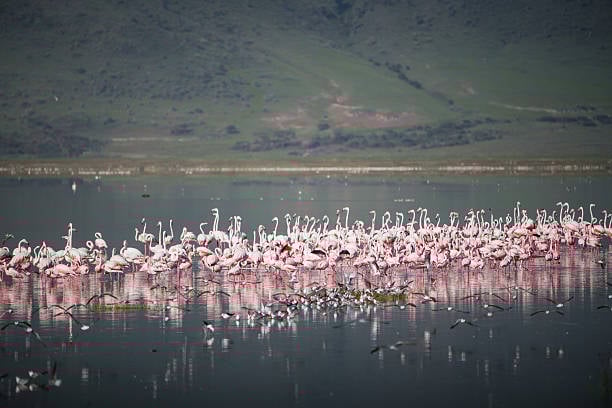
General Safety: Safari parks are incredibly safe environments for tourists, as long as you adhere strictly to park rules and your guide's instructions.
Wildlife: The primary "danger" in safari areas comes from wild animals. Always stay inside your safari vehicle unless specifically instructed by your guide that it's safe to disembark (e.g., at designated picnic spots, certain walking safaris). Never try to approach or feed animals. Your professional safari guide is highly trained in animal behavior and will prioritize your safety.
Camps/Lodges: Reputable safari camps and lodges have excellent security measures in place. Many unfenced camps have Maasai guards or other security personnel who will escort you to your tent after dark. Always follow their advice regarding moving around the camp.
Robbery: Incidents of robbery within the national parks or at safari lodges are extremely rare. The focus here is on enjoying the wildlife, not worrying about crime.
Dar es Salaam
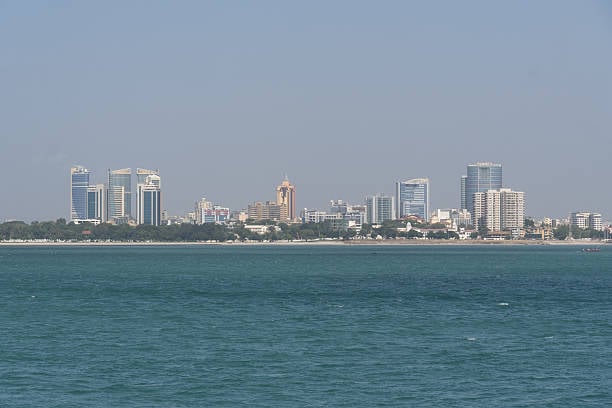
General Safety: As Tanzania's largest city and commercial hub, Dar es Salaam has higher crime rates than other tourist areas.
Caution is Key: Exercise extra vigilance. Avoid walking alone at night, especially in poorly lit areas. Use pre-booked taxis or ride-sharing apps (like Uber or Bolt, if available and recommended by locals) for transport.
Petty Crime: Be very cautious of pickpockets and bag snatchers in crowded areas, markets, and ferry terminals. Keep valuables secure and out of sight.
Traffic: Traffic can be chaotic. Be careful when crossing roads and use reputable drivers.
Health & Vaccination Info
Prioritizing your health is a critical aspect of safe travel to Tanzania. Here's what you need to know for 2025:
Vaccinations
Consult your doctor or a travel clinic at least 6-8 weeks before your trip. Routine vaccinations should be up to date (MMR, Diphtheria-Tetanus-Pertussis, Varicella, Polio, annual flu shot). Specific recommendations for Tanzania usually include:
Yellow Fever: A Yellow Fever vaccination certificate is required if you are arriving from a country with a risk of Yellow Fever transmission. Even if not "required" for your direct entry, it is often recommended for your own health, especially if you plan to travel to rural areas or visit other African countries. Keep your certificate handy.
Hepatitis A & B: Recommended for most travelers.
Typhoid: Recommended, especially if you plan to eat outside of major hotels/resorts.
Rabies: Recommended for those who will be working with animals, or undertaking extended adventurous travel to remote areas where medical care is limited.
Meningitis: May be recommended depending on the season and specific travel plans.
Malaria Prevention

Malaria is present in most parts of Tanzania, including Zanzibar. The main exceptions are high-altitude areas like the slopes of Mount Kilimanjaro (above 1,800m).
Antimalarial Medication: Most doctors will recommend antimalarial tablets (e.g., Malarone, Lariam, Doxycycline). Discuss options with your doctor to find the best fit for you.
Mosquito Bite Prevention: This is crucial.
Use insect repellent containing DEET (30-50%), picaridin, or oil of lemon eucalyptus, especially at dawn and dusk.
Wear long sleeves and trousers during peak mosquito activity.
Sleep under mosquito nets (most safari lodges and hotels provide them, often treated).
Ensure your accommodation has well-screened windows and doors.
Other Health Considerations
Water Safety: Only drink bottled water or water that has been boiled or filtered. Avoid tap water, even for brushing teeth. Be cautious with ice in drinks.
Food Safety: Stick to reputable restaurants and avoid street food unless it's freshly cooked and served hot. Wash fruits you peel yourself.
Sun Protection: The equatorial sun is intense. Use high-SPF sunscreen, wear a wide-brimmed hat, and sunglasses. Stay hydrated.
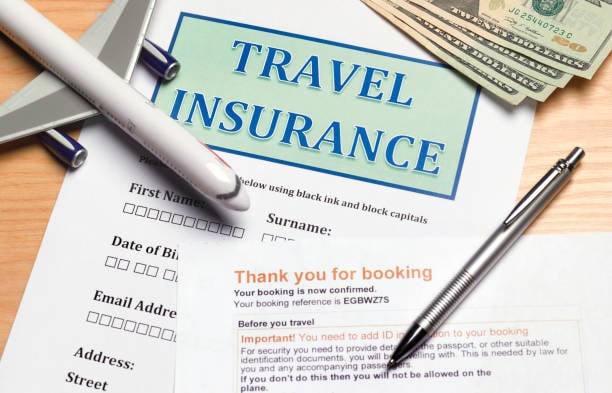
Travel Insurance: This is non-negotiable. Ensure your policy covers medical emergencies, emergency evacuation (especially important for safari or Kilimanjaro), trip cancellation, and lost luggage.
First-Aid Kit: Carry a basic kit with pain relievers, bandages, antiseptic wipes, allergy medication, and any personal prescription drugs (with a doctor's note).
For up-to-date and specific health and vaccine information, always refer to your national health advisory bodies (e.g., CDC in the US, NHS in the UK, WHO) and consult your personal physician. We can also provide health/vaccine info resources as part of your trip planning.
Smart Safety Tips for Travelers
Beyond specific regional advice, these general tips will enhance your safety throughout your Tanzanian journey:
Travel Insurance is Essential: We cannot stress this enough. It’s your safety net for unexpected medical issues, emergencies, or trip disruptions. Ensure it covers adventure activities if applicable.
Respect Local Culture & Customs: Tanzania is a diverse nation. Dress modestly, particularly in Stone Town and rural areas (cover shoulders and knees). Always ask permission before taking photos of people. Learn a few basic Swahili phrases (Jambo! Asante sana!) – it goes a long way.
Be Aware of Your Surroundings: This is fundamental advice for travel anywhere. Pay attention to people around you, avoid distractions (like constantly looking at your phone), and trust your instincts.
Secure Your Valuables: Use hotel safes for passports, extra cash, and important documents. When out, carry only what you need. A money belt worn under your clothes is a good option for cash and cards. Avoid flashy jewelry or expensive gadgets that attract attention.
Use Reputable Tour Operators and Guides: This is paramount, especially for safaris and treks. Professional operators prioritize your safety, use well-maintained vehicles, and employ experienced, licensed guides. Our commitment to your safety is unwavering, and we work only with the best.
Transportation Smarts:
For airport transfers and inter-city travel, use pre-arranged transport or taxis recommended by your hotel/operator.
Avoid unmarked taxis.
When using taxis, agree on the fare beforehand.
If using local buses (dala-dalas), be extra vigilant with your belongings.
Don't Walk Alone at Night in Cities: Especially in Dar es Salaam, Arusha, or Stone Town. If you need to go out, take a trusted taxi.
Be Wary of Scams: Be cautious of overly friendly strangers offering unsolicited help or extremely good deals. Common scams can involve fake gem sales, "helpful" people leading you to inflated prices, or individuals claiming to be officials.
Keep Important Documents Secure & Backed Up: Carry photocopies of your passport and visa, and keep digital copies on your phone/email. Leave originals in your hotel safe unless required.
Stay Connected: Let family or friends know your itinerary. Ensure your phone works internationally or purchase a local SIM card upon arrival.
How We Ensure a Safe Trip
Your safety is our absolute top priority. We understand that a truly memorable trip is a safe and secure one. Here’s how we go above and beyond to ensure your peace of mind:
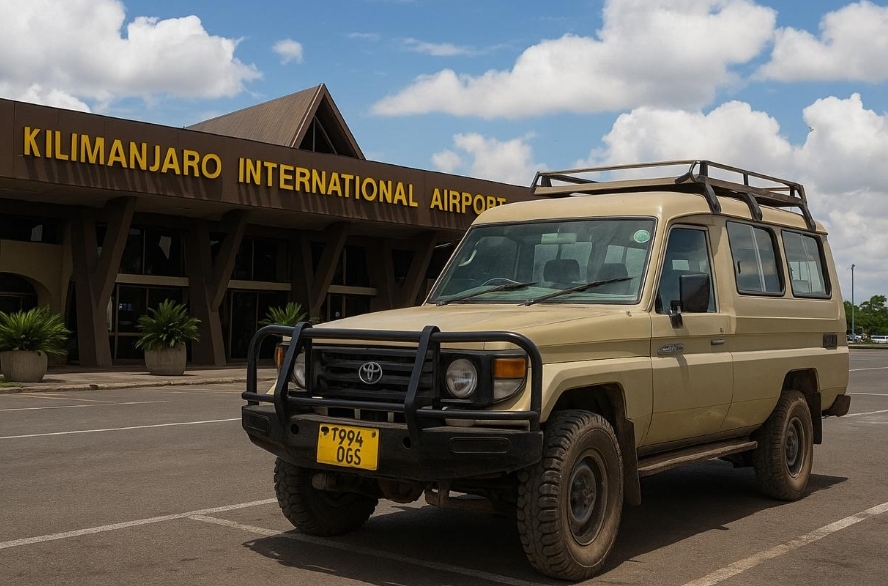
Expert Guides & Drivers: All our safari guides and drivers are highly experienced, certified, and extensively trained in defensive driving, first aid, and wildlife behavior. They are intimately familiar with the areas you'll visit.
Well-Maintained Vehicles: Our safari vehicles are regularly serviced, equipped with safety features, and always carry necessary communication equipment.
Carefully Selected Partners: We only partner with lodges, camps, and local service providers who meet our rigorous safety and quality standards.
24/7 Support: From the moment you land until your departure, you have access to our local team for any assistance or emergencies.
Comprehensive Briefings: Before your safari or any major activity, you'll receive a detailed briefing on what to expect and specific safety protocols.
Seamless Logistics: We meticulously plan all your transfers, ensuring you travel safely and efficiently between destinations. No more worrying about finding a reliable taxi at the airport!
Commitment to Responsible Tourism: We adhere to ethical tourism practices that benefit local communities and ensure a respectful interaction with wildlife and the environment. Read more about our about us.
Summary
In conclusion, Tanzania is a very safe and welcoming destination for tourists in 2025. By taking sensible precautions, being aware of your surroundings, and choosing a reputable tour operator, you can confidently plan an incredible adventure. The vast majority of visitors experience no safety issues and leave with unforgettable memories of its stunning landscapes, incredible wildlife, and warm, friendly people.
Focus on the excitement of your upcoming journey, knowing that with a little preparation and our dedicated support, your Tanzanian experience will be nothing short of extraordinary.
Ready to explore the wonders of Tanzania with complete peace of mind?
Don't let safety concerns hold you back from the adventure of a lifetime. Explore our travel tips and contact us today to plan your safe, unforgettable journey to Tanzania!