)
The Mweka Tunnel - Underground Refuge Beneath Kilimanjaro

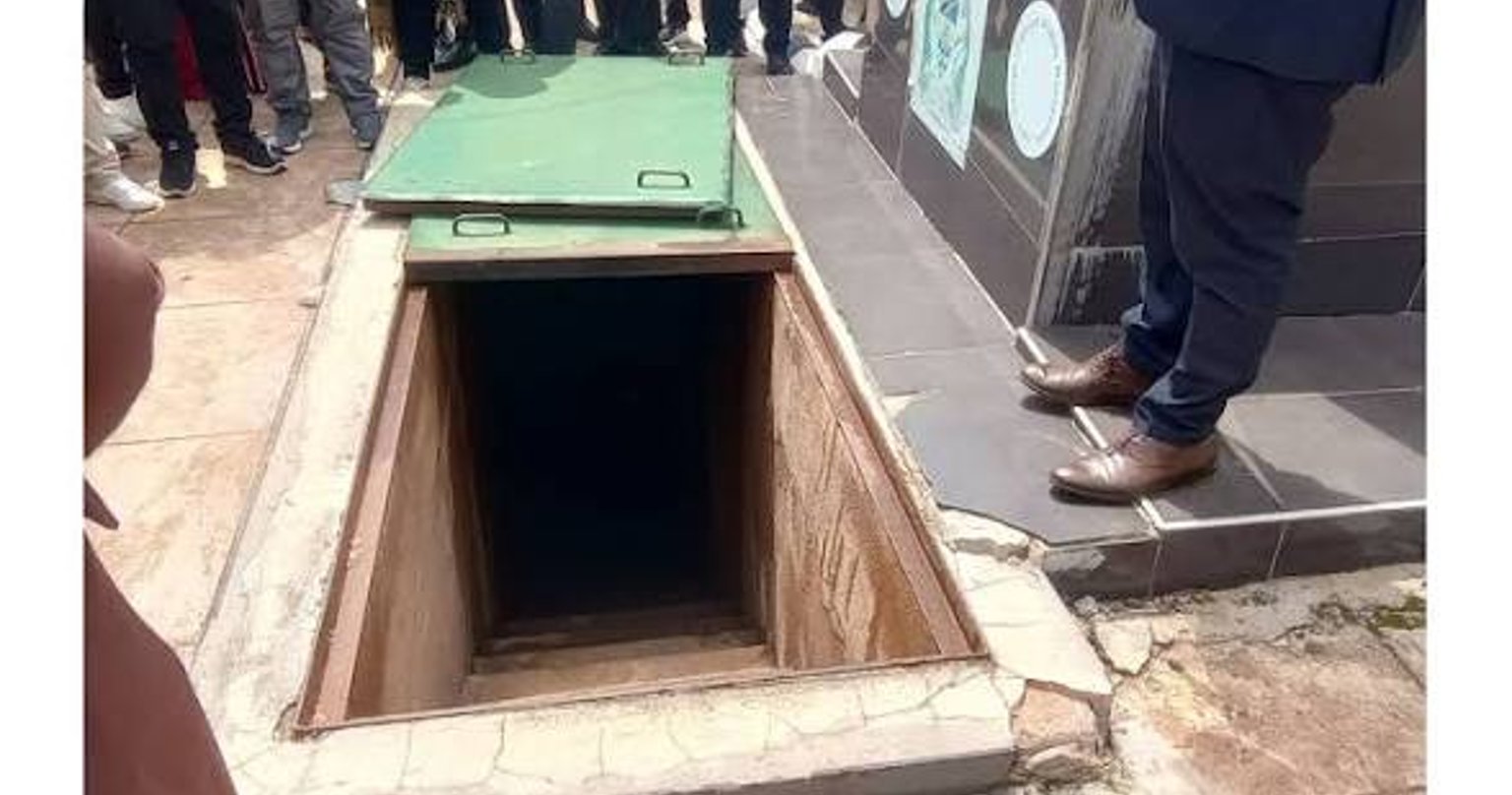
700m. Hand-carved passage
1918 Built by Chagga people
15–17°C Constant temperature
$13–22 Entry cost (USD)
1.5–2 hrs Tour duration
Mar 14 Official registration 2026
In this article:
Beneath the Mountain: The Tunnel the Chagga Never Forgot
The first thing you notice is the cold. Not the cold of altitude or open sky, but something older - the still, mineral cool of rock that has held its temperature for over a century, indifferent to everything that has happened above it.
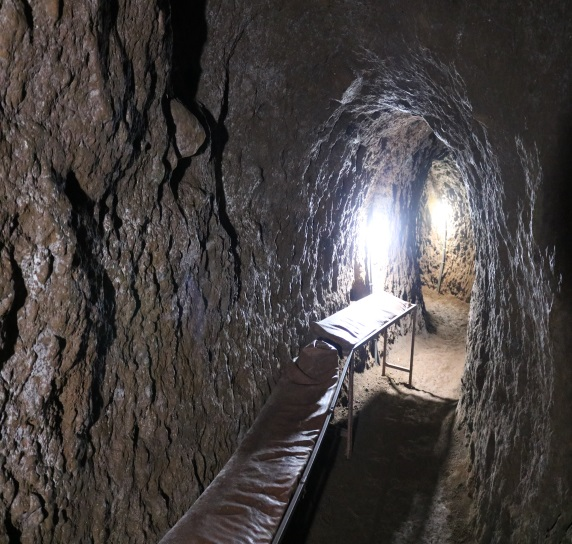
You are on the lower slopes of Mount Kilimanjaro, inside a 700-meter passage carved entirely by hand in 1918, and someone's grandmother was born in here.
The tunnel was not a hiding place - it was organized, deliberate, with sleeping chambers, a kitchen, livestock spaces, food storage, and areas for childbirth
People maintained something like ordinary life down here, in the dark, waiting for safety.
Why This Tunnel Exists
To understand this tunnel, you need to understand the Kilimanjaro region in the late 1800s and early 1900s. The Chagga, skilled farmers who cultivated the fertile volcanic slopes, faced recurring cattle raids and territorial conflicts with the pastoral Maasai from the plains below. These were not brief skirmishes - conflicts could last months.
The tunnel solution was revolutionary: instead of fighting or fleeing, entire communities could disappear underground. When Maasai raiding parties arrived at Chagga villages, they found them empty. The livestock, food stores, women and children - all gone, without a visible trail.
Using basic hand tools, Chagga workers carved through 700 meters of volcanic rock. The engineering required intimate knowledge of geology to avoid collapse, understanding of ventilation to prevent suffocation, and sophisticated social planning to organize hundreds of people in confined darkness. The tunnel was completed in 1918, near the end of this conflict period.
This tunnel is not a discovery, it was never lost. The Chagga community has always known its location, remembered the way families remember things. What has changed is the invitation: Tanzania is opening a door it has always owned.
Why Now: Tanzania Opens a Door It Has Always Owned
On March 14, 2026, Tanzania's Minister for Natural Resources and Tourism, Dr. Ashatu Kijaji, formally registered the Mweka Tunnel as an official national tourist attraction - the first underground cultural site to receive this designation in Tanzania's history.
This is not a renovation of a forgotten ruin. The tunnel was always there, always known, always remembered by the Chagga community. What changed on March 14 is that Tanzania stopped treating it as a local secret and started treating it as national heritage - and backed that decision with real money.
TSh 120M Government investment for safety, lighting & pathways
17% Tourism's share of Tanzania's national GDP — and growing
New jobs Guides, site managers & hospitality roles for Moshi communities
The registration is part of a deliberate national strategy under President Samia Suluhu Hassan's administration: reduce dependence on the northern safari circuit and give visitors - especially those already coming for Kilimanjaro - a reason to stay longer and explore deeper. Parliamentary Standing Committee chairperson Timotheo Mnzava specifically oversaw safety certification before the site opened to international visitors.
This registration elevates local memory to national heritage status - and signals that Tanzania's story goes far deeper than its wildlife.
The conversion to a modern tourist site requires rigorous safety standards. The approved budget addresses ventilation, reinforced lighting, and secure pathways.
The First of Many?
Experts at Mweka College of African Wildlife Management, located directly adjacent to the tunnel, have publicly praised the registration, noting it gives international visitors a richer understanding of Tanzanian culture beyond wildlife. The government has signalled that the success of this site will determine whether other historical underground networks across Tanzania receive the same status. The Mweka Tunnel may be the first chapter of an entirely new category of Tanzanian tourism.
Inside the Tunnel: What You Will Experience
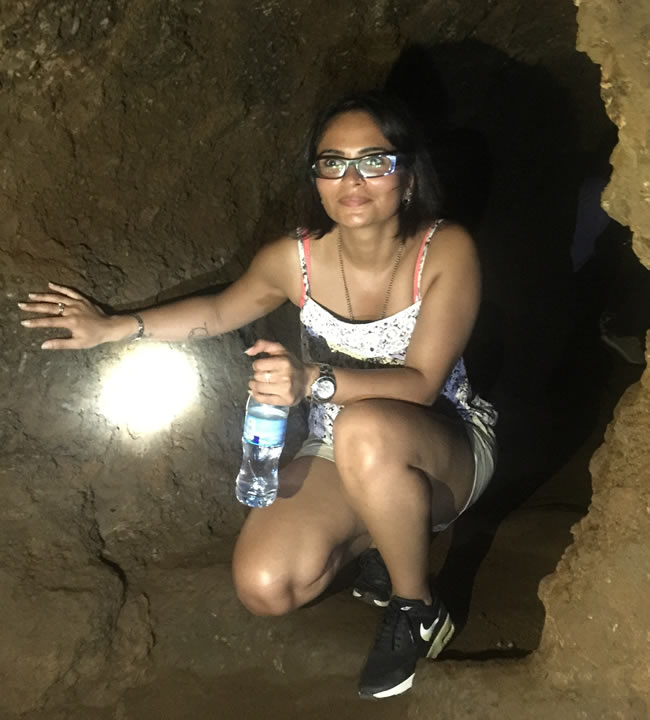
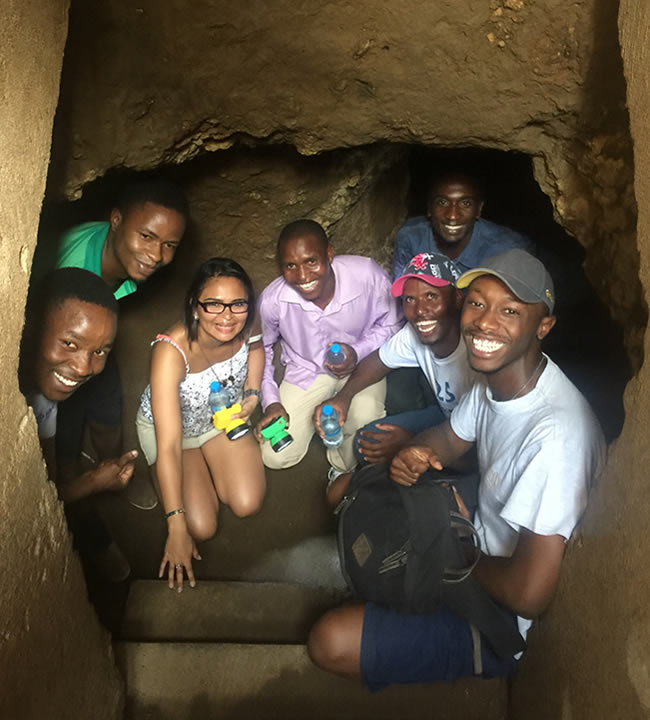
Walk through the tunnel and you feel the intention in the walls. The rock has been worked, not just broken. Your hand finds the surface without you deciding to reach for it.
The experience of being inside is harder to describe than you would expect, because so much of it is absence. No wind. No birdsong. The sounds of the Kilimanjaro slopes simply stop. What replaces them is your own breathing and the occasional drip of water somewhere deeper in the rock.
The chambers that open along the route break the passage in ways that feel considered. A sleeping area: longer than you expect, low-ceilinged, with a particular kind of quiet that feels built rather than accidental. A cooking space, where the walls are darkened in a way that has nothing to do with electric lighting. Most visitors slow down in these rooms.
Temperature remains constant at 15–17 degrees Celsius regardless of the weather above. The newly installed lighting is deliberately subtle, illuminating the path without destroying the atmosphere. In some sections, guides will dim the lights entirely so you can experience what the original inhabitants did - total darkness, broken only by the glow of oil lamps.
Most people climb Kilimanjaro to conquer something. Visit this tunnel to understand something instead.
Above ground, the contrast is almost jarring. Coffee and banana farms stretch down the hillside, the air smells of damp soil and something flowering, and on clear mornings Kilimanjaro's summit is visible above the canopy. The mountain looks very far away from down here. Inside the tunnel, it felt very close.
How to Visit
Location & Logistics
Mweka College, 15km south of Moshi · 25–30 min by taxi (TSh20,000–30,000) or dala-dala (TSh1,500–2,000) · Book through Moshi tour operators or your hotel — or directly through us.
What the Tour Includes
Orientation briefing on Chagga history (15–20 min)
Guided walk through 700m passage with chamber stops
Stories from guides — often descendants of the builders
Optional traditional coffee ceremony
Small museum with artifacts and photos
What to Bring
Required
Closed-toe shoes
Light jacket (15–17°C inside)
Flashlight backup
Long pants
Recommended
Camera (flash allowed)
Water bottle
Small backpack
Leave Behind
Sunscreen / hat
Large bags
Food (not permitted inside)
Best Time to Visit
Dry Season (Jun–Oct, Jan–Feb) Best road conditions, clear Kilimanjaro views. Morning tours (8–10 AM) avoid midday heat above ground.
Rainy Season (Mar–May, Nov–Dec): Fewer tourists, more intimate tours. Tunnel temperature is unaffected. Roads can be muddy.
Best Days: Tuesday–Saturday. Sundays tend to be busier with local visitors.
Combining with Other Attractions
Sample Half-Day Itinerary
Half-Day: Mweka Tunnel from Moshi
7:30 AM - Depart Moshi
8:00 AM - Arrive Mweka — orientation briefing
8:15 AM - Tunnel tour (60 min)
9:15 AM - Museum visit
9:45 AM - Optional traditional coffee ceremony
10:30 AM - Return to Moshi
Frequently Asked
Questions & Answers
Both, in a way. The tunnel is over 100 years old and the Chagga community always knew it - it was never lost. What changed on March 14, 2026 is that the Tanzanian government officially registered it as a national tourist attraction, allocated TSh 120 million for safety upgrades and lighting, and opened it to international visitors for the first time. You're visiting in its first year as a formal tourist site.
Yes - that's exactly what we do. We're based in Tanzania and cover Kilimanjaro, Moshi, and Zanzibar. We handle transport from your hotel, a local guide, and the full experience. WhatsApp us or send an email and we'll get back to you quickly with a quote.
Yes. The TSh 120 million government investment specifically covered structural reinforcement, lighting, ventilation, and emergency exits. Parliamentary Standing Committee chairperson Timotheo Mnzava personally oversaw safety certification. The tunnel has stood for over 100 years and now meets international visitor standards.
Yes for ages 6+. The tunnel is spacious and well-lit. Children under 6 may find it frightening or uninteresting. No strollers can enter.
The main passage is 1.8–2m wide with 2m+ ceilings. Some side chambers are tighter. If you have concerns, let your guide know in advance - they can adjust the route accordingly.
Low to moderate. The terrain is mostly flat but uneven underfoot. Total walking is approximately 1.4km. Anyone who can comfortably walk a mile should be fine.
Photos yes - flash is allowed and necessary in the darker sections. Guides are required for safety and site preservation. Many guides are descendants of the people who built the tunnel, which makes their storytelling extraordinary. Recommended tip: TSh10,000–20,000 standard, TSh30,000–50,000 for excellent service.
Visiting with Respect
This tunnel is not a theme park. It is a site of genuine hardship, survival, and resilience. People suffered here. Children grew up in darkness.
Listen more than you photograph. If your guide is Chagga, you are hearing family history.
Do not touch the walls excessively. Respect silence when your guide requests it.
Tip generously: TSh10,000–20,000 standard, TSh30,000–50,000 for excellent service.
Buy crafts from local vendors. The revenue stays within the community.
Remember
The tunnel's power comes from its authenticity. Treat it accordingly.